Ever notice how a warm compress feels almost like a gentle hug on your spine? Heat therapy has been used for centuries to ease muscle tension and help the body relax. Today, it remains one of the safest and simplest home treatments for lower back pain.
Whether you use a heating pad, warm towel, or hot shower, the goal is the same — relax tight muscles, improve circulation, and restore movement. When combined with hydration, gentle movement, and better posture habits, heat therapy can significantly reduce daily discomfort.
Learning how to use heat properly is important. It’s not just about warmth — it’s about using the right timing, temperature, and safety habits to support long-term recovery.
Key Takeaways
- Heat increases circulation and supports healing
- Use 15–20 minute sessions
- Always test temperature before applying
- Works best for stiffness and chronic pain
- Combine with light stretching and posture correction
Understanding Heat Therapy and How It Relieves Lower Back Pain
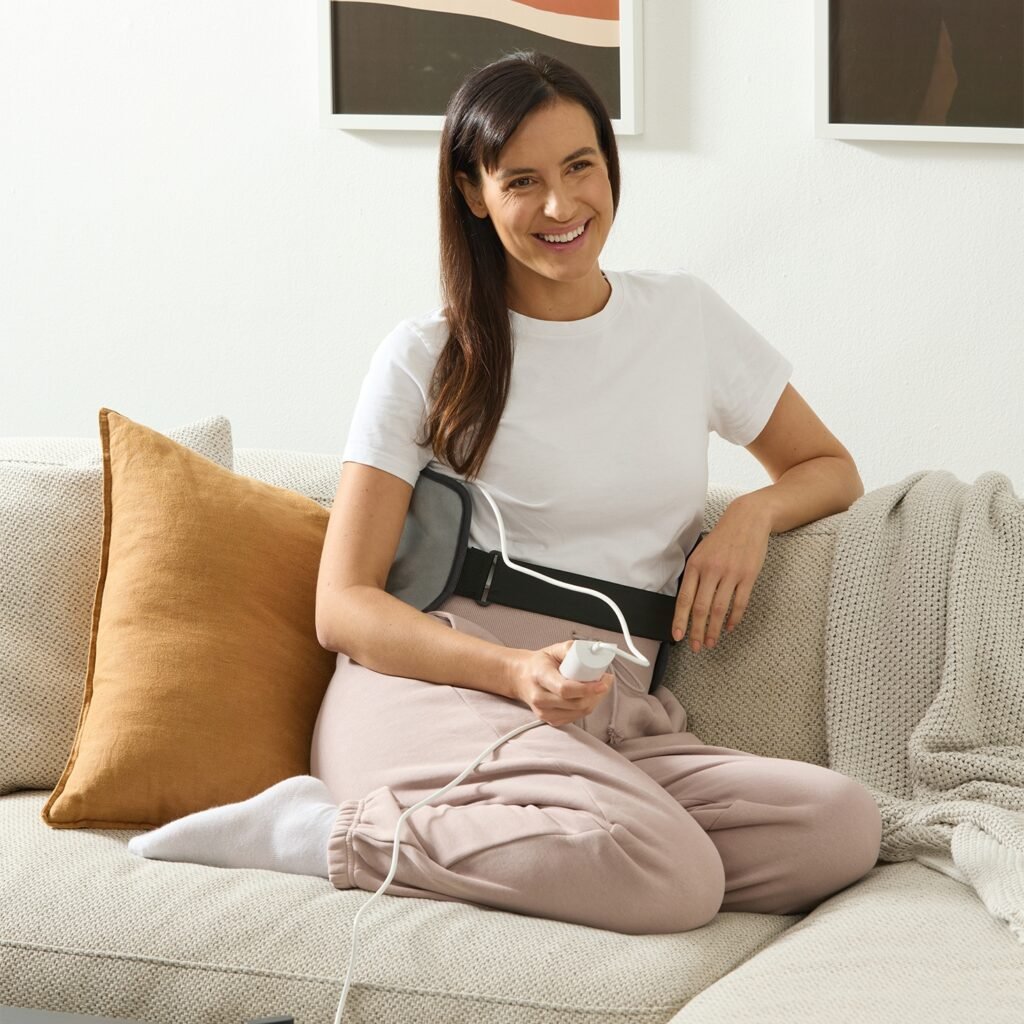
Lower back pain often comes from tight muscles and restricted blood flow. Heat therapy helps by relaxing muscle fibers and increasing circulation.
What Heat Therapy Does to Muscles
Heat expands blood vessels. This allows oxygen and nutrients to reach injured tissue. As circulation improves:
- muscle spasms calm down
- stiffness decreases
- mobility improves
This is why many people feel relief within minutes of applying warmth.
When Heat Therapy Works Best
Heat therapy is ideal for:
- chronic lower back pain
- stiffness after sitting
- muscle tightness
- arthritis discomfort
It is not recommended immediately after an injury. Fresh injuries respond better to cold therapy first.
Heat vs Cold Therapy
Cold reduces swelling.
Heat improves movement.
If your back feels stiff → use heat.
If your back is swollen → use cold first.
Types of Heat Therapy You Can Use at Home
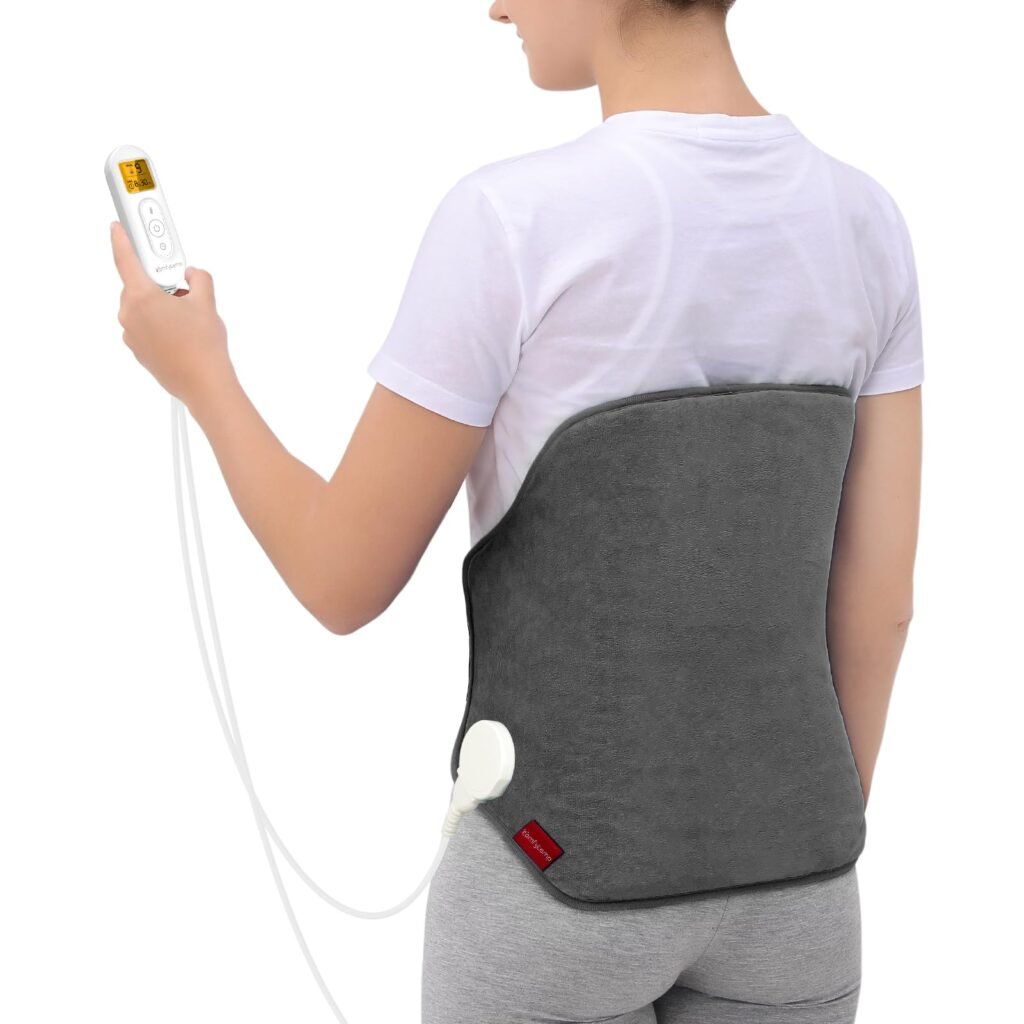
Dry Heat
- Electric heating pads
- Heat wraps
- Heat patches
These are convenient and easy for daily use.
Moist Heat
- Warm damp towels
- Hot water bottles
- Warm baths or showers
Moist heat penetrates deeper into muscle tissue and often works faster.
Correct Temperature, Timing, and Safety Tips
Safe Temperature
Ideal range: 100°F – 104°F (38°C – 40°C)
Always test the heat on your inner forearm first before applying to your back.
How Long to Use Heat
Use heat for 15–20 minutes per session
Repeat 2–3 times per day
Longer sessions do NOT improve healing and may irritate skin.
Best Position
Lie on your back or side and place the heating source directly on the painful area. Relax and breathe slowly while the muscles loosen.
⚠️ Never sleep with a heating pad on.
INTERNAL LINK (VERY IMPORTANT FOR SEO)
After the paragraph below, insert the link exactly:
Heat therapy works even better when you choose the correct device and support your spine properly during recovery.
👉 For a helpful guide on choosing a safe device, read our article on best heating pads for back pain relief at home.
Step-by-Step Heat Application Process
- Clean and dry the skin
- Test heat temperature
- Apply to lower back
- Relax for 15–20 minutes
- Remove and allow skin to cool
You should feel muscles loosen, not skin burning.
Safety Precautions
Stop immediately if you notice:
- redness lasting longer than 30 minutes
- burning sensation
- dizziness
- increased pain
Avoid Heat Therapy If You Have
- numbness in the area
- poor circulation
- open wounds
- severe swelling
- recent injury (first 48 hours)
Pregnant individuals should consult a healthcare professional before use.
Combine Heat Therapy With Movement
Heat therapy works best when paired with:
- gentle stretching
- posture correction
- short walking breaks
- hydration
Movement prevents stiffness from returning.
Conclusion
Heat therapy is one of the safest and most effective home treatments for lower back pain. When used correctly — proper temperature, correct timing, and safe application — it relaxes muscles, improves circulation, and restores mobility.
Small daily habits make the biggest difference. A simple 20-minute session combined with movement and posture improvements can significantly reduce chronic discomfort and improve quality of life.
Medical Disclaimer:
This article is for informational purposes only and does not replace professional medical advice, diagnosis, or treatment. Always consult a qualified healthcare provider before beginning any new pain treatment or therapy.