Ever notice how a little warmth can instantly take the edge off back pain?
That soothing feeling isn’t just comfort—it actually helps your body heal. A heating pad for lower back pain is one of the simplest and most effective ways to relax tight muscles, improve circulation, and reduce stiffness.
People have used heat for centuries—from warm baths to hot compresses—and now we understand why it works so well. Heat therapy increases blood flow, delivers oxygen to sore muscles, and helps your body recover naturally.
When used correctly, it can become part of a daily routine that supports long-term back health.
Key Takeaways
- Heat improves blood circulation and speeds up recovery
- Helps relax tight muscles and reduce stiffness
- Supports natural healing of muscle tissue
- Can reduce inflammation when used consistently
- Safe, non-invasive option for daily pain relief
- Works best when combined with healthy habits
Understanding the Benefits of Heat Therapy for Back Comfort
Heat therapy is one of the easiest ways to manage lower back discomfort. It works quickly, feels good, and doesn’t require medication.
How Heat Affects Muscle Tension
When you apply heat to your lower back, it raises the temperature of your muscles and surrounding tissues. This helps them relax, which can reduce spasms and stiffness.
If your pain comes from sitting too long, poor posture, or muscle strain, heat can make a noticeable difference within minutes.
The Science of Increased Blood Flow
Heat also improves circulation in the affected area. That means more oxygen and nutrients are delivered to your muscles, helping them recover faster.
Better blood flow also helps remove waste buildup in the tissues, which can reduce inflammation and discomfort.
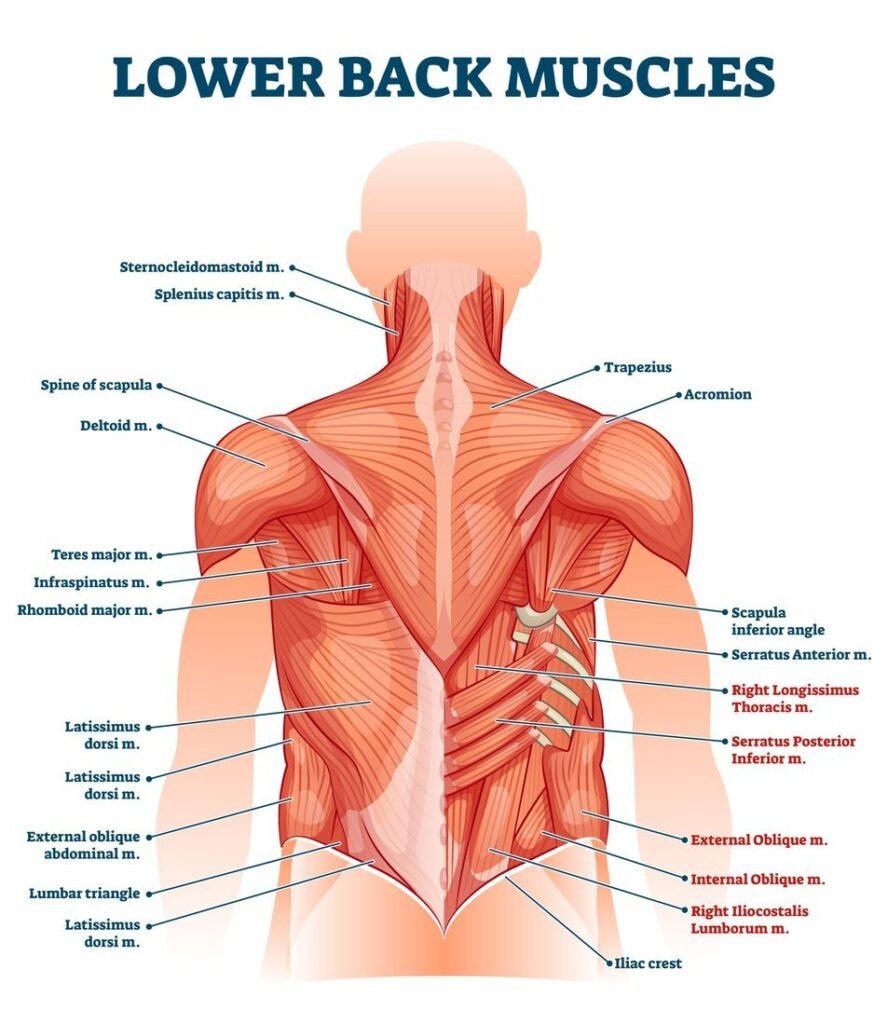
heat therapy applied to lower back to relax muscles and improve circulation
Heating Pad for Lower Back Pain: The Right Way to Use Heat Therapy for Fast Relief
Using a heating pad the right way makes a big difference. It’s not just about turning it on—it’s about using the right temperature, timing, and safety habits.
Selecting the Right Temperature Settings
Start with a low or medium setting and slowly increase it until it feels comfortably warm—not hot.
Too much heat can irritate your skin or cause burns, so avoid high settings unless recommended.
Timing Your Sessions for Maximum Effectiveness
The ideal session is 15 to 20 minutes.
- Shorter sessions may not give full relief
- Longer sessions can overheat your skin
Give your body a break between sessions to cool down.
Safety Precautions and Skin Protection
- Always place a cloth or towel between your skin and the heating pad
- Check your skin before and after use
- Never fall asleep with a heating pad on
- Avoid using on broken or irritated skin
Integrating Daily Habits to Support Back Health
Heat therapy works even better when combined with healthy daily habits.
Ergonomic Adjustments for Your Workspace
If you sit for long periods, your setup matters.
- Keep your monitor at eye level
- Use a chair with lower back support
- Keep your feet flat on the floor
Making these small adjustments can prevent strain and reduce pain over time.
If you spend hours sitting each day, you may also benefit from learning how to sit without lower back pain while working at a desk.
The Role of Hydration in Spinal Disc Health
Your spinal discs are made mostly of water. Staying hydrated helps them stay flexible and absorb shock properly.
Try to drink enough water throughout the day and include hydrating foods like fruits and vegetables.
Simple Stretching Routines for Morning and Night
Gentle stretching keeps your back flexible and reduces stiffness.
- Morning: knee-to-chest stretches, pelvic tilts
- Evening: hamstring stretches, cat-cow movement
Many people combine heat therapy with simple daily exercises that relieve lower back pain naturally for even better results.
Optimizing Sleep and Posture for Long-Term Relief
Your posture and sleep habits play a huge role in how your back feels every day.
Choosing the Best Sleeping Positions
- On your back: Place a pillow under your knees to reduce pressure
- On your side: Use a pillow between your knees to keep your spine aligned
Avoid sleeping on your stomach, as it can strain your spine.
If you’re unsure about your sleep position, check out the best sleeping position for lower back pain to improve spinal alignment overnight.
Maintaining Neutral Spine Alignment Throughout the Day
- Keep your shoulders relaxed and back
- Avoid slouching
- Engage your core when standing or walking
Small posture improvements can prevent long-term pain.
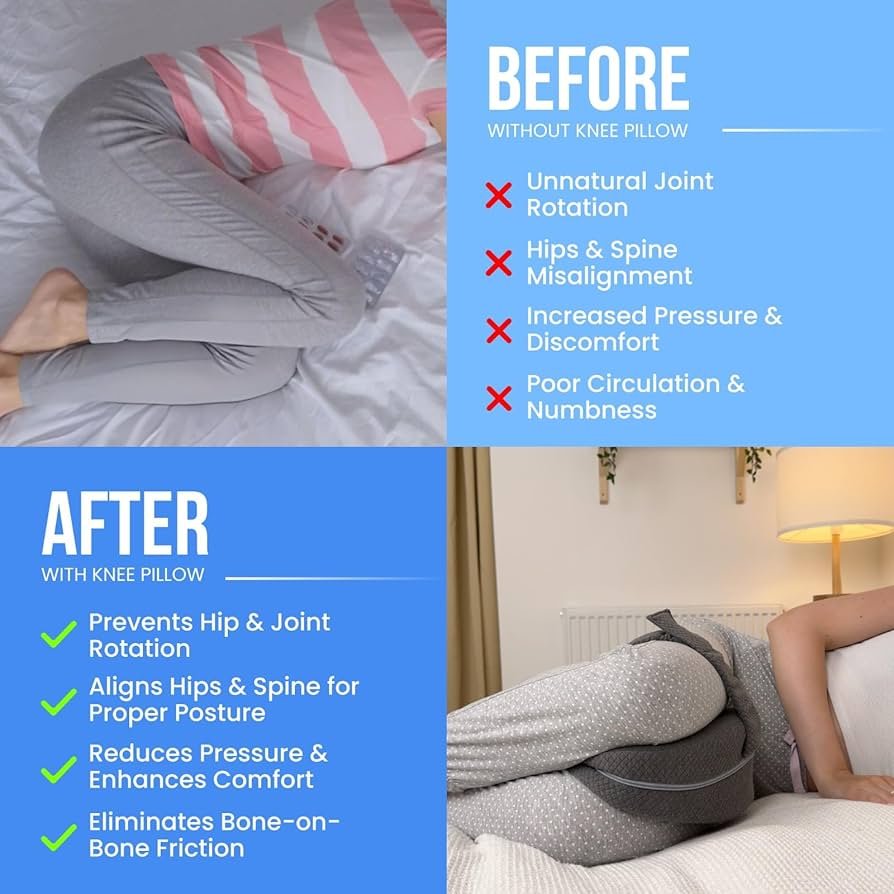
woman sleeping on side with pillow between knees for proper spinal alignment
Movement Strategies to Keep Your Back Supple
Staying active is one of the best things you can do for your back.
Low-Impact Activities to Encourage Circulation
- Walking
- Swimming
- Yoga
These activities improve circulation and keep your muscles flexible without putting stress on your spine.
Listening to Your Body During Physical Tasks
Pay attention to how your body feels.
If something causes pain, stop and adjust. Using proper form and avoiding overexertion helps prevent injury.
Conclusion
A heating pad for lower back pain is one of the easiest and most effective ways to get fast, natural relief. When used correctly, it relaxes muscles, improves circulation, and supports recovery.
But the real results come when you combine heat therapy with good daily habits—like proper posture, stretching, hydration, and movement.
Stick with these simple strategies, and you’ll not only reduce pain—you’ll build a stronger, healthier back over time.
Disclaimer
This content is for informational purposes only and does not constitute medical advice. Always consult a qualified healthcare professional before starting any new treatment, especially if you have an existing medical condition or persistent pain.