Do you wake up with pain and feel tired? Creating a bedtime routine can really help with pain relief and better sleep.
A good bedtime routine tells your body it’s time to sleep. This can lessen pain and make sleep more restful. Studies show sleep is key for health and feeling good.
Adding certain habits to your evening can make your sleep better. This helps with pain relief and deeper sleep. It also makes you healthier overall.
Key Takeaways
- Having a regular sleep schedule improves sleep quality.
- A calming bedtime routine tells your body it’s time to sleep.
- A sleep-friendly environment is essential for deep sleep.
- Certain habits can help reduce pain and discomfort.
- A well-rested body can better handle pain.
The Connection Between Pain and Sleep
Pain and sleep are closely linked. Poor sleep can make pain worse, and pain can also disrupt sleep. This shows that fixing one can help the other.
How Pain Disrupts Sleep Cycles
Pain can mess up normal sleep patterns. People often wake up a lot at night. This makes sleep less deep and less restful, making pain feel worse.
The Vicious Cycle: Poor Sleep Worsens Pain
Poor sleep can make pain feel more intense. This creates a cycle where pain and sleep problems feed each other. Improving sleep habits is key to breaking this cycle.
The Science Behind Pain Perception at Night
Studies show pain can change throughout the day. It often gets worse at night due to body and mind factors. Knowing these factors helps in finding pain relief strategies.
By tackling sleep issues and aiming for deeper sleep, people can lower their pain. This can also boost their overall health.
Creating an Optimal Sleep Environment
Creating a bedroom for restful sleep involves several key factors. These include temperature, noise, and light control. A well-designed sleep environment can greatly improve sleep hygiene habits and nighttime self-care.
Some people find that adjusting their home setup and using general comfort-support tools can help reduce everyday strain. You can explore commonly used options here.
👉 View home comfort support options on Amazon
Temperature and Ventilation
Keeping your bedroom cool is key for better sleep. The ideal temperature for sleep is between 60°F and 67°F (15.5°C and 19.4°C). Also, good ventilation is important to keep the air fresh and prevent carbon dioxide buildup.
Noise Management Strategies
Noise can disrupt sleep. To manage noise, use earplugs, white noise machines, or soundproofing materials. A quiet environment helps you sleep deeper.
Light Control and Darkness Benefits
Darkness is essential for melatonin production, the sleep hormone. Use blackout curtains, blinds, or shades for darkness. Also, limit screen time and artificial light before bed to support your natural sleep cycle.
Choosing the Right Bedding for Pain Relief
The right bedding is important for pain relief and sleep quality. Choose a mattress that supports your body well and use pillows for spinal alignment. Also, pick breathable and comfortable materials for your bedding.
Organizing Your Bedroom for Accessibility
An organized bedroom reduces stress and makes getting in and out of bed easier. Keep important items within reach and avoid clutter. This helps create a more restful sleep environment.
| Factor | Ideal Condition | Benefits |
|---|---|---|
| Temperature | 60°F – 67°F (15.5°C – 19.4°C) | Improved sleep quality |
| Noise Level | Minimal/Quiet | Deeper sleep cycles |
| Light | Darkness | Melatonin production |
Proper Body Alignment and Support
Getting your body in the right position while sleeping is key to feeling less pain and sleeping better. When your body is aligned right, it puts less pressure on your muscles and joints. This makes your sleep more refreshing and restful.
Optimal Sleeping Positions for Different Pain Types
Each type of pain needs a special sleeping position to feel more comfortable and less painful. Knowing the best sleeping position for your pain can really help your sleep quality.
For Back Pain
If you have back pain, try sleeping on your back with a pillow under your knees. This keeps your spine’s natural curve and lessens back strain.
For Neck Pain
People with neck pain might find relief by sleeping on their back with a supportive pillow under their neck. This keeps the cervical spine properly aligned.
For Hip and Knee Pain
Sleeping on your side with a pillow between your knees can ease hip and knee pain. It reduces pressure on these joints.
For Shoulder Pain
For shoulder pain, sleeping on your back or the opposite side with a supportive pillow can help. It reduces strain on the affected shoulder.
Using Pillows Strategically
Pillows can be used smartly to support your body and keep it aligned. For example, a contoured pillow can help keep the neck’s natural curve.
Mattress Considerations for Pain Relief
Choosing the right mattress is vital for pain relief. A mattress that offers the right support and comfort can greatly improve your sleep quality and reduce pain.
Pre-Sleep Physical Routines
To help with nighttime pain and better sleep, try specific physical routines before bed. These routines relax your body, lessen discomfort, and get your mind ready for sleep.
Gentle Stretching Exercises
Doing gentle stretches before bed can ease tension and pain. Focus on big muscle groups like your neck, shoulders, and lower back. Simple stretches, like touching your toes or doing a cat-cow stretch, work well.
Self-Massage Techniques
Self-massage is great for relaxing before sleep. Use a foam roller or your hands to gently massage tense areas. This boosts circulation and eases muscle soreness.
Warm Bath or Shower Benefits
A warm bath or shower before bed can really help you relax. The warm water relaxes muscles, cuts down pain, and calms your mind.
Light Movement and Walking
Doing light physical activity, like a short walk, is also good. It gently gets your body moving without too much effort.
Proper Posture Throughout the Evening
Keeping good posture all evening is key. Be aware of your posture while sitting or standing. This lessens strain on your muscles and joints.
| Routine | Benefits |
|---|---|
| Gentle Stretching | Relieves tension, reduces pain |
| Self-Massage | Improves circulation, reduces muscle soreness |
| Warm Bath/Shower | Relaxes muscles, reduces pain |
| Light Movement/Walking | Gently stimulates the body |
| Proper Posture | Reduces strain on muscles and joints |
Nighttime Routines That Support Pain Relief and Deeper Sleep
To ease pain and sleep better, having a calming evening routine is key. These routines can change how you feel pain and sleep. By adding certain habits to your evening, you can make a space for better pain relief and sleep.
Establishing a Consistent Bedtime
Having a regular bedtime helps your body’s clock, improving sleep and reducing pain. Staying consistent in your sleep schedule leads to better rest. To set a consistent bedtime, pick a specific time and keep it, even on weekends.
Creating a Wind-Down Ritual
A wind-down ritual tells your body it’s time to sleep, easing pain and relaxing you. Reading, meditation, or gentle stretches are good choices. Creating a calming pre-sleep routine can include:
- Dimming lights to signal the body that it’s time to sleep
- Engaging in relaxation techniques, such as deep breathing or progressive muscle relaxation
- Avoiding screens for at least an hour before bedtime
Here’s a sample bedtime routine schedule:
| Time | Activity |
|---|---|
| 9:00 PM | Begin winding down (dim lights, start relaxation techniques) |
| 9:30 PM | Engage in a relaxing activity (reading, meditation) |
| 10:00 PM | Sleep |
By following these nighttime routines, you can lower your pain and sleep better. Remember, being consistent and patient is important when starting new habits.
Relaxation Techniques for Pain Management
Relaxation techniques can help manage pain and improve sleep. Adding these methods to your daily routine can greatly enhance your well-being.
Deep Breathing Exercises
Deep breathing is a simple yet effective way to reduce stress and pain. It involves slow, deliberate breaths that calm your mind and body. This can lead to better sleep quality.
Progressive Muscle Relaxation
Progressive muscle relaxation involves tensing and relaxing muscles to release tension. It can help reduce pain by loosening tight muscles and promoting relaxation.
Guided Imagery and Visualization
Guided imagery and visualization use your imagination to create a peaceful space. This technique can distract from pain and promote calm. It makes falling asleep easier.
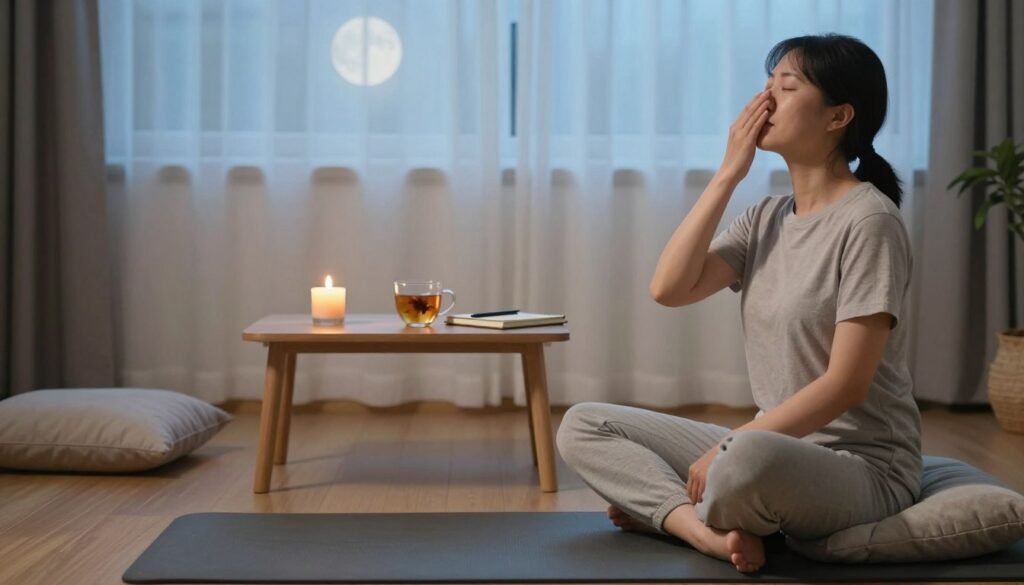
Meditation Practices for Pain and Sleep
Meditation, like mindfulness meditation, can lower pain perception and improve sleep. Regular practice can also reduce stress and anxiety, boosting overall well-being.
Body Scanning Techniques
Body scanning involves focusing on different body parts to release tension and promote relaxation. This technique can help reduce pain and enhance sleep quality.
| Technique | Benefits | Tips for Practice |
|---|---|---|
| Deep Breathing | Reduces stress, alleviates pain | Practice regularly, focus on slow breaths |
| Progressive Muscle Relaxation | Releases physical tension, reduces pain | Start with toes, work up to head |
| Guided Imagery | Distracts from pain, promotes relaxation | Use guided recordings, imagine peaceful scenes |
Mental and Emotional Preparation for Sleep
Mental and emotional prep is key for good sleep and pain management. It’s not just about where we sleep, but also how we feel. A calm mind makes sleep better.
Managing Pain-Related Anxiety
Pain anxiety can stop us from sleeping well. Deep breathing exercises and progressive muscle relaxation can calm the mind. Adding these to your bedtime routine helps manage anxiety.
Cognitive Techniques for Pain Perception
Cognitive methods are also important for pain control. Guided imagery and visualization can take our mind off pain. Regular use can improve sleep and reduce pain.
Addressing Sleep-Related Worries
Worries about sleep can start a cycle of anxiety. Journaling or talking to a healthcare professional can help. It can make for a better night’s sleep.
Practicing Gratitude and Positive Thinking
Being grateful and positive can also help sleep. Thinking about good things can shift our focus from pain. This leads to better sleep.
Adding these mental and emotional steps to your bedtime routine can improve sleep and pain management. Good sleep routines are not just about comfort. They also involve mental and emotional health.
For readers looking to make small changes at home, some explore everyday comfort-support items designed to reduce strain during sitting, resting, or sleeping.
👉 Explore everyday comfort options on Amazon
Dietary Considerations for Better Sleep and Less Pain
What you eat can affect your sleep and pain levels. The right foods can help, while the wrong ones can make things worse. It’s all about the food you choose, when you eat, and how much water you drink.
Foods That May Worsen Pain and Sleep
Some foods can mess with your sleep and make pain worse. Foods high in sugar, processed meats, and saturated fats are culprits. Eating these before bed can ruin your sleep and make pain feel worse.
Anti-Inflammatory Evening Snacks
Evening snacks can help with pain and sleep. Try tart cherry, walnuts, and fatty fish like salmon. These foods fight inflammation and help you sleep better.
Hydration Balance Before Bed
Drinking water is good, but too much before bed is bad. It can make you wake up to use the bathroom. Try to drink less water a few hours before bed.
| Food/Drink | Effect on Sleep/Pain |
|---|---|
| Caffeine | Disrupts sleep, may increase pain |
| Alcohol | Initial sedation, followed by disrupted sleep |
| Omega-3 rich foods | Reduces inflammation, improves sleep |
Timing Your Last Meal
Eating a big meal before bed can cause discomfort. Try to eat your last meal 2-3 hours before bedtime.
Caffeine and Alcohol Effects
Caffeine and alcohol can mess with your sleep. Caffeine makes it hard to fall asleep, and alcohol can break up your sleep. Try to avoid them close to bedtime.
Managing Technology Use for Better Sleep
In today’s world, it’s key to manage tech use for better sleep. Smartphones, tablets, and computers are everywhere. They emit blue light, which can mess with our sleep cycle.
Blue Light Effects on Sleep Quality
Blue light in the evening can lower melatonin levels. Melatonin helps us sleep. To fight this, use blue light filtering glasses, apps, or software at night.
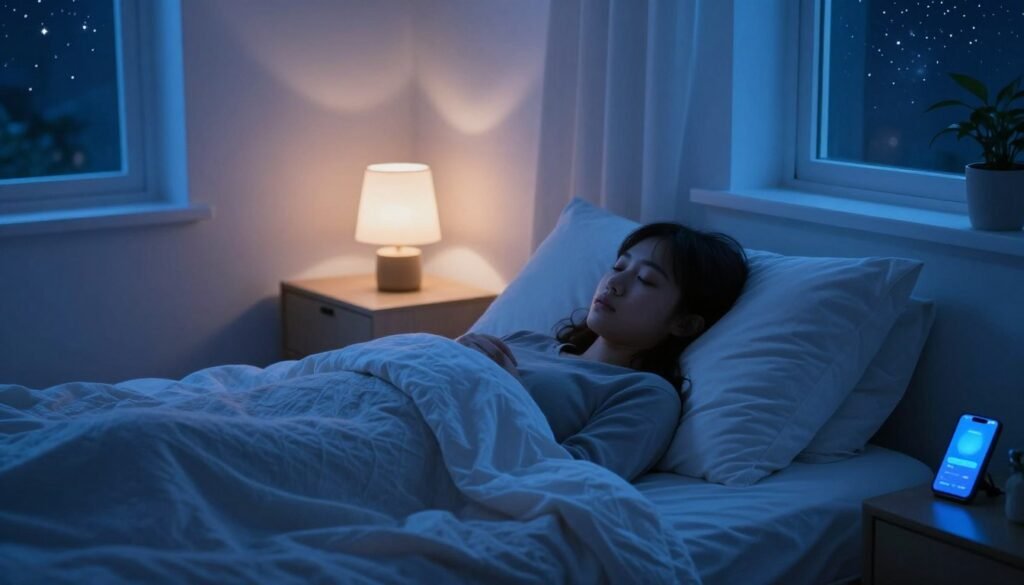
Digital Detox Before Bedtime
Doing a digital detox before bed helps a lot. Stay away from screens for at least an hour before sleep. Instead, read, meditate, or do deep breathing to get ready for sleep.
Helpful Sleep and Pain Tracking Apps
Some apps are good for tracking sleep and pain. They give insights into your sleep and pain patterns. Apps like sleep diaries, pain trackers, and relaxation guides are popular.
| App Name | Primary Function | Platform |
|---|---|---|
| Sleep Cycle | Sleep Tracking | iOS, Android |
| Pain Diary | Pain Tracking | iOS |
| Calm | Relaxation/Meditation | iOS, Android |
Setting Up Devices for Better Sleep
If you must use devices before bed, set them up for sleep. Use night mode, adjust brightness, and relax with apps. Also, don’t use devices in bed to create a better sleep space.
Being smart about tech use can improve sleep quality and well-being. Good sleep hygiene habits and nighttime self-care lead to better rest and recovery.
Natural Approaches to Nighttime Pain Relief
Natural pain relief techniques offer a promising solution for those struggling with nighttime discomfort. These methods can be used in conjunction with other pain management strategies to enhance their effectiveness.
Heat and Cold Therapy Applications
Heat therapy, such as using a warm bath or a heating pad, can help relax muscles and increase blood flow to the affected area. Cold therapy, on the other hand, can reduce inflammation and numb pain. Alternating between heat and cold can be very effective for some individuals.
Aromatherapy Options for Sleep and Pain
Aromatherapy involves the use of essential oils derived from plants to promote relaxation and reduce pain. Oils like lavender and chamomile are known for their calming effects. Peppermint and eucalyptus can help alleviate pain.
Topical Applications for Localized Pain
Topical creams and ointments containing capsaicin, menthol, or arnica can be applied directly to the skin to relieve localized pain. These products work by either reducing pain signals to the brain or decreasing inflammation.
Sound Therapy and White Noise
Sound therapy, including white noise machines, can help mask pain by distracting the brain with soothing sounds. This can be very helpful for individuals whose pain is exacerbated by the quiet of the night.
Weighted Blankets and Compression
Weighted blankets provide a calming, gentle pressure that can help reduce anxiety and promote relaxation. Compression garments can also offer relief for certain types of pain by providing support and stability.
By incorporating these natural approaches into a nighttime routine, individuals can potentially reduce their pain and improve the quality of their sleep. Always consult with a healthcare professional before starting any new pain management regimen.
Addressing Specific Types of Nighttime Pain
Different types of nighttime pain need different solutions. Knowing what kind of pain you have is key to finding the right pain relief and deeper sleep strategies.
Chronic Back and Neck Discomfort
People with chronic back and neck pain should keep their spine straight while sleeping. Using the right pillows and a comfy mattress can help ease back and neck strain, leading to pain relief.
Arthritis and Joint Pain
Arthritis and joint pain can be tough at night. Using heat or cold therapy before bed can soften joints and lessen pain, making sleep better.
Fibromyalgia and Widespread Pain
Fibromyalgia causes pain all over. Gentle stretches and relaxation methods like deep breathing or meditation can reduce pain naturally and improve sleep.
Headaches and Migraines
Those with headaches and migraines should watch out for triggers. Keeping a regular sleep schedule and using relaxation techniques can lessen these pains.
Neuropathic Pain Management
Neuropathic pain needs a variety of treatments. Using topical applications and good sleep habits can help manage this pain, leading to deeper sleep.
| Pain Type | Recommended Strategies |
|---|---|
| Chronic Back and Neck Discomfort | Supportive pillows, comfortable mattress |
| Arthritis and Joint Pain | Heat or cold therapy |
| Fibromyalgia and Widespread Pain | Gentle stretching, relaxation techniques |
| Headaches and Migraines | Avoiding triggers, consistent sleep schedule |
| Neuropathic Pain | Topical applications, good sleep hygiene |
Conclusion
Creating nighttime routines that help with pain and sleep is key for feeling good. Setting up a great sleep space, using the right body positions, and relaxing can make a big difference. These steps help improve how well you sleep.
Having a regular bedtime routine, eating right, and being careful with tech can also help. Deep breathing, muscle relaxation, and guided imagery can ease pain and anxiety. This makes for a better night’s sleep.
Using these methods can help you sleep better and feel less pain. This leads to a healthier life and better overall well-being. Focusing on these routines can greatly improve your physical and mental health. It helps you sleep better and feel less pain.
Affiliate Disclosure:
As an Amazon Associate I earn from qualifying purchases. This article may contain affiliate links, which means I may earn a commission at no extra cost to you.