Do you wake up feeling exhausted even after spending hours in bed? Does your pain feel worse after a bad night of sleep?
If so, you’re not imagining it.
For many people living with chronic pain, poor sleep and pain often feed off each other in a frustrating cycle. Pain makes it harder to sleep, and poor sleep can make pain feel more intense the next day. Over time, this cycle may lead to fatigue, stiffness, brain fog, lower energy, and difficulty getting through everyday tasks.
The good news? Small changes in sleep habits may help support recovery, improve comfort, and help you feel more rested over time.
In this guide, you’ll learn:
✔ Why recovery sleep matters for chronic pain
✔ How poor sleep may worsen discomfort
✔ Small nighttime habits that may support better rest
✔ Natural ways to improve sleep and daily energy
Key Takeaways
- Chronic pain and sleep quality are deeply interconnected
- Poor sleep can amplify pain perception
- Sleep is key for the body’s natural healing
- Understanding the sleep-pain relationship can improve management strategies
- Evidence-based sleep techniques can help break the pain cycle
The Bidirectional Relationship Between Sleep and Chronic Pain
Chronic pain and sleep are closely linked, affecting health deeply. This connection makes it hard to break the cycle of poor sleep and pain. It’s essential for those with ongoing pain to find ways to manage it well.
How Poor Sleep Amplifies Pain Perception
Poor sleep makes pain feel worse. This is due to how our brains and bodies work. Not getting enough sleep makes our brains more sensitive to pain.
- Reduced pain threshold
- Decreased pain tolerance
- Increased inflammatory response
How Chronic Pain Disrupts Sleep Architecture
Chronic pain makes it hard to sleep well. The pain keeps interrupting sleep, stopping deep sleep that’s needed for rest.
| Pain Impact | Sleep Disruption |
|---|---|
| Muscle tension | Reduced REM sleep |
| Inflammatory responses | Frequent nighttime awakenings |
| Neurological sensitivity | Shortened deep sleep duration |
Breaking the Sleep-Pain Cycle
To stop this cycle, we need to tackle both sleep quality and pain management together. Using medicine, changing lifestyle, and getting psychological help can help patients take back control.
- Develop consistent sleep schedules
- Practice pain management techniques
- Explore cognitive behavioral therapies
- Consider medical professional guidance
Signs Poor Sleep May Be Making Chronic Pain Worse
Sometimes people focus only on the pain itself and don’t realize sleep may be quietly making symptoms harder to manage.
Signs poor sleep may be affecting pain and energy include:
- Waking up feeling stiff or sore
- Feeling exhausted even after spending hours in bed
- Increased sensitivity to aches or discomfort
- More brain fog or trouble focusing
- Higher stress or irritability during the day
- Afternoon energy crashes
When the body doesn’t get enough restorative sleep, it may struggle to recover from daily physical stress. Over time, poor sleep can make pain feel more intense and energy levels harder to maintain.
Recognizing this connection is often the first step toward improving both sleep and comfort.
The Science Behind Sleep’s Role in Pain Regulation
Sleep is key in managing chronic pain through complex processes. The brain’s relationship with pain changes during sleep, opening up healing chances.
Research shows sleep affects pain in many ways:
- Neural network restoration during deep sleep
- Inflammation reduction through specific sleep cycles
- Neurotransmitter recalibration affecting pain sensitivity
Neuroscientists found that brain areas for pain become very active during sleep. These areas repair and adjust, changing how we feel pain.
“Sleep is not merely a passive state, but an active neurological process of healing and restoration” – Dr. Rachel Salas, Sleep Neurologist
The brain’s pain system works through neurotransmitters during sleep. Levels of serotonin, dopamine, and endorphins change, helping reduce pain and heal naturally.
| Sleep Stage | Pain Regulation Mechanism | Neurological Impact |
|---|---|---|
| REM Sleep | Emotional Pain Processing | Reduces Stress-Induced Pain Perception |
| Deep Sleep | Tissue Repair | Decreases Inflammatory Markers |
| Light Sleep | Neurological Reset | Rebalances Pain Threshold |
Knowing how sleep and pain interact helps us create better pain management plans. These plans use sleep’s healing powers.
Hidden Signs Sleep May Be Affecting Your Pain More Than You Realize
Sometimes poor sleep affects the body in ways people don’t immediately connect to rest.
You may notice:
- More stiffness first thing in the morning
- Feeling sore after simple daily activities
- Afternoon energy crashes
- Increased irritability or stress
- Brain fog or trouble focusing
- Feeling physically drained despite resting
When the body misses restorative sleep, it may struggle to recover from physical stress, muscle tension, and inflammation.
Even small sleep improvements can sometimes help support better comfort over time.
Why Recovery Sleep Matters for Chronic Pain and Daily Energy

Some people find that using general sleep-position support tools can help maintain better alignment and reduce pressure while resting. You can explore commonly used options here.
👉 View sleep position support options on Amazon
Sleep is more than just resting. It’s a healing process that helps manage chronic pain and boosts daily energy. Knowing how sleep stages aid in recovery can lead to better pain management.
Best Sleeping Positions for Chronic Pain Support
Sleep position may play a role in how comfortable your body feels in the morning.
Many people find relief by making small adjustments:
Side Sleeping With Pillow Support
Placing a pillow between the knees may help reduce pressure on the hips, pelvis, and lower back.
Back Sleeping With Knee Support
Placing a pillow under the knees may help reduce pressure on the lower back and support spinal alignment.
Avoid Sleeping on Your Stomach
For some people, stomach sleeping may place extra strain on the neck and lower back.
Small adjustments in sleeping position may help improve overnight comfort.
👉 Explore sleep position support options on Amazon
Restorative Sleep Stages and Tissue Repair
During sleep, the body repairs and regenerates. Key stages for healing include:
- Slow-wave or deep sleep promotes tissue repair
- Muscle regeneration occurs mainly in non-REM stages
- Cellular restoration peaks during the deepest sleep cycles
Deep sleep triggers growth hormone release, speeding up muscle and tissue recovery. But, patients with chronic pain often find it hard to reach these stages, making it tough to break the cycle of pain.
Common Nighttime Habits That May Make Pain Feel Worse
Some habits may unintentionally make sleep and recovery more difficult:
- Scrolling on your phone late at night
- Sleeping in uncomfortable positions
- Irregular sleep schedules
- Too much caffeine late in the day
- High stress before bedtime
- Sleeping in a room that is too warm or bright
Making even one or two small changes may help support deeper rest over time.
Neurotransmitter Release During Deep Sleep
The brain’s chemistry changes during sleep, releasing neurotransmitters that control pain and inflammation. Important ones like serotonin and dopamine help manage pain and comfort.
- Serotonin reduces pain sensitivity
- Dopamine helps manage pain perception
- Melatonin supports anti-inflammatory processes
Grasping these sleep mechanisms can help chronic pain patients see the importance of quality sleep in managing their pain.
Sleep Deprivation’s Impact on Inflammation and Pain Sensitivity
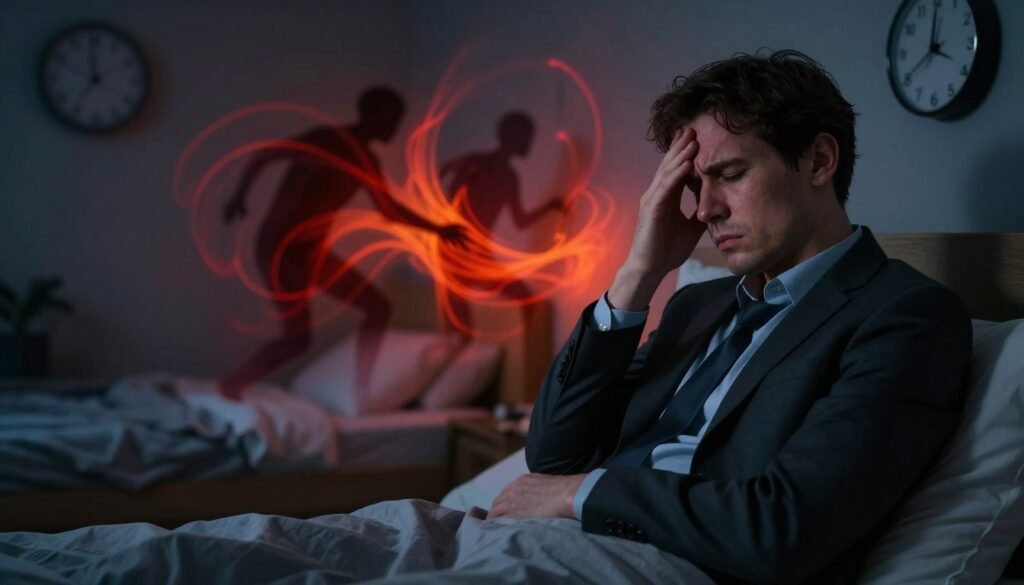
Sleep loss starts a chain reaction in the body. It makes pain more sensitive and boosts inflammation. Without enough sleep, healing is harder, and pain lasts longer.
Studies show sleep loss affects inflammation markers:
- More pro-inflammatory cytokines are made
- Cortisol levels go up
- The immune system works less well
- Neurological pain perception increases
Studies show sleep-deprived people feel pain more easily. Their brains get more sensitive to pain. This makes pain worse and harder to handle.
When you don’t sleep well, your body gets more inflamed. Markers like C-reactive protein rise, showing inflammation all over. This makes chronic pain even harder to deal with.
Knowing how sleep affects pain and health is key. It shows why good sleep is vital for managing pain and staying healthy.
Small Nighttime Changes That May Support Better Recovery Sleep
Improving sleep doesn’t have to happen all at once.
Many people notice gradual improvements from small, realistic changes such as:
Creating a Consistent Bedtime
Going to sleep around the same time each night helps regulate your internal body clock.
Supporting Comfortable Sleep Positions
Some people with back, hip, or joint discomfort sleep more comfortably by adjusting pillows or changing sleeping positions.
Limiting Evening Stimulation
Bright lights, scrolling on phones, or stressful TV shows may make it harder for the nervous system to fully relax.
Reducing Bedroom Disruptions
Keeping the room cool, quiet, and dark may help support deeper sleep cycles.
Even one or two small adjustments can make a meaningful difference over time.
Evidence-Based Strategies to Improve Sleep Quality for Pain Management
People with chronic pain often have trouble sleeping, which makes their pain worse. There are ways to improve sleep and manage pain better. Here are some practical tips for those looking for relief.
For those looking to improve overall sleep comfort, some explore bed support options designed to reduce pressure and support better rest throughout the night.
👉 Explore sleep comfort support options on Amazon
How Poor Sleep Makes Pain Worse (And How to Fix It Naturally)
Sleep Hygiene Practices for Pain Relief
Keeping a regular sleep schedule is key to managing pain. Sleeping and waking up at the same time each day helps your body’s clock and lessens pain.
- Create a relaxing bedtime routine with gentle activities like reading or taking a warm bath
- Optimize the sleep environment by maintaining a dark, quiet, cool bedroom
- Avoid stimulants and heavy meals within 2-3 hours of bedtime
Cognitive Behavioral Therapy for Insomnia and Pain
Cognitive Behavioral Therapy (CBT) is a strong tool for both sleep issues and chronic pain. It helps patients change their thoughts and behaviors for better health.
| CBT Focus Area | Pain Management Impact |
|---|---|
| Thought Pattern Restructuring | Reduces pain catastrophizing |
| Behavioral Modification | Decreases fear-avoidance behaviors |
| Stress Reduction Techniques | Lowers overall pain perception |
Relaxation and Mindfulness Techniques
Relaxation techniques can greatly improve sleep for those with chronic pain. Mindfulness meditation helps focus on the now, reducing anxiety and stress linked to pain.
- Deep breathing exercises
- Progressive muscle relaxation
- Guided imagery
- Body scan meditation
These methods offer lasting support without medication side effects. It’s important to work with healthcare providers to create a plan that fits your needs.
Sleep and Recovery: Natural Ways to Improve Sleep and Support Healing
Addressing Common Sleep Disorders in Chronic Pain Patients
Many chronic pain patients find it hard to fall asleep because of physical discomfort. The link between sleep and pain is complex. Pain can wake you up at night, and worries about sleep can make it worse.
Sleep disorders often make managing chronic pain harder. Clinical insomnia usually needs more than just good sleep habits. Cognitive Behavioral Therapy for Insomnia (CBT-i) by experts can help a lot.
Common Sleep Disorders in Chronic Pain
- Sleep Apnea: Characterized by repeated breathing pauses during sleep
- Restless Leg Syndrome: Causes uncomfortable sensations disrupting sleep
- Periodic Limb Movement Disorder: Involves involuntary limb movements
Sleep apnea is very common in people with chronic pain. It stops you from getting deep, restful sleep, even if you’re in bed long enough. This leads to tiredness during the day and can make pain worse.
Signs that you might need to see a doctor include:
- Loud snoring
- Witnessed breathing pauses
- Morning headaches
- Excessive daytime sleepiness
It’s important to know about these sleep disorders. Treatments like CPAP for sleep apnea or special medicines can really help improve sleep and pain control.
Professional evaluation is a positive step toward better sleep and pain management.
Even though sleep issues are common with chronic pain, they can be fixed. The right mix of self-care and professional help can make a big difference.
When to Talk to a Healthcare Professional
Sleep problems linked to chronic pain sometimes require medical support.
Consider speaking with a healthcare professional if you experience:
- Ongoing insomnia
- Loud snoring or breathing pauses during sleep
- Severe daytime exhaustion
- Pain that continues disrupting sleep regularly
- Worsening symptoms despite lifestyle changes
Sleep disorders such as insomnia or sleep apnea can sometimes contribute to fatigue and pain. Getting professional guidance may help identify underlying causes and improve both sleep quality and overall well-being.
Helpful Guides for Better Recovery and Comfort
- Sleep and Recovery: A Natural Approach to Deeper Sleep and Faster Healing
- Morning Stretches for Lower Back Pain Relief
- Natural Ways to Reduce Inflammation and Pain Without Medication
- Common Home Pain Triggers That May Be Making Pain Worse
Conclusion
Understanding how sleep and chronic pain are connected is key to feeling better. Good sleep is essential, not just a nice-to-have. It affects pain, energy, and how well you feel overall.
Using proven methods like sleep hygiene and relaxation can help manage pain. Start with small steps, like one or two new habits. These small changes can make a big difference in how you feel every day.
While it’s good to manage your health on your own, getting help from experts is important too. Doctors and sleep specialists can give you advice that fits your needs. Seeing sleep as part of pain management helps you tackle your health from all angles.
This article is for educational and informational purposes only and is not intended as a substitute for professional medical advice, diagnosis, or treatment. Always seek the advice of your physician or other qualified health provider with any questions you may have regarding a medical condition or sleep disorder. Never disregard professional medical advice or delay in seeking it because of something you have read in this article. If you think you may have a medical emergency, call your doctor or emergency services immediately.
As an Amazon Affiliate I earn from qualifying purchases. This article may contain affiliate links, which means I may earn a commission at no extra cost to you.