Do you wake up with lower back stiffness that seems to last the entire day? You’re not alone. Many people notice their back feels tight, sore, or difficult to move first thing in the morning — especially after a full night of sleep.
The good news: a short and gentle routine can help. A simple 10-minute daily stretching habit may improve mobility, reduce stiffness, and make everyday activities more comfortable.
If you’re looking for additional comfort strategies, you may also find helpful ideas in our guide on
Best Back Pain Relief Products for Home Use
This article walks you step-by-step through an easy routine you can safely perform at home.
Why Lower Back Pain Feels Worse in the Morning
Morning back pain is very common, and it usually isn’t caused by injury. Instead, it’s often related to how the body behaves during sleep.
While sleeping:
• Muscles remain inactive for hours
• Joints receive less movement
• Circulation slows
• Spinal discs absorb fluid and become slightly swollen
This leads to stiffness when you wake up.
Sleep Position Matters
Sleeping on your stomach can place extra stress on the lower spine. Many people feel better when sleeping:
• On their back with a pillow under the knees
• On their side with a pillow between the knees
These positions help keep the spine in a neutral alignment.
Mattress Support
A mattress that is too soft allows the hips to sink.
A mattress that is too firm increases pressure on the spine.
Both can contribute to morning discomfort.
Overnight Muscle Tightness
During sleep, muscles cool and tighten. Without movement, the lower back becomes stiff — which is why gentle morning motion helps so much.

gentle morning stretch routine in a calm bedroom environment
How Morning Stretching Helps Lower Back Pain
Morning stretching works because it gently “wakes up” the muscles and joints.
Improves Blood Flow
Stretching increases circulation to muscles and ligaments. Better circulation helps:
• reduce stiffness
• deliver oxygen
• support tissue recovery
Improves Flexibility
Regular stretching allows the spine to move more freely. Better mobility reduces strain during daily activities like walking, sitting, and bending.
Reduces Muscle Tension
Tight muscles pull on the lower spine. Stretching relaxes these muscles, which helps reduce discomfort.

person performing gentle back stretch on a yoga mat at home
Preparing for Your Morning Stretch Routine
Before starting, create a comfortable setup.
What you need
• Yoga mat or carpeted floor
• Comfortable clothing
• Quiet space
Safety reminders
• Move slowly
• Never bounce during stretches
• Stop if sharp pain occurs
• Breathe normally
Your 10-Minute Daily Routine
Perform these stretches gently. The goal is motion, not forcing flexibility.
1. Knee-to-Chest Stretch (1 minute)
How to perform
- Lie on your back
- Bend one knee toward your chest
- Hold 30 seconds
- Switch sides
Why it helps
Relieves pressure in the lower spine and loosens tight muscles.

knee to chest stretch on floor
2. Cat-Cow Stretch (1.5 minutes)
How to perform
- Start on hands and knees
- Arch your back upward
- Then lower your stomach and lift your head
- Repeat slowly
Why it helps
Warms up the spine and restores movement after sleep.

cat cow back stretch exercise
3. Child’s Pose (1.5 minutes)
How to perform
- Sit back onto your heels
- Extend arms forward
- Rest forehead down
- Breathe deeply
Why it helps
Gently stretches the entire back and relaxes muscles.
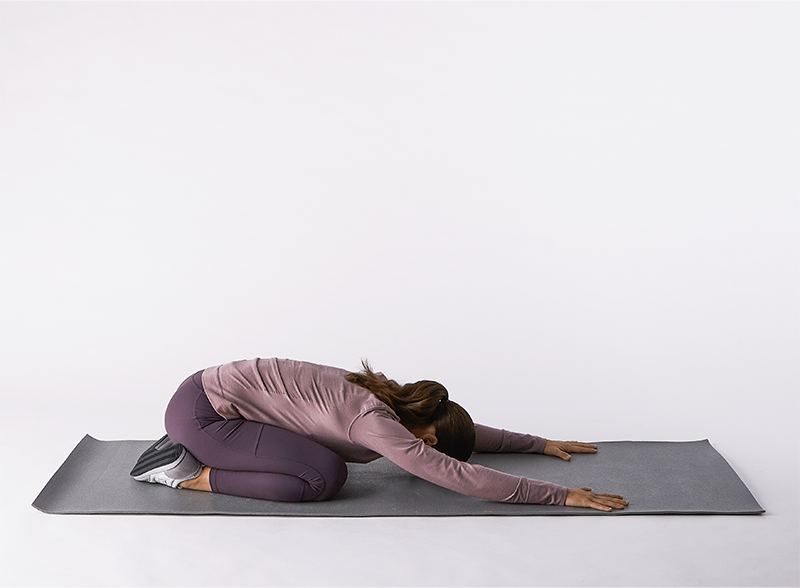
child’s pose stretch relaxing position
4. Pelvic Tilts (1.5 minutes)
How to perform
- Lie on your back
- Tighten your stomach muscles
- Tilt hips upward slightly
- Relax and repeat
Why it helps
Strengthens supportive core muscles that protect the lower back.
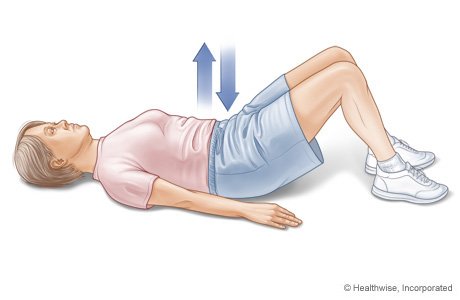
pelvic tilt exercise on floor
5. Seated Spinal Twist (2 minutes)
How to perform
- Sit upright
- Cross one leg over the other
- Rotate your torso gently
- Switch sides
Why it helps
Improves spinal mobility and reduces stiffness.
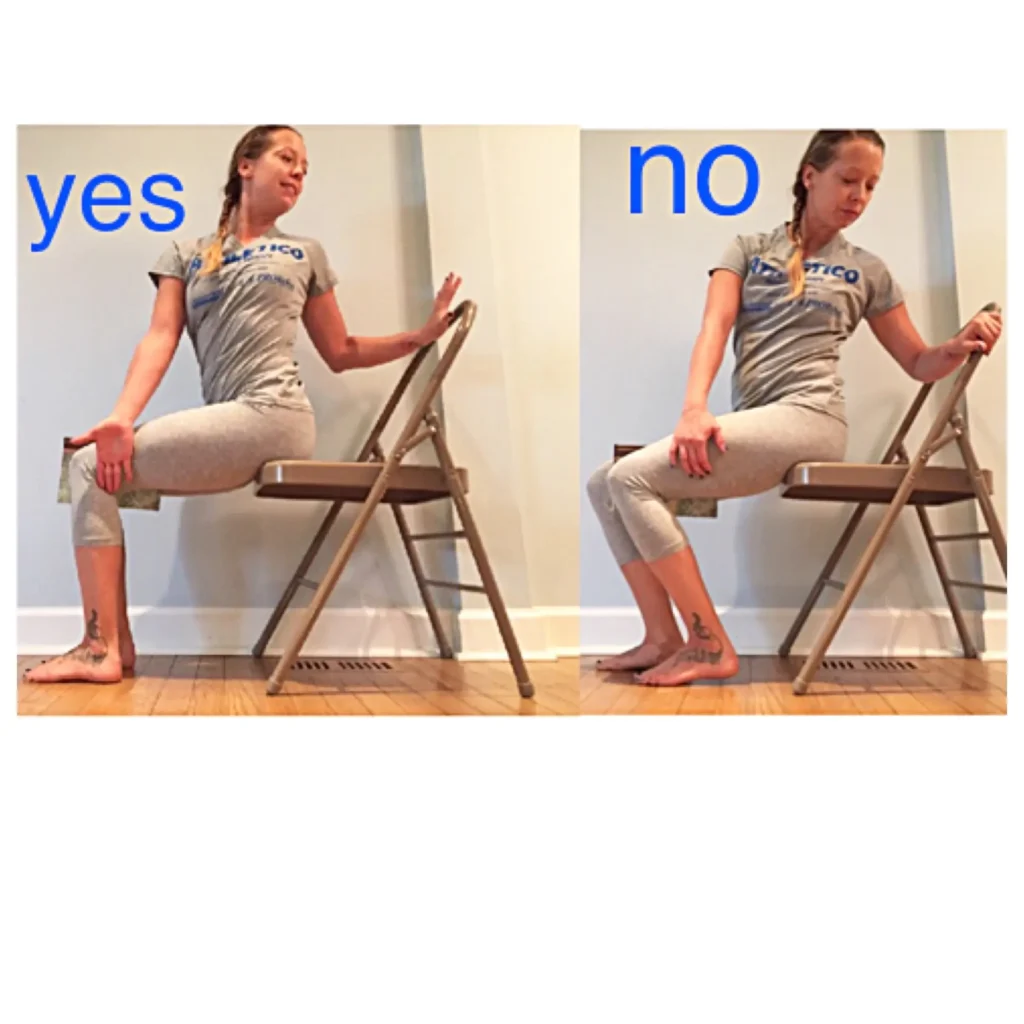
seated spinal twist stretch
6. Modified Standing Forward Bend (1.5 minutes)
How to perform
- Stand with knees slightly bent
- Slowly bend forward
- Support hands on legs if needed
Why it helps
Stretches the entire posterior chain without strain.
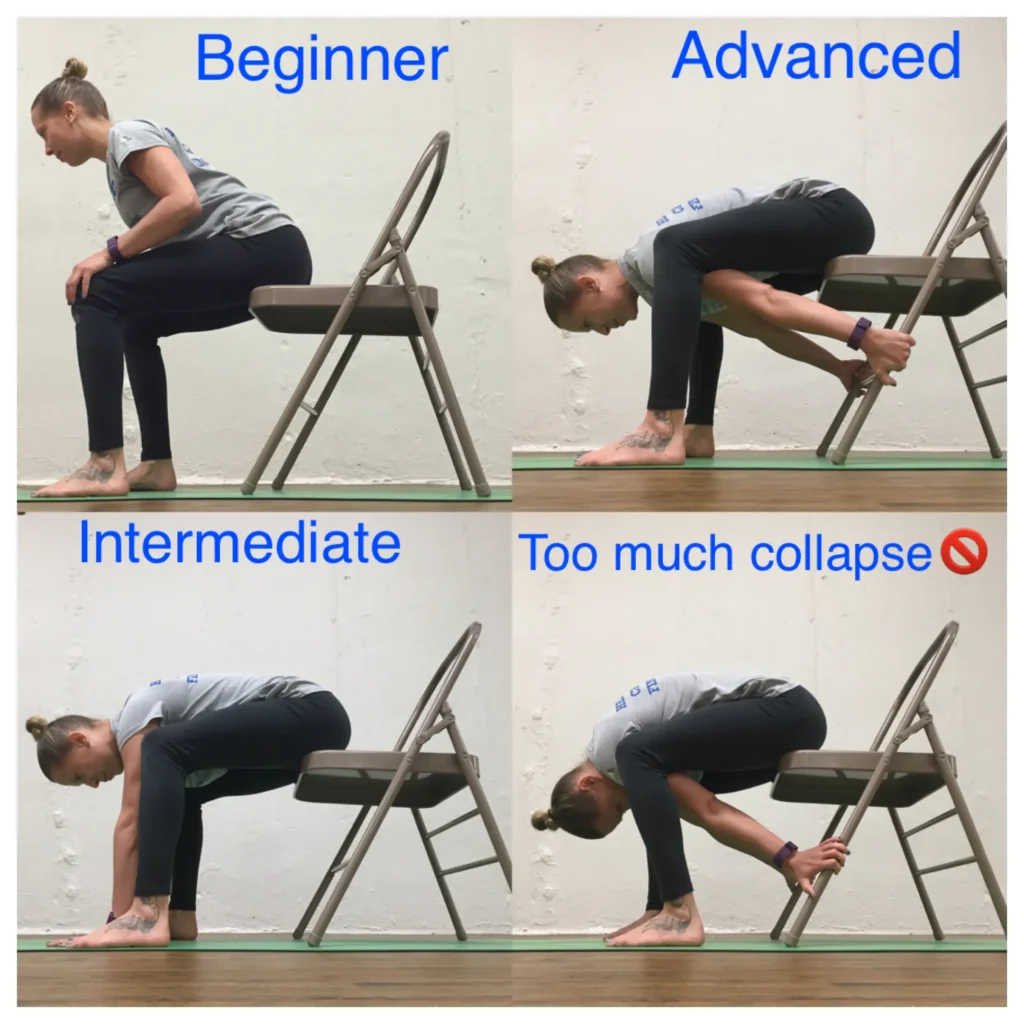
gentle standing forward bend stretch
Cool Down: Deep Breathing (1 minute)
Lie down and take slow breaths. Relax each muscle group from feet to head.
Tips for Better Results
• Start gently
• Stay consistent
• Avoid forcing range of motion
• Combine stretching with walking and posture improvements
Stretching works best when done daily, not intensely.
Building the Habit
Make it part of your normal routine:
• Do it immediately after waking
• Keep your mat beside the bed
• Track progress weekly
Within a few weeks, many people notice easier movement and less morning stiffness.
Conclusion
A 10-minute morning stretching routine can significantly improve mobility and comfort. The goal isn’t perfection — it’s consistency. Small daily movements help the spine stay active, flexible, and supported.
You can also pair stretching with supportive comfort strategies explained in our guide:
👉 https://pathwaytorelief.com/best-back-pain-relief-products-for-home-use/
Important Wellness Disclaimer
PathwayToRelief.com provides educational information related to comfort, sleep support, and general wellness. This content is not medical advice and is not intended to diagnose, treat, cure, or prevent any condition. Always consult a qualified healthcare professional before beginning new exercises, stretches, or health routines, especially if you have existing pain, injury, or medical conditions.