Living with daily aches and stiffness can quietly wear you down. It’s not always sharp pain — sometimes it’s the constant tight back, sore knees, or muscles that never fully relax. Over time, that discomfort can affect sleep, mood, focus, and even motivation.
The good news is that relief doesn’t always start with something extreme. Often, it begins with the small things you do every day.
Your body responds strongly to routine. Gentle, consistent habits can gradually help calm tension, reduce stiffness, and support overall comfort. This guide walks through simple daily practices many people use to feel more comfortable naturally and support their body’s recovery.
Key Takeaways
- Small daily habits can help reduce everyday discomfort
- Consistency matters more than intensity
- Movement, hydration, sleep, and stress all affect pain levels
- Gentle routines often work better than drastic changes
- Comfort improves when the body feels supported throughout the day
How Daily Habits Shape Your Pain Experience
Many people think pain only comes from injury or aging, but daily routines play a huge role. The body adapts to how it is used. Long sitting, poor sleep, dehydration, and stress can all increase tension in muscles and joints.
When the body stays tight for long periods, it becomes more sensitive. On the other hand, gentle activity, regular movement, and recovery time help muscles relax and joints move more freely.
Small adjustments repeated daily often help more than occasional big efforts. A consistent 5-minute routine practiced every day can matter more than an intense workout done once a week.
Morning Rituals That Set the Stage for Less Pain

Gentle Wake-Up Stretches
After sleeping, joints and muscles are stiff because they haven’t moved for hours. Instead of jumping straight into activity, try 3–5 minutes of gentle stretching.
Helpful options:
- slow neck turns
- shoulder rolls
- light back twists
- calf stretches beside the bed
The goal isn’t flexibility — it’s circulation. Gentle movement signals your nervous system that it’s safe to relax muscles.
Temperature Therapy
Warmth in the morning can help muscles loosen. A warm shower or heating pad applied briefly to tight areas often reduces stiffness. Some people prefer a cool pack on swollen areas — either approach can feel relieving depending on the situation.
Intentional Movement
Even a short walk around the house or outside can help your body “wake up.” Movement increases blood flow and often reduces that heavy, stiff feeling that lingers after sleep.
Movement and Posture Habits During the Day
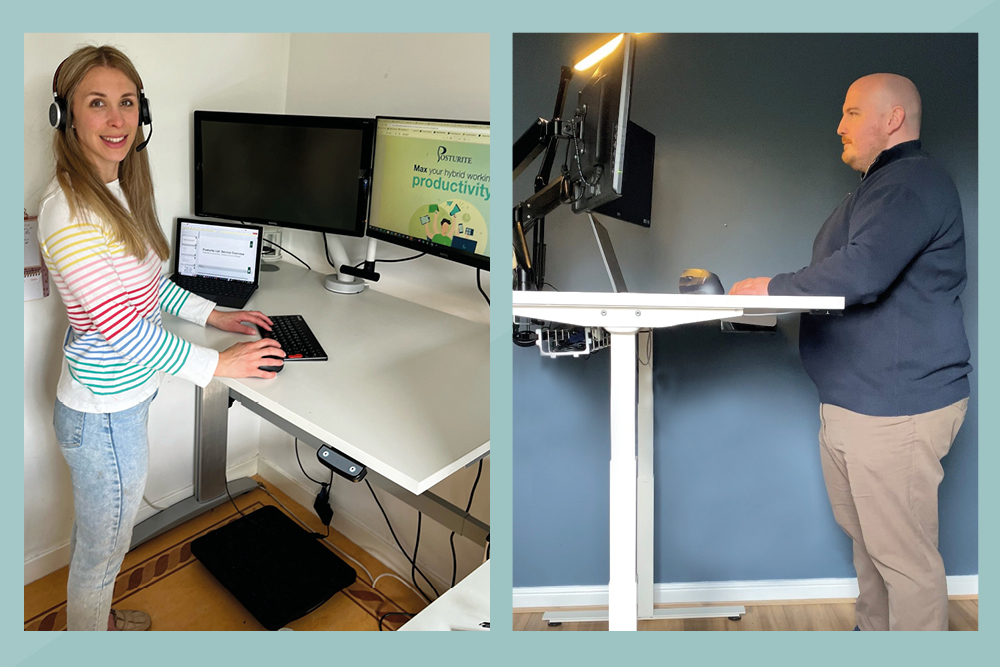
Avoid Staying in One Position
Remaining seated or standing too long puts pressure on the same joints and muscles. Changing position every 30–60 minutes helps reduce strain.
Try:
- standing during phone calls
- short walks
- gentle stretches between tasks
Micro-Movements
Tiny movements matter more than people think. Rotating wrists, stretching fingers, and rolling shoulders prevent stiffness from building.
Simple Ergonomic Adjustments
Small changes can noticeably improve comfort:
- monitor at eye level
- feet flat on the floor
- back supported by chair
- keyboard close to body
Hydration and Nutrition Habits for Comfort

Hydration
Muscles and joints rely on proper fluid balance. Mild dehydration alone can increase fatigue and tightness. Drinking water consistently throughout the day helps muscles function more comfortably.
Supportive Foods
Many people notice better comfort when their diet includes:
- leafy greens
- berries
- nuts and seeds
- fatty fish
- herbal teas
Foods to Limit
Highly processed foods and excessive sugar may leave the body feeling more inflamed or sluggish. Small dietary changes over time often make a noticeable difference in overall comfort.
Sleep and Recovery: Your Nightly Repair Time

Quality sleep is one of the most overlooked comfort tools. During sleep, muscles relax and the nervous system resets.
Helpful habits:
- keep bedroom cool and dim
- follow a regular sleep schedule
- reduce screen time before bed
- try gentle stretching at night
Sleep Positions
- Back sleepers: pillow under knees
- Side sleepers: pillow between knees
- Avoid stomach sleeping when possible
Stress Management and the Pain Cycle

Stress and physical discomfort strongly influence each other. When the body is tense, muscles tighten automatically. Learning to relax the nervous system can noticeably reduce discomfort.
Simple Techniques
- slow breathing (inhale 4 seconds, exhale 6)
- short quiet breaks
- mindful walking
- gentle stretching
Even 5 minutes a day can help your body shift from tension to relaxation.
Conclusion
Chronic discomfort rarely improves overnight, but daily habits add up. Gentle movement, hydration, sleep, posture, and relaxation all work together to support comfort.
Instead of searching for one perfect solution, focus on consistency. Small actions repeated daily often produce the most lasting improvements.
Over time, your body learns safety, balance, and relaxation — and comfort usually follows.
Important Wellness Notice:
PathwayToRelief.com provides general educational information about comfort, recovery habits, and lifestyle wellness. This article is not medical advice and is not intended to diagnose, treat, cure, or prevent any condition. Individual needs vary, and persistent or severe pain should always be discussed with a qualified healthcare professional.