Ever used a heating pad and felt worse later instead of better?
Many people naturally reach for heat when their back hurts. Warmth feels comforting, but in some situations heat actually delays healing and increases pain.
Understanding when NOT to use heat is one of the most important parts of managing back pain correctly.
Heat can help tight muscles, but it can also increase swelling, irritate injured tissue, and prolong recovery if used at the wrong time.
In this guide you will learn:
• why heat sometimes backfires
• when to avoid a heating pad completely
• when ice is actually the correct treatment
• safer ways to relieve back pain naturally
KEY TAKEAWAYS
- Heat increases blood flow — helpful for stiffness but harmful for fresh injuries
- Swelling and inflammation worsen with early heat use
- First 48–72 hours after injury should usually avoid heat
- Ice reduces inflammation and speeds recovery early on
- Movement, posture, and sleep position matter more than heat
How Heat Therapy Is Supposed to Work
Heat therapy works by widening blood vessels. This increases circulation to muscles and connective tissue. More circulation delivers oxygen and nutrients to tight or fatigued muscles.
Heat also relaxes muscle spasms. This is why heating pads often feel amazing when your back feels stiff after sitting too long. If this sounds familiar, you may want to read lower back hurts after sitting.
The intended benefits:
• muscle relaxation
• improved flexibility
• reduced stiffness
• temporary pain relief
However — this only applies to muscle tightness, not injury.
Why a Heating Pad Can Make Back Pain Worse
Increased Inflammation
When you have a new strain, sprain, or irritated disc, your body creates inflammation to protect the area. Heat increases blood flow — and that makes inflammation expand.
More inflammation = more pressure on nerves.
This often causes:
• throbbing pain
• stiffness later in the day
• next-morning soreness
Aggravating Acute Injuries
If your back pain started suddenly, heat is often the worst first treatment.
A heating pad during early injury:
• increases swelling
• delays tissue repair
• worsens nerve irritation
This is why people often say:
“The heating pad helped at first… then my back hurt worse later.”
Skin and Tissue Irritation
Excessive heat can also irritate nerves close to the skin. Prolonged use (especially falling asleep with it) may cause:
• skin sensitivity
• redness
• deeper tissue irritation
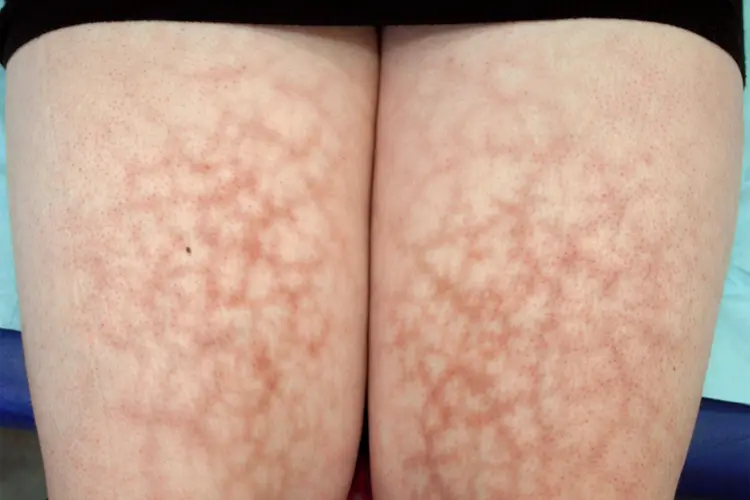
skin irritation caused by excessive heating pad use on lower back
When You Should NOT Use Heat
First 48–72 Hours After Injury
Never use heat immediately after:
• lifting injury
• sudden sharp pain
• muscle pull
• back “locking up”
Your body is inflamed during this stage.
Heat traps inflammation.
Use cold instead.
Visible Swelling
If your back feels:
- hot
- swollen
- tender to touch
Avoid heat completely.
Open Skin or Bruising
Heat worsens bruising and delays healing.
Certain Medical Conditions
Avoid heating pads if you have:
• diabetes neuropathy
• poor circulation
• numbness in the area
You may not feel burns developing.
Heat vs Ice (This Is What Most People Get Wrong)
| Condition | Correct Treatment |
|---|---|
| New injury | Ice |
| Swelling | Ice |
| Sharp pain | Ice |
| Stiffness | Heat |
| Chronic tightness | Heat |
How to Use Ice Properly
• wrap ice in a towel
• 15–20 minutes
• 2–5 times daily
• first 2–3 days
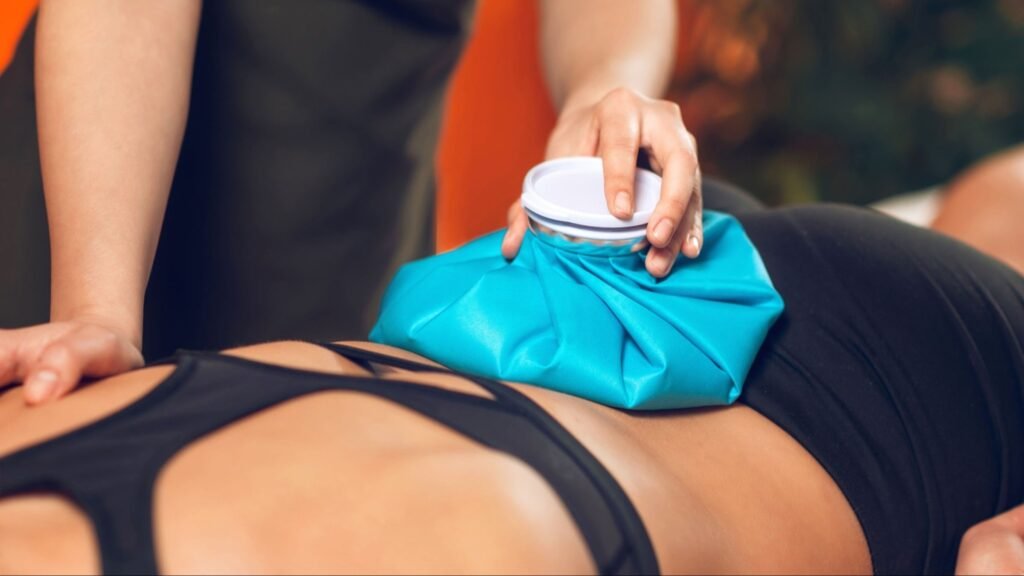
cold therapy using an ice pack for lower back pain relief
Heat also relaxes muscle spasms. This is why heating pads often feel amazing when your back feels stiff after sitting too long. If this sounds familiar, you may want to read lower back hurts after sitting.
Better Alternatives Than Heat
Gentle Movement
Bed rest slows recovery. Walking improves circulation safely.
Posture Correction
Poor sitting posture is one of the biggest causes of recurring back pain.
Sleep Position
Hydration
Spinal discs are mostly water. Dehydration increases stiffness and compression.
CONCLUSION
A heating pad is helpful — but only at the right time.
Heat works for stiffness.
Heat harms inflammation.
If pain is new, swollen, or sharp — start with cold therapy first.
Then transition to heat later once inflammation settles.
Long-term back relief comes from movement, posture, and sleep habits — not just passive treatments.
DISCLAIMER (Add at VERY BOTTOM)
Medical Disclaimer
This article is for informational purposes only and is not medical advice. PathwayToRelief.com does not provide diagnosis or treatment. Always consult a qualified healthcare professional before starting or changing any treatment, especially if pain is severe, persistent, or accompanied by numbness, weakness, or injury.