Ever wondered if warmth on sore muscles might cause problems if left on too long?
Many people use heat therapy for back pain relief because it relaxes muscles and improves circulation. However, using heat incorrectly can sometimes irritate skin or reduce its effectiveness.
Understanding how long to use a heating pad for back pain helps you get the benefits while protecting your skin and muscles.
Heat therapy increases blood flow, relaxes tight muscles, and reduces stiffness. When used safely and combined with healthy daily habits, it can become a simple part of a pain-relief routine.
This guide explains safe heating pad timing, frequency, and practical tips so you can use heat therapy comfortably and effectively.
Key Takeaways
- Limit heat sessions to 15–20 minutes
- Heat improves circulation and muscle recovery
- Place a cloth barrier between skin and heating pad
- Never fall asleep while using an electric heating pad
- Allow at least 30 minutes between sessions
- Check your skin regularly for redness or irritation
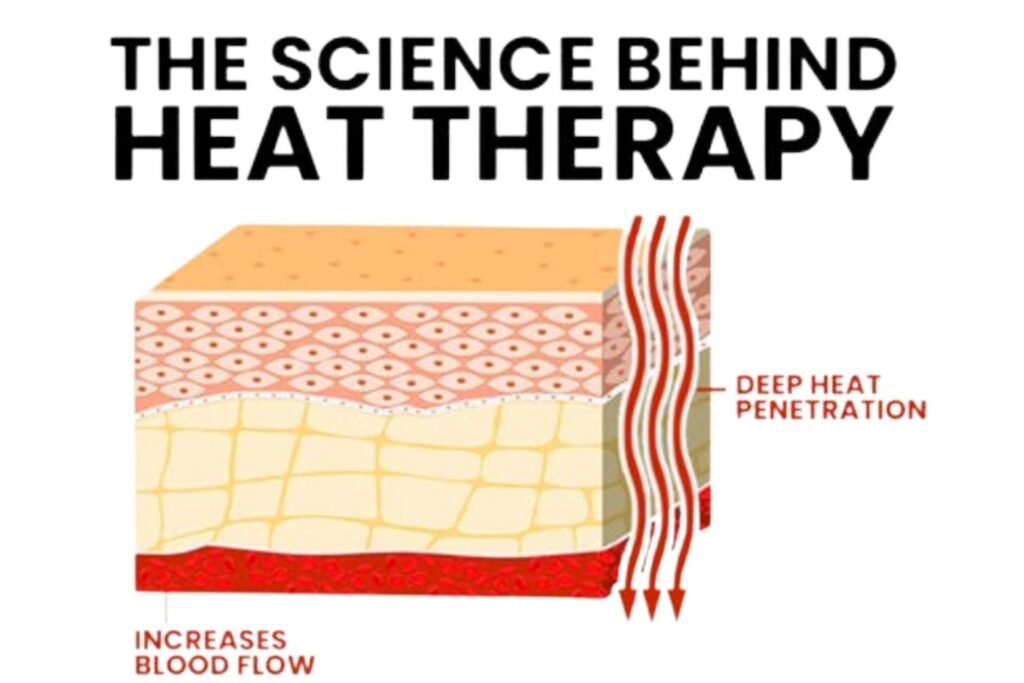
Why Heat Therapy Helps Ease Back Discomfort
Heat therapy has been used for centuries to relieve muscle tension and stiffness. Ancient cultures such as the Greeks and Egyptians understood that warmth could relax the body and support healing.
When heat is applied to sore muscles, blood vessels expand. This allows more oxygen and nutrients to reach the affected area, which can help muscles recover faster.
How Warmth Relaxes Tight Muscles
Back pain often happens because muscles tighten or spasm. Heat therapy helps those muscles relax.
The warmth penetrates deep into the muscle tissue, reducing stiffness and improving flexibility. This is why a heating pad can feel especially soothing after long periods of sitting or standing.
If your back pain often appears after long periods of sitting, you may want to read this guide on posture and desk comfort.
lower back hurts after sitting
When Heat Is the Right Choice
Heat therapy works best for certain types of back discomfort.
| Condition | Heat Therapy Effectiveness |
|---|---|
| Chronic back pain | Highly effective |
| Muscle stiffness | Effective |
| Muscle tension | Effective |
| Acute injury or swelling | Usually not recommended |
Heat works best for tight muscles and chronic stiffness, not for fresh injuries where swelling is present.
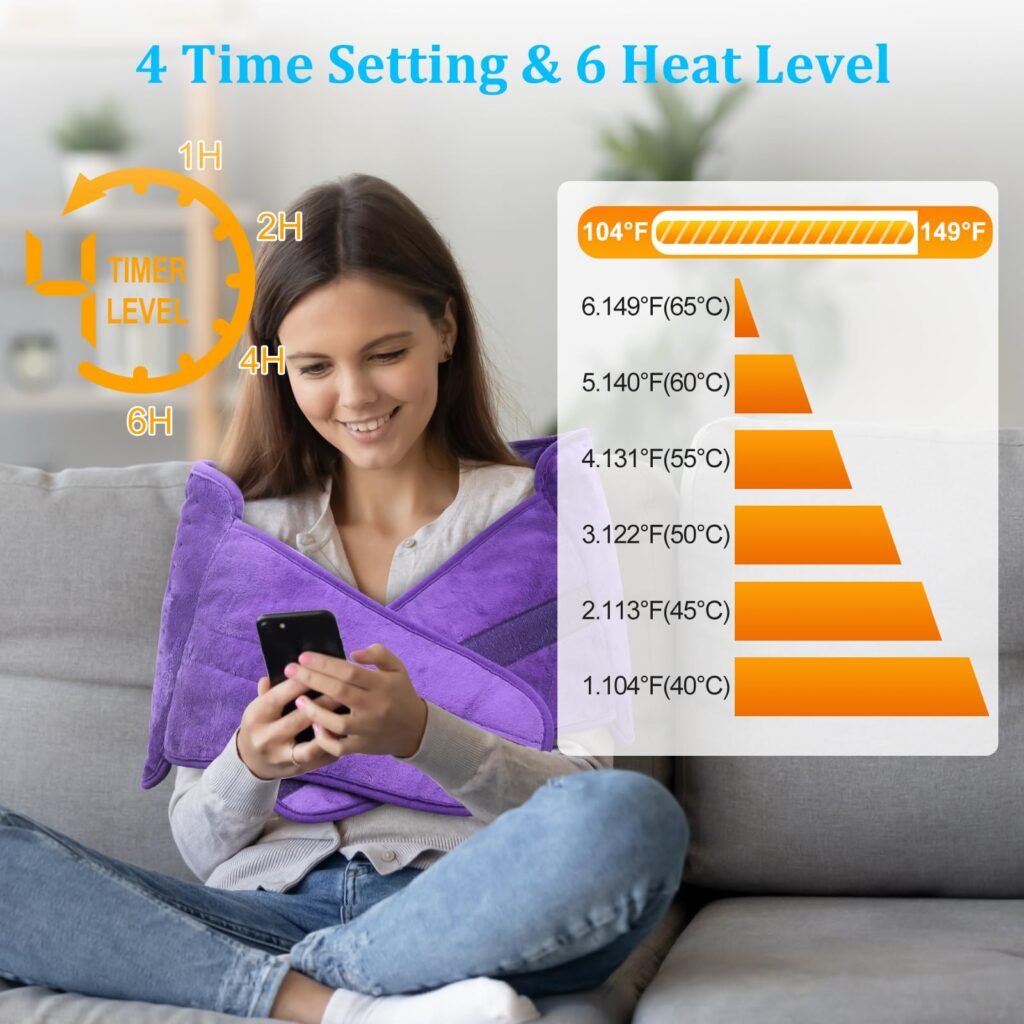
How Long Should You Use a Heating Pad for Back Pain?
The correct heating pad duration depends on your comfort level and the type of pain you are experiencing.
However, most experts recommend short sessions with breaks between them.
The 15–20 Minute Standard Session
A typical heating pad session should last 15 to 20 minutes.
This amount of time allows heat to penetrate muscles without overheating the skin. If you are new to heat therapy, start with shorter sessions and increase gradually.
Always follow the instructions provided with your heating pad.
If you’re trying to choose the right heating pad, you may also want to read our guide on best heating pad for lower back pain.
Recommended Frequency During the Day
You can safely use a heating pad three to four times per day.
Make sure to allow at least 30 minutes between sessions so your skin has time to cool down.
Common times people use heat therapy include:
- Morning to reduce stiffness
- Before physical activity
- After exercise or long sitting periods
- Evening to relax muscles before sleep
Adjusting Duration Based on Pain Type
Different types of pain may respond differently to heat.
- Muscle stiffness: 15–20 minutes works well
- Chronic tension: gentle longer sessions may help
- Surface soreness: shorter sessions may be enough
If discomfort increases or skin becomes irritated, stop using heat and allow the area to cool.
What Happens If You Use It Too Long
Using a heating pad for extended periods can cause problems such as:
- Skin irritation
- Burns
- Reduced skin sensitivity
- Dizziness due to excessive heat
Heat therapy should be used as a supportive tool, not continuously throughout the day.
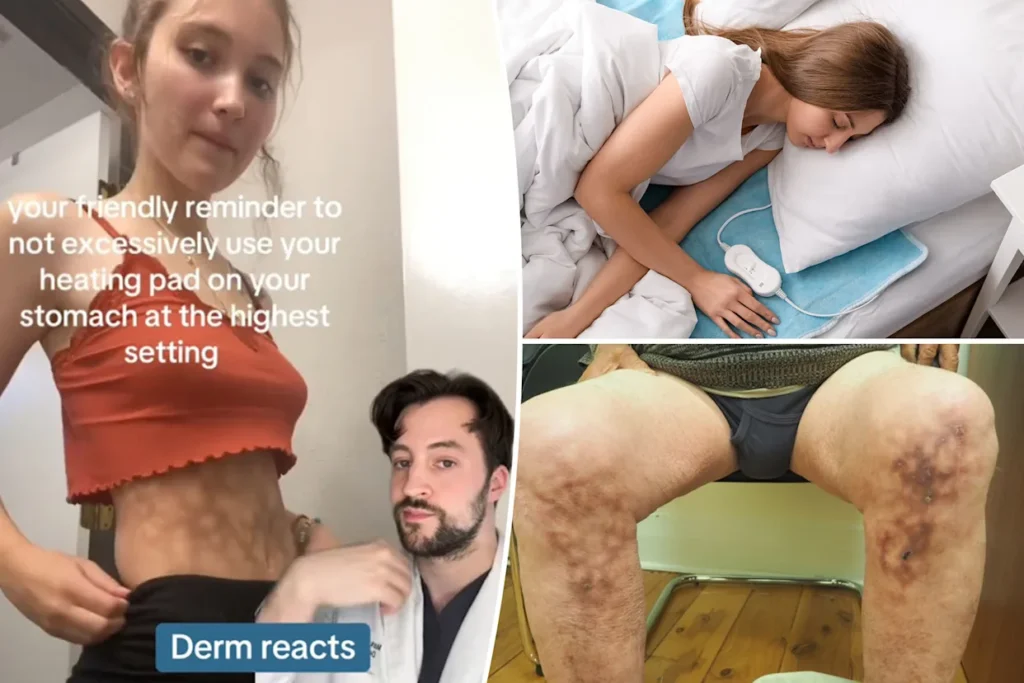
Essential Safety Precautions to Prevent Injury
Using a heating pad safely is important for avoiding burns and skin irritation.
Choose the Correct Temperature
Start with the lowest heat setting and increase only if necessary.
| Temperature | Use |
|---|---|
| Low | Sensitive areas |
| Medium | Standard therapy |
| High | Short-term use only |
Never Fall Asleep With a Heating Pad
Falling asleep while using heat increases the risk of burns.
If you use heat therapy at night, choose a heating pad with an automatic shut-off timer.
Protect Your Skin
Always place a cloth or towel barrier between the heating pad and your skin.
This distributes heat more evenly and protects against burns.
Who Should Avoid Heating Pads
Certain people should speak with a healthcare professional before using heat therapy.
This includes individuals with:
- Diabetes
- Circulation problems
- Sensitive skin
- Pregnancy

Effective Application Techniques for Maximum Relief
Using heat therapy correctly can significantly improve results.
Best Positions for Lower Back Pain
The most comfortable position is often lying on your back with a pillow under your knees. This reduces pressure on the spine while allowing heat to reach tight muscles.
Another option is lying on your side with a pillow between your knees to maintain spinal alignment.
Targeting Upper and Middle Back Pain
For upper back tension, sit upright and place the heating pad between your shoulder blades.
Maintaining proper posture helps heat penetrate the muscles more effectively.
Pair Heat With Gentle Stretches
After using heat therapy, gentle stretching can help muscles relax even further.
Simple movements like shoulder rolls or slow torso twists can reduce stiffness and improve mobility.
For a complete guide to safe heat therapy routines, read this helpful article.
how to use a heating pad safely
Daily Habits That Improve Heating Pad Results
Heat therapy works best when combined with healthy daily habits.
Maintain Proper Posture
Good posture helps reduce pressure on your spine throughout the day.
Try to:
- Sit with feet flat on the floor
- Keep shoulders relaxed
- Avoid slouching while working
Stay Hydrated
Water helps muscles recover and function properly. Dehydration can increase muscle fatigue and stiffness.
Aim to drink 8–10 glasses of water per day.
Adjust Sleep Position
Sleeping positions affect spinal health.
For better support:
- Use a supportive mattress
- Place a pillow under knees when sleeping on your back
- Avoid sleeping on your stomach
Incorporate Gentle Movement
Low-impact activities such as walking, stretching, or yoga help maintain flexibility and reduce stiffness.
Combining movement with heat therapy can improve overall comfort.
Conclusion
Heating pads can be a simple and effective way to relieve back discomfort when used correctly.
Most people benefit from 15–20 minute sessions, repeated a few times per day with breaks between applications.
Combining heat therapy with healthy habits such as good posture, hydration, and gentle stretching can improve results even further.
If pain persists or worsens, speaking with a healthcare professional can help identify the underlying cause.
PathwayToRelief.com provides educational wellness information only and does not offer medical advice. Always consult a qualified healthcare professional before making changes to your health routine.