Ever feel stiff, sore, or almost “locked up” when you first wake up?
You’re not imagining it — morning lower back pain is extremely common, and surprisingly, sleep is often the reason.
Many people blame their chair, work, or aging. But the real cause usually happens during the 6–8 hours you are lying still.
The good news: most morning back pain is not permanent damage.
It’s a mechanical issue — and small changes can dramatically reduce it.
This guide explains why your lower back hurts more in the morning and the simple fix most people never realize.
Key Takeaways
- Sleeping position directly affects spinal alignment
- Spinal discs swell overnight causing stiffness
- Poor mattress support worsens morning pain
- Gentle morning movement reduces inflammation
- Proper pillow placement often fixes the problem
Understanding Morning Lower Back Pain
Morning lower back pain happens because your spine behaves differently while you sleep than while you are awake.
During the night:
• muscles relax
• joints stiffen
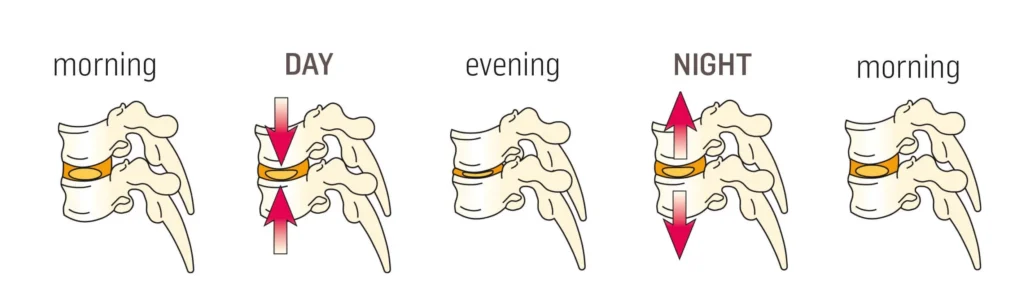
• spinal discs absorb fluid
• circulation slows
When you stand up too quickly, the spine suddenly takes body weight again — and pain appears.
Why Your Lower Back Hurts More in the Morning
1. Disc Rehydration
While you sleep, spinal discs absorb fluid and slightly expand.
This is healthy — but it also makes them more sensitive to pressure right after waking.
That’s why bending forward immediately after getting out of bed often hurts.
2. Nighttime Inflammation
Your body repairs tissues during sleep, and that healing process creates mild inflammation and stiffness — especially in the lower back.
Because of this, gentle warmth can help loosen tight muscles and improve circulation when you first wake up. This is why many people notice relief after applying heat in the morning. If you’re unsure about proper temperature or timing, learn how to use a heating pad safely to avoid irritating sensitive tissues.
3. Poor Sleep Posture
Sleeping incorrectly twists the spine for hours.
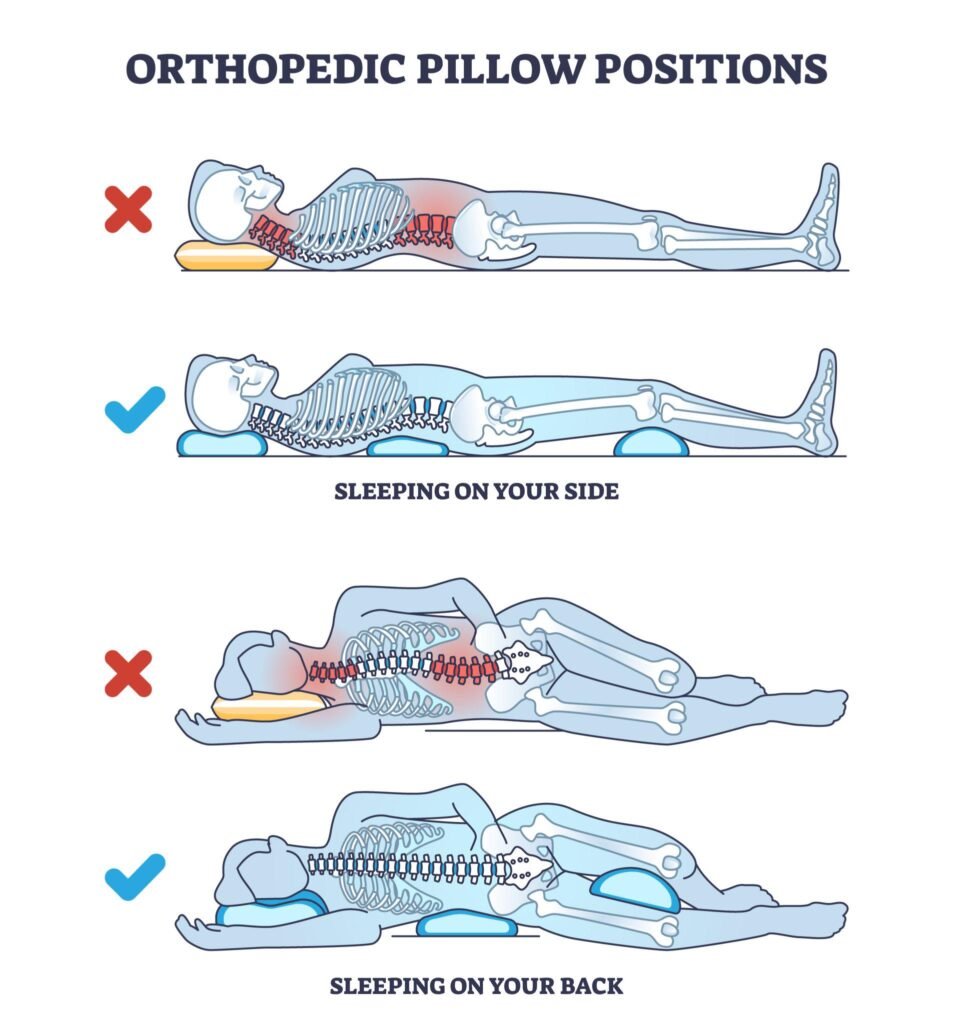
Worst position:
• stomach sleeping
Better positions:
• back with pillow under knees
• side with pillow between knees
The Simple Fix Most People Miss
It’s not medication.
It’s not expensive therapy.
It’s spinal support during sleep.
Two changes solve a large percentage of morning back pain:
1. Pillow Support
Back sleepers → pillow under knees
Side sleepers → pillow between knees
This keeps the lumbar spine neutral.
2. Do NOT Stand Up Immediately
The biggest mistake people make:
They wake up → sit up fast → stand up → pain spike.
Your discs are pressurized.
Instead:
- Roll onto your side
- Push up with your arms
- Sit for 20–30 seconds
- Then stand
Immediate Relief: The 3-Minute Morning Routine
Before leaving bed, do this:
Knee to chest stretch – 20 seconds each side
Pelvic tilts – 10 reps
Gentle trunk rotation – 10 reps

Long-Term Prevention
To stop morning pain returning:
• stay hydrated
• strengthen your core
• avoid sleeping on your stomach
• stretch hips and hamstrings daily
• maintain posture during the day
Morning pain is often the first warning sign of a weak core and tight hips — not a serious injury.
Morning stiffness and daytime sitting pain are usually connected. When you sit for long periods, your hip flexors tighten and your lower back muscles stay under constant pressure. Overnight, those same tissues stiffen even more, which is why symptoms are often worse when you wake up. If you notice soreness after desk work, it helps to understand why your lower back hurts after sitting and how posture during the day affects your sleep recovery.
Conclusion
Morning lower back pain feels scary, but most of the time it is mechanical, not permanent damage.
By improving sleep posture, using proper pillow support, and moving slowly when waking, many people notice improvement within days.
Consistency matters more than intensity.
Small daily changes retrain your spine and reduce inflammation over time.
Medical Disclaimer:
This article is for informational and educational purposes only and does not constitute medical advice. Always consult a qualified healthcare professional before starting any treatment, exercise, or pain-relief routine, especially if symptoms persist or worsen.
Why does my back hurt only in the morning?
Because spinal discs swell overnight and muscles stiffen during sleep. When you stand up, pressure returns to the spine, creating pain.
Is a soft or firm mattress better?
Most people benefit from a medium-firm mattress that keeps the spine neutral.
Should I stretch immediately after waking?
Yes — but gently and while still in bed. Avoid bending forward right away.
Can dehydration cause back pain?
Yes. Spinal discs need water to stay flexible and absorb pressure properly.