If your lower back feels stiff, sore, or difficult to move when you first get out of bed, you’re far from alone.
Many people notice that the first few minutes of the morning are the most uncomfortable part of the day. Walking feels awkward, bending over is difficult, and even standing upright can take a few minutes.
The encouraging news is that, for many people, morning stiffness is related to normal changes that occur while you sleep—not necessarily a serious back condition.
A gentle five-minute routine can help increase circulation, loosen tight muscles, activate the muscles that support your spine, and prepare your body for the day ahead.
The key isn’t exercising harder—it’s moving consistently.
Key Takeaways
- Morning stiffness is often caused by reduced movement during sleep.
- Gentle stretching helps improve flexibility without placing extra stress on the spine.
- Activating your core supports your lower back throughout the day.
- Drinking water after waking may help your spinal discs stay properly hydrated.
- Small daily habits often produce better long-term results than occasional intense workouts.
Why Does Lower Back Pain Feel Worse in the Morning?
Many people worry that waking up stiff means their back is getting worse. In reality, several completely normal processes happen overnight that can temporarily increase discomfort.
Your Muscles Have Been Inactive for Hours
While you sleep, the muscles that support your spine spend hours in relatively the same position.
Less movement means:
- Reduced circulation
- Tight muscles
- Stiff connective tissues
- Less joint lubrication
When you first begin moving, your body gradually warms these tissues, allowing them to become more flexible.
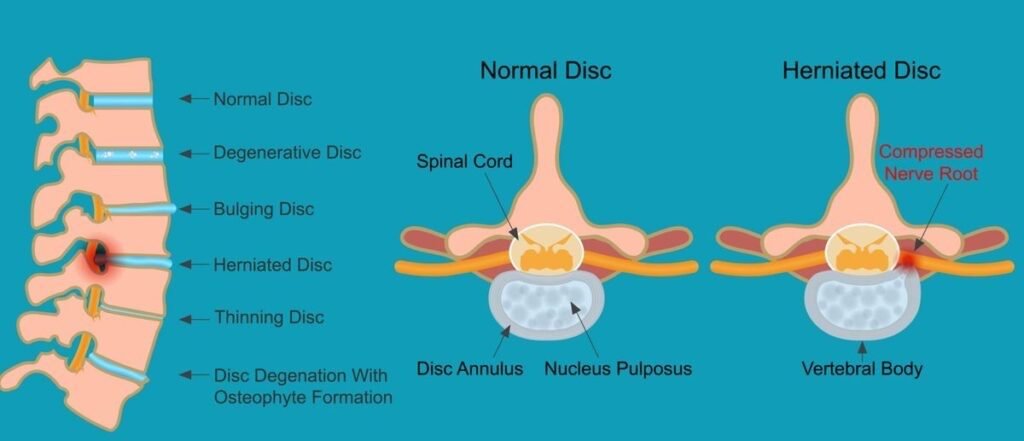
Your Spinal Discs Change Overnight
The discs between your vertebrae act as natural shock absorbers.
During the night they absorb fluid, becoming slightly fuller than they are later in the day.
Although this is a healthy and normal process, it can make your lower back feel tight until you begin moving.
Sleeping Position Can Increase Morning Pain
The position you sleep in can also affect how your back feels when you wake up.
Some common problems include:
- Sleeping on your stomach, which can increase pressure on the lower back.
- Sleeping on your side without enough support between your knees.
- Sleeping on your back without support beneath your knees, allowing the lower spine to flatten.
If you’re unsure which sleeping position may work best, read our guide:
Best Sleeping Positions for Lower Back Pain
Mild Overnight Dehydration
Your spinal discs contain a significant amount of water.
After several hours without drinking fluids, your body naturally becomes slightly dehydrated.
Although this isn’t usually severe, drinking water soon after waking helps support normal body function and overall hydration.
Your 5-Minute Morning Routine
The goal is to wake up your muscles—not push through pain.
Move slowly and stay within a comfortable range of motion.

Minute 1: Gentle Bed Stretches
Before jumping out of bed, spend one minute loosening your back.
Double Knee-to-Chest Stretch
Bring one or both knees toward your chest.
Hold for 20–30 seconds.
Benefits include:
- Gently stretching lower back muscles
- Reducing tightness
- Improving mobility
Pelvic Tilts
Lie on your back with your knees bent.
Flatten your lower back gently against the bed.
Repeat 10–15 times.
Pelvic tilts help wake up the muscles that stabilize your spine.
Gentle Spinal Twist
Keep your shoulders flat while slowly rotating your knees to each side.
Hold for 20–30 seconds.
This movement helps improve mobility through your lower back and hips.
Minutes 2–3: Standing Mobility Exercises
Once you’re standing, continue warming up your joints.
Standing Cat-Cow
Place your hands on your thighs.
Slowly round your back before gently arching it.
Repeat 5–10 times.
This encourages smooth movement through the entire spine.
Torso Rotations
Rotate your upper body comfortably from side to side.
Avoid fast twisting.
Complete 10 slow repetitions.
Hip Circles
Place your hands on your hips.
Move your hips in slow circles.
This helps loosen muscles that often contribute to lower back stiffness.
Bent-Knee Forward Fold
With your knees slightly bent, lean forward only as far as comfortable.
Hold for 20 seconds.
Avoid forcing the stretch.
Minutes 4–5: Activate Your Core
Strong support muscles help reduce strain on the lower back during everyday activities.
Gentle Core Bracing
Stand tall.
Tighten your abdominal muscles as though preparing for a gentle poke.
Hold for five seconds.
Repeat ten times.
This activates your deep core muscles without stressing your spine.
Wall Angels
Stand with your back against a wall.
Slowly raise and lower your arms while keeping contact with the wall.
Perform 5–10 repetitions.
This improves posture while strengthening the upper back.
Finish with Good Posture
Before walking away:
- Relax your shoulders.
- Keep your head over your shoulders.
- Engage your core gently.
- Drink a full glass of water.
Starting your day with good posture can help reduce unnecessary stress on your lower back.
Recommended Products That May Support Your Morning Routine
While daily movement should be your first priority, some people find these products helpful for improving comfort and supporting healthy back habits.
Orthopedic Knee Pillow
If you sleep on your side, a knee pillow can help keep your hips and spine aligned throughout the night, which may reduce morning stiffness.
👉 Check Today’s Price on Amazon
Common Morning Habits That Can Make Back Pain Worse
Many people accidentally increase their discomfort before leaving the house.
Try to avoid:
- Jumping out of bed too quickly
- Bending forward immediately after waking
- Looking down at your phone for long periods
- Slouching while eating breakfast
- Twisting while lifting laundry or pets
- Carrying heavy bags first thing in the morning
Small improvements in your morning routine can make a noticeable difference over time.
Lifestyle Habits That Support a Healthier Back
Your morning routine works best when combined with healthy daily habits.
Consider:
- Walking regularly throughout the day
- Taking movement breaks if you sit for long periods
- Maintaining a healthy body weight
- Practicing good posture while working
- Sleeping on a supportive mattress
- Staying physically active
Even five to ten minutes of daily movement can help reduce recurring stiffness.
Helpful Products That May Improve Morning Comfort
Some people find additional relief by combining gentle movement with supportive home products.
Depending on your needs, you may benefit from:
- Orthopedic knee pillows for side sleepers
- Lumbar support cushions
- Medium-firm mattresses
- Heating pads used before activity (following safety guidelines)
- Massage guns used gently on surrounding muscles
- Foam rollers for light mobility work
Choose products that complement healthy movement rather than replace it.
Heating Pad
Applying gentle heat for 10–15 minutes before stretching may help relax tight muscles and make your morning routine more comfortable.
👉 Check Today’s Price on Amazon
Lumbar Support Cushion
If you spend hours sitting at work, a lumbar support cushion can help maintain better posture and reduce strain after your morning routine.
👉 Check Today’s Price on Amazon
Helpful Products for Better Daily Comfort
Good daily habits make the biggest difference, but these products may provide additional support as part of a healthy routine.
- Orthopedic Mattress Topper
- Foam Roller
- Massage Gun
- Ergonomic Office Chair
- Seat Cushion
👉 Check Today’s Prices on Amazon
When Should You See a Healthcare Professional?
Morning stiffness is common, but certain symptoms deserve prompt medical attention.
Seek medical evaluation if you experience:
- Severe or worsening pain
- Pain following a fall or injury
- Weakness in one or both legs
- Persistent numbness or tingling
- Loss of bladder or bowel control
- Fever, unexplained weight loss, or pain that doesn’t improve with rest
These symptoms may indicate a more serious condition requiring medical care.
Frequently Asked Questions
Should I stretch before getting out of bed?
Gentle stretching while still lying down may help reduce stiffness for many people. Avoid any movement that increases pain.
Is walking good for morning lower back pain?
Yes. A short walk after your routine can increase circulation, loosen muscles, and help your back continue warming up naturally.
Should I use heat before stretching?
Many people find that applying gentle heat for 10–15 minutes before stretching helps relax tight muscles. Follow the manufacturer’s safety instructions and avoid falling asleep with a heating pad.
How long does it take to notice improvement?
Some people feel better immediately after moving, while lasting improvement often comes from performing the routine consistently over several weeks.
Related Articles
Continue learning with these helpful guides:
Best Sleeping Positions for Lower Back Pain
Why Lower Back Pain Is Worse in the Morning
Morning Stretches for Lower Back Pain Relief
How to Sit Without Lower Back Pain
How to Use a Heating Pad for Lower Back Pain
Heat vs. Ice for Lower Back Pain
Conclusion
Morning lower back stiffness can be frustrating, but it often responds well to simple daily habits. A few minutes of gentle movement, core activation, good posture, and proper hydration can help your body transition from sleep to activity more comfortably.
Rather than waiting for discomfort to fade on its own, make this five-minute routine part of your morning. Over time, those small, consistent actions may help reduce stiffness, improve mobility, and make everyday activities feel easier.
Medical Disclaimer
This article is intended for informational and educational purposes only and should not be considered medical advice. Always consult a qualified healthcare professional before starting a new exercise program or making changes to your treatment plan, especially if you have persistent pain, a medical condition, or a recent injury. Stop exercising and seek medical care if your symptoms worsen or you experience severe pain, numbness, weakness, or loss of bladder or bowel control.