Are you tired of using medication for chronic pain? You’re not alone. Millions of people worldwide are looking for other ways to ease their pain. Luckily, there are many effective natural methods to help.
This article will look at the best natural ways to manage pain without drugs. You’ll learn about lifestyle changes and holistic therapies. By knowing these options, you can start living a life free from chronic pain.
Key Takeaways
- Discover the most effective natural pain relief methods backed by evidence.
- Learn how lifestyle changes can significantly impact pain management.
- Explore holistic therapies that offer relief without medication.
- Understand the importance of an evidence-informed approach to pain relief.
- Find out how to start implementing these methods in your daily life.
Understanding Pain: Types and Mechanisms
To manage pain well, we must first understand it. Pain is complex and can take many forms. It’s key to find and fix the main causes.
Acute vs. Chronic Pain
Pain falls into two main categories: acute and chronic. Acute pain is short-lived and usually comes from injuries or surgery. Chronic pain, on the other hand, lasts longer and is harder to manage. Knowing the difference helps us find better ways to ease pain.
How Pain Signals Work in the Body
Pain signals travel through our nervous system. This involves a mix of nerve cells and chemicals. When we feel pain, chemicals send a signal to our brain, where it’s seen as pain.
The Mind-Body Connection in Pain Perception
The mind and body are closely linked in how we feel pain. Stress and anxiety can make pain worse. But, meditation and mindfulness can help ease it. It’s important to understand this connection for effective pain management.
Several things affect how we perceive pain, including:
- Emotional state
- Past experiences
- Expectations and beliefs
By knowing these factors and how pain works, we can find better ways to manage it. This includes using non-pharmacological techniques.
Evidence-Based Physical Approaches to Pain Management
Exploring physical approaches can help manage pain and improve well-being. Physical therapies offer various techniques tailored to individual needs. They play a key role in pain management.
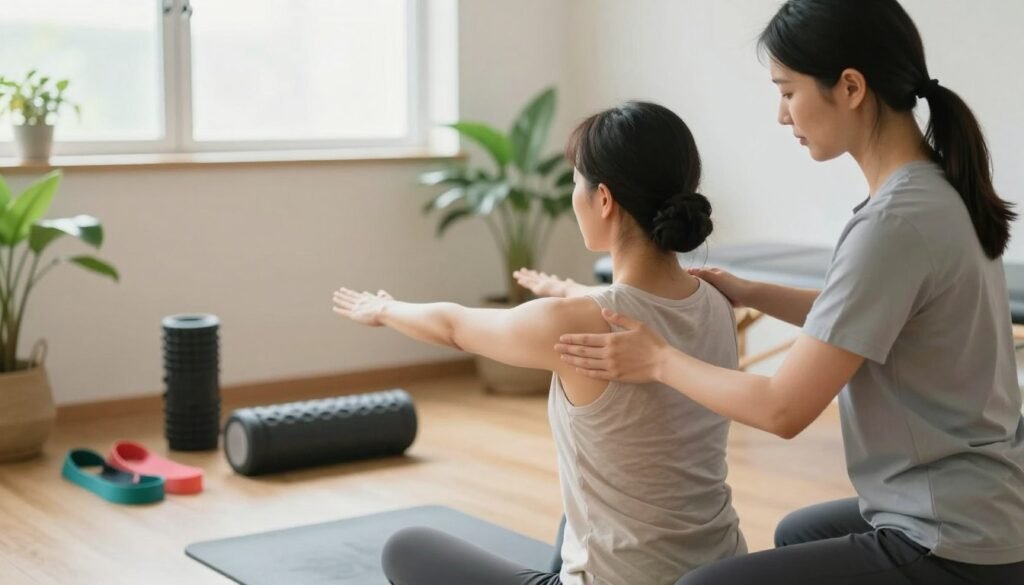
Movement Therapies: Yoga, Tai Chi, and Gentle Exercise
Movement therapies like yoga, tai chi, and gentle exercise are effective for pain management. They improve flexibility, strength, reduce stress, and enhance mental well-being.
- Yoga combines postures, breathing, and meditation to ease pain and promote relaxation.
- Tai Chi’s slow movements improve balance and reduce pain in chronic conditions.
- Gentle exercises like swimming or cycling are low-impact and adaptable, providing pain relief without strain.
Heat and Cold Therapy Applications
Heat and cold therapy are simple yet effective for pain management. Heat relaxes muscles and increases blood flow. Cold reduces inflammation and numbs pain.
Heat Therapy: Suitable for chronic pain, heat therapy uses warm towels, heating pads, or baths to relax muscles and soothe pain.
Cold Therapy: Cold packs or ice wrapped in a cloth reduce swelling and ease pain, ideal after injuries or during acute pain episodes.
Some people find that simple heat-based comfort tools can help promote relaxation and ease everyday stiffness as part of a natural routine. You can explore commonly used options here.
👉 View heating pad options on Amazon
Physical Therapy and Targeted Stretching
Physical therapy is a key part of pain management. It involves personalized exercise programs to improve mobility, strength, and function.
Stretches for Back Pain
- The knee to chest stretch relieves lower back tension.
- Cat-cow stretches improve flexibility and reduce back pain.
- Pelvic tilts strengthen core muscles and alleviate discomfort.
Exercises for Joint Pain
- Range of motion exercises maintain joint mobility.
- Strengthening exercises, like resistance band workouts, support joints and reduce pain.
- Low-impact aerobic exercises, such as walking or water aerobics, improve joint health without stress.
Massage and Manual Therapies
Massage therapy and manual therapies provide significant pain relief. They target tense muscles, improve circulation, and promote relaxation.
Techniques like deep tissue massage, myofascial release, and trigger point therapy are effective for chronic pain and improving physical function.
Natural Pain Relief Methods That Actually Help: Nutritional and Supplemental Approaches
More and more research shows that certain foods and supplements can help with pain. It’s key to know how these methods fit into a full pain relief plan.
For readers looking to support daily comfort naturally at home, some explore simple heat-based tools designed for everyday relaxation and ease.
👉 Explore natural comfort tools on Amazon
Anti-Inflammatory Foods and Dietary Patterns
Some foods and diets can fight inflammation, which helps with pain. Diets full of fruits, veggies, and omega-3s can reduce inflammation and improve pain. Adding these foods to your diet is a smart move for managing pain.
Here are some anti-inflammatory foods:
- Fatty fish like salmon and sardines
- Nuts and seeds, such as walnuts and chia seeds
- Fruits like berries and cherries
- Leafy greens, including spinach and kale
Evidence Behind Common Natural Supplements
Many natural supplements have been studied for pain relief. These include:
Turmeric and Curcumin
Turmeric, used in Indian cooking, has curcumin, which fights inflammation and is antioxidant. Curcumin has been proven to reduce pain and inflammation in studies. It’s a top choice for pain management.
Omega-3 Fatty Acids
Omega-3s, found in fish and supplements, have anti-inflammatory effects. They can help lower pain perception.
Magnesium
Magnesium is important for muscle and nerve function. Magnesium deficiency can make pain worse. Taking magnesium can help those with deficiency.
Hydration and Pain Management
Drinking enough water is vital for health and pain management. Dehydration can make pain worse by causing muscle cramps and increased sensitivity. Drinking enough water is a simple way to manage pain.
In summary, natural methods like certain foods, supplements, and staying hydrated offer many options for pain management. By using anti-inflammatory foods, natural supplements, and drinking enough water, you can create a solid plan to reduce pain.
Mind-Body Techniques for Pain Relief
The mind and body are closely linked in how we feel pain. Using this connection can help us find relief without drugs. There are many ways to manage pain without medication.
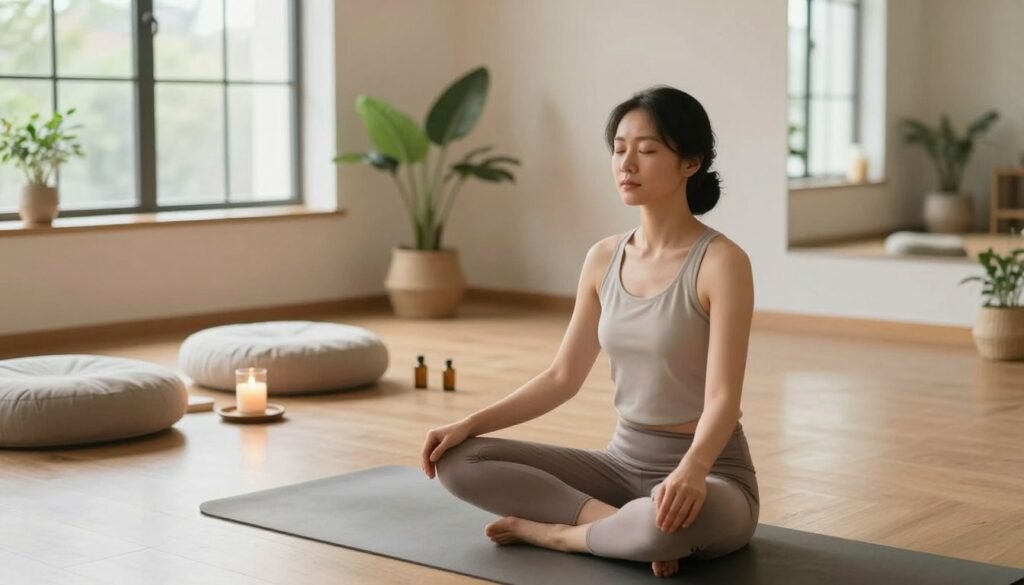
Meditation and Mindfulness Practices
Meditation and mindfulness can make us more resilient to pain. They help our brains handle pain better and reduce emotional stress. Regular practice can greatly reduce chronic pain.
Mindfulness meditation helps us stay in the present. It makes pain less of a burden in our daily lives.
Breathing Techniques for Pain Management
Breathing methods, like diaphragmatic breathing, can ease pain. They help us relax and lower stress. These methods are easy and effective for pain relief.
Sleep Optimization Strategies
Good sleep is key to managing pain. Keeping a regular sleep schedule and creating a comfy sleep space helps. Relaxation before bed also plays a big role.
Stress Reduction Methods
Stress makes pain worse, so it’s important to reduce it. Yoga, progressive muscle relaxation, and visualization can help. They lessen stress and, in turn, pain.
| Mind-Body Technique | Description | Benefits for Pain Relief |
|---|---|---|
| Meditation | Practice of focusing the mind | Increases pain tolerance, reduces emotional reactivity |
| Breathing Techniques | Methods to control breathing patterns | Promotes relaxation, reduces stress |
| Sleep Optimization | Strategies to improve sleep quality | Enhances pain management, overall well-being |
Conclusion: Creating Your Personalized Natural Pain Management Plan
Creating a personalized pain management plan means looking at different natural ways to find what works for you. The methods we talked about, like physical therapies and mind-body techniques, help manage pain in a holistic way.
Using natural pain relief methods like yoga and meditation can help you create a plan that fits your needs. These approaches understand that pain is not just physical but also emotional and psychological. This gives a deeper look into pain.
Trying out these natural pain relief strategies can help you take charge of your pain management. It can improve your overall well-being and quality of life. By taking a personalized approach, you can better handle pain and live a healthier, more balanced life.
Affiliate Disclosure:
As an Amazon Associate I earn from qualifying purchases. This article may contain affiliate links, which means I may earn a commission at no extra cost to you.