
Back pain is one of the most common reasons people seek medical care. Most Americans experience lower back discomfort at some point in their lives, and it can make everyday tasks feel more difficult than they should.
Finding effective relief is key to improving daily comfort and maintaining mobility. While medication is often used, many people look for natural, drug-free approaches they can use at home.
Looking into holistic back pain relief can help improve daily comfort and support long-term back health. Below, we’ll explore practical, home-based methods that may help reduce discomfort and support overall well-being.
Key Takeaways
- Understanding why back pain develops helps guide effective relief strategies
- Many natural methods can help ease back pain at home
- Lifestyle habits play a major role in long-term back health
- Small daily adjustments can significantly reduce strain
- Consistent movement and supportive environments matter
Understanding the Root Causes of Back Pain
It’s important to understand why back pain occurs in order to manage it effectively. Back discomfort can stem from multiple factors, and identifying the underlying causes helps guide better daily habits and prevention strategies.
Common Causes of Back Pain
Poor Posture and Alignment Issues
Poor posture places uneven stress on the spine, muscles, and joints. Slouching, prolonged sitting, or improper workstation setup can gradually lead to discomfort and stiffness. Maintaining proper alignment during daily activities can reduce unnecessary strain.
Inflammation and Muscle Tension
Inflammation may result from overuse, injury, or prolonged physical stress. Muscle tension often develops from repetitive movements or poor posture. Gentle stretching, movement, and rest can help manage these issues.
Impact of Daily Habits on Back Health
Habits such as long periods of sitting, improper lifting, and lack of movement can negatively affect spinal health. Becoming aware of these patterns and making small changes can support long-term comfort.
Morning Routines to Start Your Day Pain-Free

Starting the day with simple, supportive habits can help reduce stiffness and prepare your body for movement throughout the day.
Gentle Wake-Up Stretches for Immediate Relief
Light stretches can help loosen tight muscles and improve flexibility. Movements such as knee-to-chest stretches, pelvic tilts, and gentle cat-cow motions are commonly used to ease morning stiffness. Always move slowly and stop if discomfort increases.
Proper Hydration for Spinal Disc Health
Spinal discs rely on hydration to maintain cushioning and flexibility. Drinking water in the morning supports disc health and may help reduce tension throughout the spine.
Anti-Inflammatory Breakfast Choices
An anti-inflammatory breakfast can support overall wellness. Foods such as berries, nuts, and leafy greens provide nutrients that help support joint and muscle health.
| Food | Benefits |
|---|---|
| Berries | Rich in antioxidants that support inflammation control |
| Nuts | Contain healthy fats that support joint health |
| Leafy Greens | Provide fiber and nutrients that support overall wellness |
Effective Stretches and Movements for Back Pain Relief
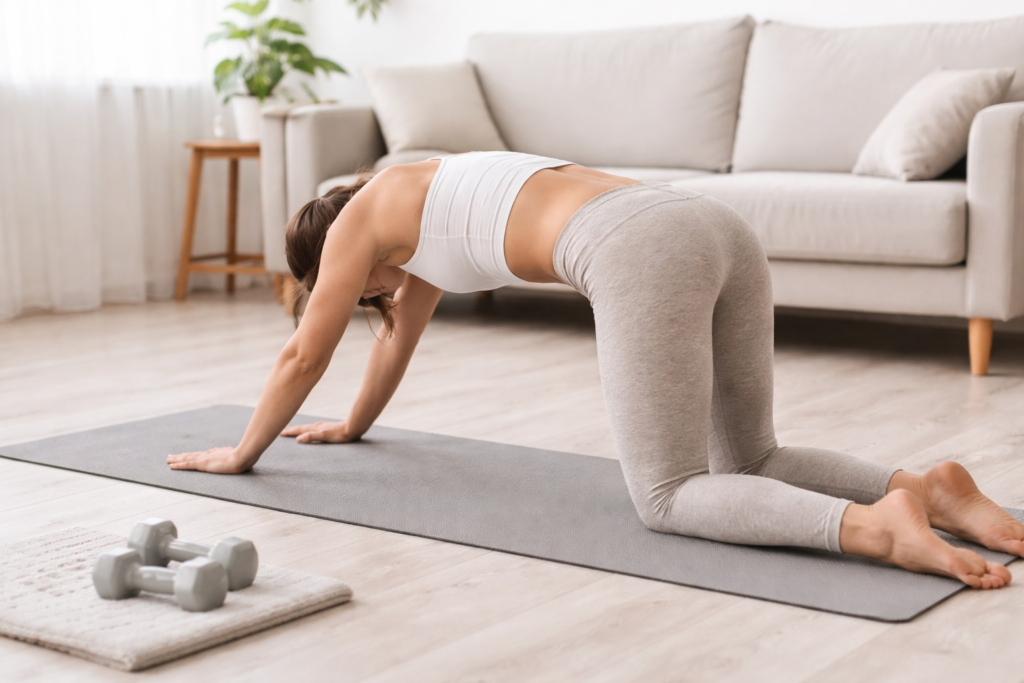
Targeted movement helps improve flexibility and strengthens muscles that support the spine.
5-Minute Stretching Routine for Immediate Relief
Short stretching routines can help reduce tightness. Gentle knee-to-chest movements, pelvic tilts, and slow spinal mobility exercises may help relax muscles and improve circulation.
Core-Strengthening Exercises for Long-Term Support
Core muscles provide stability for the spine. Exercises such as planks, bridges, and controlled pelvic movements help support posture and reduce strain over time.
Proper Form and Safety Considerations
Using proper form is essential to avoid injury. Movements should feel controlled and comfortable. If pain increases or becomes sharp, stop and consult a qualified professional.
| Exercise | Repetitions | Benefits |
|---|---|---|
| Knee-to-Chest Stretch | 5–10 | Relaxes lower back muscles |
| Plank | 3 sets of 30 seconds | Builds core stability |
| Cat-Cow Stretch | 5–10 | Improves spinal mobility |
Sleep Positions and Bedtime Practices
[IMAGE 4 – SLEEP / BEDROOM IMAGE]
Place directly under this heading
_Image suggestion: minimalist bedroom, soft lighting, neutral colors, no people*
Sleep quality and posture during rest significantly affect back health.
Optimal Sleep Positions for Different Types of Back Pain
Side sleeping with a pillow between the knees may help keep the spine aligned. Back sleepers may benefit from placing a pillow under the knees to reduce lower-back tension.
Pillow Placement Techniques for Support
Strategic pillow placement helps maintain natural spinal alignment and reduces overnight strain.
Additional Natural Ways to Relieve Back Pain at Home
Choosing supportive home habits can further reduce discomfort and prevent flare-ups.
Mattress Support and Sleep Surface Selection
A mattress that is too soft or too firm may increase discomfort. Many people find that a medium-firm mattress provides balanced support without excessive pressure.
Heat and Ice Therapy: When to Use Each
Heat therapy may help relax muscles and improve circulation, while ice therapy can help reduce inflammation after strain. Alternating between the two may be helpful for some individuals.
The Healing Power of Regular Walking
Walking promotes circulation, improves posture, and supports spinal flexibility. Even short daily walks can contribute to improved back comfort.
Self-Massage Techniques for Tight Muscles
Gentle self-massage using foam rollers or massage balls may help release muscle tension and promote relaxation.
Creating a Back-Friendly Environment
[IMAGE 5 – ERGONOMIC WORKSPACE IMAGE]
Place directly under this heading
_Image suggestion: ergonomic desk setup, clean workspace, neutral tones*
Small changes to your environment can make a significant difference.
Ergonomic Workspace Setup
Adjust chair height so feet rest flat on the floor. Position screens at eye level and maintain neutral posture to reduce strain during desk work.
Proper Lifting and Movement Techniques
Bending at the knees and keeping objects close to the body helps reduce stress on the spine. Avoid twisting while lifting.
Supportive Furniture Choices for Home
Supportive chairs, adjustable desks, and proper mattresses all contribute to better spinal alignment.
| Furniture | Features to Look For |
|---|---|
| Chair | Lumbar support, adjustable height |
| Mattress | Medium-firm support |
| Desk | Adjustable height, ergonomic design |
Conclusion: Listening to Your Body
Listening to your body and making supportive lifestyle choices can help reduce back discomfort over time. Consistent habits such as movement, hydration, proper sleep posture, and ergonomic adjustments play a key role in maintaining comfort.
Small, intentional changes can lower the risk of chronic discomfort and support a more active, comfortable lifestyle.
Medical Disclaimer
This article is for educational and informational purposes only and is not intended as medical advice. Always consult a qualified healthcare professional before starting any new exercise, wellness routine, or treatment for back pain.