Are you tired of living with chronic pain that follows you everywhere, even at home? Could your daily habits be contributing to your discomfort? To manage pain well, you need to know what triggers it and make lifestyle changes.
Small changes in your daily routine can greatly improve your health and reduce pain levels. By finding and fixing common pain triggers at home, you start on the path to home pain relief and a better life.
Effective pain management at home is possible. With a few easy steps, you can lessen pain and boost your health.
Key Takeaways
- Understanding daily habits that contribute to pain is key.
- Making small lifestyle changes can greatly reduce pain.
- Identifying common pain triggers at home is the first step to relief.
- Effective pain management at home improves overall well-being.
- Simple strategies can alleviate discomfort and enhance health.
Understanding Common Pain Triggers at Home (And Simple Ways to Reduce Them)
Knowing what causes or makes pain worse at home is key to managing pain. Your home and daily habits can greatly affect your pain levels. Often, these effects are not obvious at first.
How Your Home Environment Affects Your Body
The design and conditions of your home can either help or hurt your pain. For example, poor ergonomics in your living or work areas can strain muscles and joints. Making sure your home supports good posture and reduces strain is vital for alleviating pain at home.
Identifying Hidden Pain Triggers in Daily Life
Even simple tasks like cooking or cleaning can have hidden pain triggers. Repetitive actions or heavy lifting can worsen existing pain. Spotting these triggers is the first step to managing them. Simple tweaks, like using ergonomic tools or changing how you do tasks, can help a lot.
- Be mindful of your posture during daily activities.
- Use tools and equipment that reduce strain.
- Take regular breaks to rest and stretch.
The Mind-Body Connection in Pain Perception
The connection between our mind and body affects how we feel pain. Stress and anxiety can make pain feel worse, creating a tough cycle to break. Practices like meditation, deep breathing, or yoga can help manage stress and lessen pain.
By understanding and tackling household pain triggers and using stress-reducing practices, you can make your home a more pain-friendly place.
Bedroom Setup and Sleep-Related Pain Factors
A well-designed bedroom is key for a good night’s sleep and pain management. The setup of our sleeping space greatly affects our comfort and pain levels. It’s important to know how different parts of the bedroom help us sleep well.
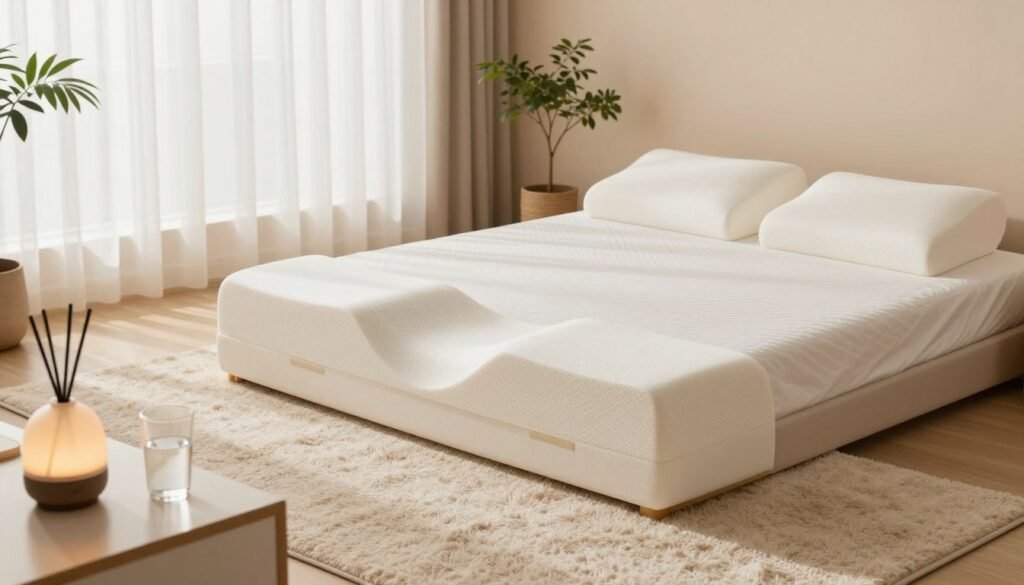
Some people find that making small adjustments at home and using general comfort-support tools can help reduce everyday strain and pressure on the body. You can explore commonly used options here.
👉 View comfort-support options on Amazon
Mattress and Pillow Considerations for Different Pain Types
Choosing the right mattress and pillows is vital for easing pain. For back pain, a firmer mattress supports the body well. For neck pain, a softer pillow helps reduce neck strain.
Key considerations for mattress selection:
- Firmness level
- Material (e.g., memory foam, innerspring)
- Support for spinal alignment
Pillows should also be picked for their neck support and comfort.
Optimal Sleep Positions for Back, Neck, and Joint Comfort
Sleeping in the right position can lessen pain. For back pain, sleeping on your back with a pillow under your knees is best. For neck pain, a supportive pillow and back or side sleeping are good choices.
“The way we sleep can either alleviate or exacerbate our pain levels,” says Dr. Sleep, a renowned sleep specialist.
Creating a Pain-Reducing Bedtime Routine
Having a bedtime routine signals to your body that it’s time to sleep, which can reduce pain. This routine can include reading, meditation, or a warm bath.
Temperature and Lighting Adjustments
Adjusting the bedroom temperature and lighting can make it sleep-friendly. A cooler room is better for sleep. Dimming the lights before bed helps regulate your body’s rhythms.
Pre-Sleep Relaxation Techniques
Using relaxation techniques before bed, like deep breathing or progressive muscle relaxation, can lower stress and pain. This helps you sleep better.
“A calm mind and body are key for pain-free sleep,”
By using these strategies, you can make your bedroom sleep-friendly. This can help reduce pain and improve your overall well-being.
Living Room and Leisure Space Modifications
Making simple changes to your living room and leisure areas can help ease pain. The way you arrange furniture and enjoy leisure activities can affect your comfort. By making a few thoughtful adjustments, you can make your space more pain-friendly.
Furniture Arrangement for Better Movement Flow
Changing how you arrange your furniture can reduce body strain. Think about how you move around in your living room. Make changes to make it easier to move.
- Create a clear path through the room, avoiding clutter and obstacles.
- Position furniture in a way that encourages good posture when sitting or standing.
- Use rugs or mats to define different areas within the room, promoting a sense of organization.
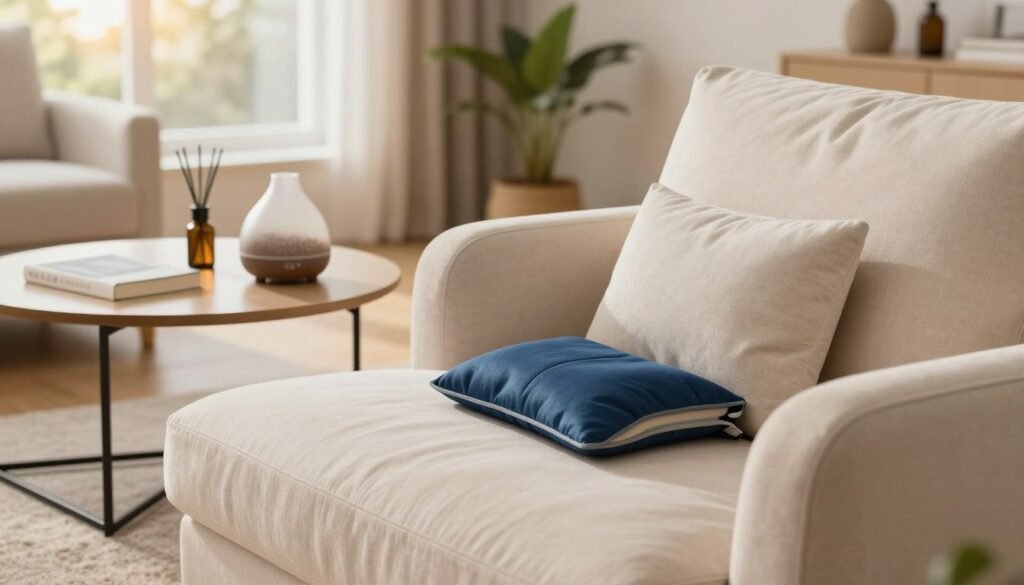
Seating Ergonomics for Pain Prevention
The way you sit can greatly affect your comfort. Choosing the right seating and maintaining good posture can help prevent pain.
- Opt for chairs and sofas with proper lumbar support to maintain the natural curve of your spine.
- Adjust the height of your seating to ensure your feet are flat on the floor or on a footrest, with your knees at or below hip level.
- Consider using ergonomic pillows or cushions to support your back and legs.
For readers looking to support daily comfort through simple, non-medical tools, some explore everyday posture and comfort aids designed for sitting, resting, and home use.
👉 Explore everyday comfort tools on Amazon
Entertainment Habits That May Trigger Discomfort
While leisure activities are key for relaxation, some habits can lead to discomfort or pain. Being aware of these habits can help you make necessary changes.
Screen Time Management
Too much screen time can cause eye strain, poor posture, and pain. Managing your screen time effectively is key.
- Follow the 20-20-20 rule: Every 20 minutes, look away from your screen and focus on something 20 feet away for 20 seconds.
- Adjust your screen’s brightness and contrast to comfortable levels for your eyes.
- Consider using blue light filtering glasses or apps that filter out blue light from screens.
Alternatives to Sedentary Activities
While some leisure activities involve sitting, adding more active alternatives can reduce pain risk from sitting too long.
- Engage in activities that encourage movement, such as dancing or playing interactive games.
- Take regular breaks to stretch or move around, even if you’re engaged in a sedentary activity.
- Consider activities that promote flexibility and strength, such as yoga or tai chi.
By making these modifications and being mindful of your habits, you can create a living room and leisure space that supports your comfort and well-being. This can reduce the risk of pain.
Home Office and Workspace Pain Prevention
A well-designed workspace can greatly reduce pain and discomfort. With more people working from home, it’s key to make your space both productive and comfortable.
Ergonomic Workstation Setup
Starting with an ergonomic workstation is essential. Adjust your chair, monitor, and keyboard to support good posture.
This setup lessens strain on your body, like your back, neck, and wrists.
Movement Breaks and Stretching
Regular movement breaks and stretches are vital. Simple desk exercises like shoulder rolls and wrist stretches can help.
Remember to stretch and move every 60 minutes.
Tech Tools for Comfort
Tech tools and accessories can make your workspace more comfortable. Think ergonomic keyboards, wireless mice, and document holders that support good posture and reduce eye strain.
Proper Device Positioning
Correctly placing your devices is key for comfort. Your monitor should be at eye level, and your keyboard right in front to avoid straining.
Lighting Considerations
Good lighting is critical for eye health. A desk lamp can provide the right light without causing glare on your screen.
| Ergonomic Tip | Benefit |
|---|---|
| Monitor at eye level | Reduces neck strain |
| Keyboard directly in front | Prevents reaching and straining |
| Regular movement breaks | Improves circulation and reduces fatigue |
By following these tips, you can make your home office a healthy and productive space.
Kitchen, Bathroom, and Household Chore Adaptations
Changing how you do kitchen, bathroom, and household chores can make your home more comfortable. Simple tweaks in daily tasks can lessen strain and discomfort.
Body Mechanics for Common Household Tasks
Proper body mechanics are key for avoiding strain in household chores. When lifting, bend at the knees, not the waist, and keep the object close. This method spreads the weight evenly and lowers injury risk.
- Lifting: Bend at the knees, keep the back straight, and lift with your leg muscles.
- Carrying: Hold items close to your body to reduce strain on your back and shoulders.
- Reaching: Use step stools or ladders instead of stretching or standing on tiptoes.
Organizing Spaces to Minimize Strain
Organizing your kitchen and bathroom can greatly reduce the effort needed for chores. Make sure often-used items are easy to reach. This cuts down on stretching, bending, or reaching too far.
Tips for Organizing:
- Store heavy items at waist level.
- Use storage solutions like baskets or shelves to keep items off the floor.
- Label storage containers to reduce the need for searching.
Modifying Activities for Different Pain Conditions
Each pain condition might need its own adjustments for household chores. For example, those with back pain should avoid heavy lifting. People with arthritis might find ergonomic tools helpful.
Cooking and Meal Preparation Techniques
Cooking can be made easier by using certain methods and tools. Preparing meals ahead of time cuts down on cooking. Using gadgets in the kitchen also reduces manual effort.
| Technique | Benefit |
|---|---|
| Meal prep in advance | Reduces cooking frequency |
| Use kitchen gadgets (e.g., food processors) | Minimizes manual effort |
| Cook in bulk and freeze | Saves time and energy |
Cleaning and Laundry Strategies
Cleaning and laundry can be easier by breaking tasks into smaller parts. Using ergonomic cleaning tools helps. For laundry, front-loading washers and dryers reduce heavy lifting.
By using these strategies, you can lessen the strain from household chores. This makes your living space more comfortable.
Seasonal and Environmental Pain Triggers at Home
Understanding how seasons affect pain is key to managing pain at home. As seasons change, so does our pain. Knowing this helps us take steps to feel better.
Managing Indoor Climate for Pain Relief
Keeping the indoor climate right is important for pain management. A comfy temperature and humidity can help. Some like it warm for muscle relief, while others prefer cool for pain.
Temperature control is vital. Setting the thermostat right can ease pain. Using programmable thermostats keeps the temperature steady all day.
Humidity, Temperature, and Air Quality Factors
Humidity and air quality affect pain too. Too much humidity can worsen arthritis. Dry air can bother breathing. Using humidifiers or dehumidifiers helps keep humidity right.
Good air quality is also important. Ventilation and air purifiers remove allergens and irritants that cause pain.
Seasonal Adjustments to Home Routines
Changing home routines with the seasons helps manage pain. This might mean adjusting activities, exercise, or sleep to fit the season.
Winter Pain Management Strategies
In winter, staying warm and moving is key. Wear layers and use electric blankets to stay warm. Gentle exercises help keep you flexible and prevent stiffness.
Summer Heat and Pain Interactions
In summer, staying cool and drinking water is important. Fans or air conditioning keep you cool. Drinking enough water prevents dehydration, which can make pain worse.
Conclusion: Building Daily Habits for a Pain-Friendly Home
Creating a pain-friendly home is a journey that needs daily effort. By knowing common pain triggers and making simple changes, people can feel better. This improves their overall health and happiness.
Managing pain at home means changing daily habits. This includes setting up an ergonomic workspace and adjusting household tasks. By doing this, people can avoid pain triggers and feel better.
By adding these tips to your daily routine, you can manage your pain better. Remember, these tips are not a replacement for medical advice. Always talk to a healthcare professional for personalized help with pain management.
Affiliate Disclosure:
As an Amazon Associate I earn from qualifying purchases. This article may contain affiliate links, which means I may earn a commission at no extra cost to you.
Affiliate Disclosure:
As an Amazon Associate I earn from qualifying purchases. This article may contain affiliate links, which means I may earn a commission at no extra cost to you.