Waking up should feel refreshing, but for many people it begins with stiffness or aching in the lower back. If your back hurts most when you first wake up, you’re not alone. Morning back pain is extremely common and often linked to sleep posture, inflammation, and how the spine recovers overnight.
The good news is that most cases of morning stiffness are related to everyday habits and small adjustments can make a big difference.
In this guide, you’ll learn why lower back pain tends to feel worse in the morning and seven simple strategies that can help your body move more comfortably throughout the day.
If you often wake up feeling stiff, it may help to understand the deeper causes. Read our guide on morning lower back pain causes and simple fixes to learn why this happens and what you can do about it.
Why Lower Back Pain Is Worse in the Morning
Morning stiffness happens because of what your body goes through during several hours of rest. Your spine, muscles, and joints all change slightly while you sleep.
What Happens to Your Spine While You Sleep
Your spinal discs act like cushions between each vertebra. Throughout the day they compress from gravity and movement.
At night, while lying down, these discs absorb fluid and expand slightly. This increased pressure can make the spine feel stiff when you first wake up.
Once you begin moving again, the fluid redistributes and the stiffness usually improves.
The Role of Inflammation and Inactivity
When the body stays still for several hours, circulation slows down. Muscles around the spine tighten, and inflammation can build up in sensitive areas.
This combination can make the lower back feel stiff, tight, or sore first thing in the morning.
Gentle movement shortly after waking up helps restore circulation and reduce this stiffness.
How Your Sleep Position Affects Your Back
Your sleeping position plays a huge role in spinal alignment.
| Sleep Position | Effect on Lower Back |
|---|---|
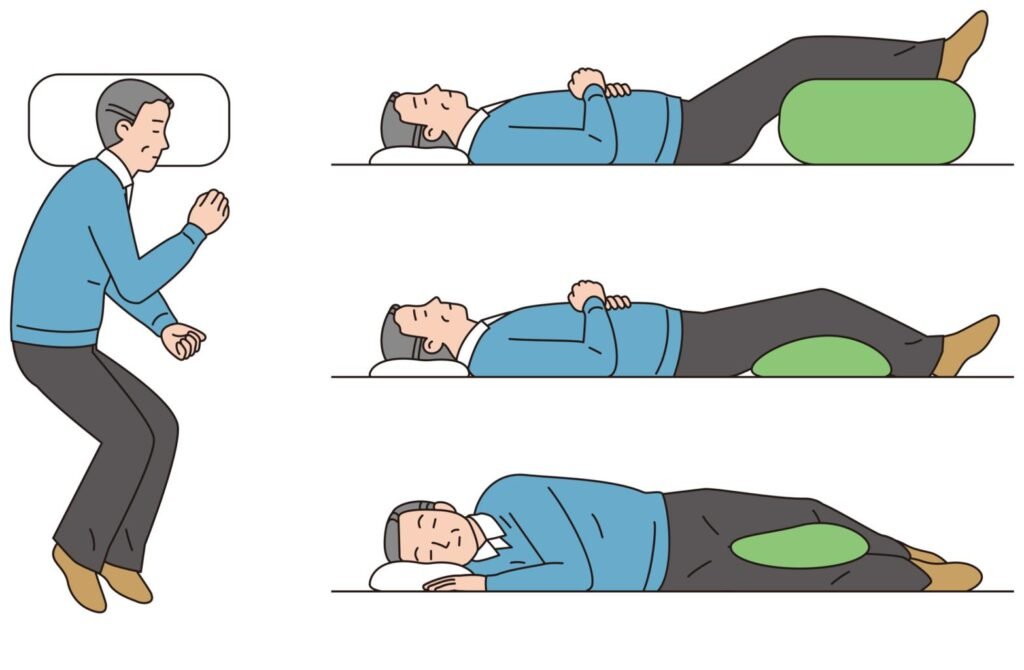
| Back Sleeping | Can be beneficial if a pillow supports the knees to maintain spinal curve |
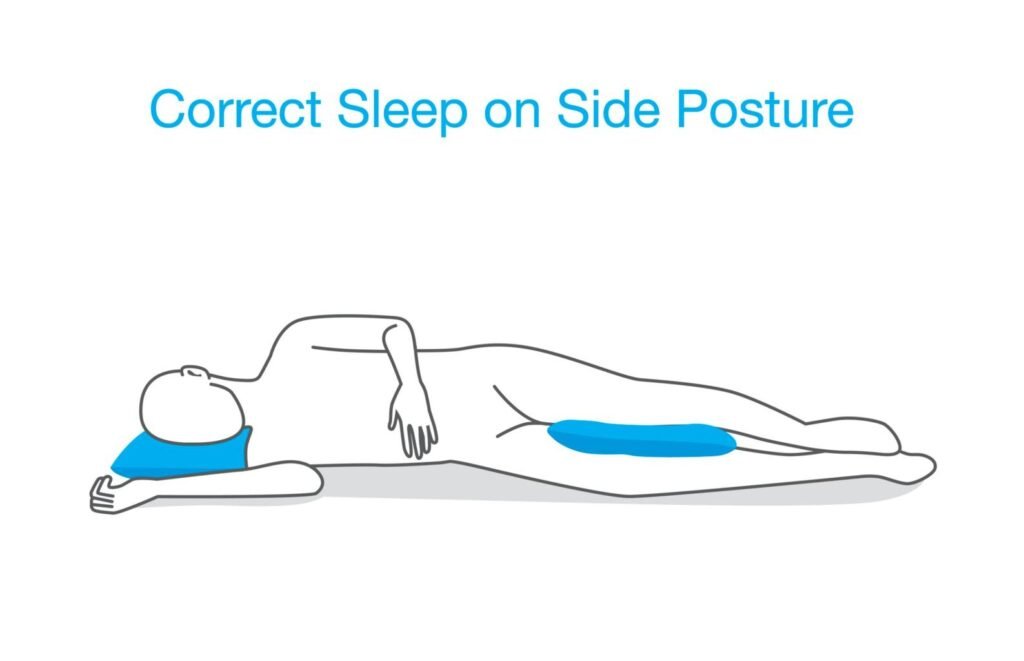
| Side Sleeping | Works well if a pillow is placed between the knees to align hips |
| Stomach Sleeping | Often the worst position because it arches the spine and twists the neck |
Poor sleep posture can create pressure points that lead to stiffness when you wake up.
Image Placement
3 Sleep Adjustments That Bring Morning Relief
Improving sleep posture and mattress support can significantly reduce morning stiffness.
1. Match Your Mattress to Your Sleep Style
Different sleep styles require different support levels.
- Side sleepers: softer mattress for pressure relief
- Back sleepers: medium-firm mattress for spinal support
- Stomach sleepers: firmer mattress to prevent excessive arching
A mattress that supports your spine properly helps reduce strain overnight.
2. Position Pillows for Proper Spinal Alignment
Pillows are powerful tools for spinal support.
Helpful pillow placements:
Back sleepers
→ place a pillow under the knees
Side sleepers
→ place a pillow between the knees
Both options help keep the spine in a neutral position.
3. Train Yourself to Sleep in a Back-Friendly Position
Sleeping on your back is often the most spine-friendly option.
If you’re used to sleeping on your stomach, try gradually shifting to side sleeping or back sleeping using supportive pillows.
Consistency helps your body adjust over time.
Image Placement
2 Morning Movement Strategies That Actually Work
Gentle movement after waking up helps the spine transition from rest to activity.
Regular movement can make a huge difference in how your back feels throughout the day. You can also explore additional techniques in our guide on simple daily stretches for lower back pain relief.
4. Wake Up Your Spine with Gentle Stretches Before Getting Up
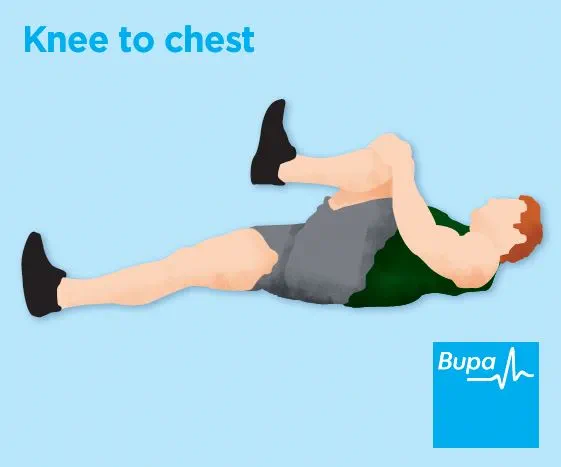
Try simple movements while still lying in bed:
• knees-to-chest stretch
• gentle spinal twists
• shoulder rolls
• slow pelvic tilts
These movements increase circulation and reduce stiffness before standing.
5. Get Out of Bed Using the Log Roll Technique
Twisting suddenly when getting up can strain the spine.
Instead use the log roll technique:
- Roll onto your side while keeping your body aligned
- Push up using your arms
- Swing your legs over the edge of the bed
This keeps the spine neutral and reduces pressure on the lower back.
Image Placement
2 Daily Habits That Prevent Morning Stiffness
Morning pain often reflects what happens during the entire day.
6. Keep Your Discs Hydrated Throughout the Day
Spinal discs need water to maintain their cushioning ability.
Drink water consistently throughout the day to support spinal health.
Hydrating foods can also help:
| Food | Water Content |
|---|---|
| Cucumbers | 96% |
| Watermelon | 92% |
| Strawberries | 92% |
Proper hydration helps discs stay flexible and resilient.
7. Strengthen Your Core to Support Your Lower Back
Your core muscles support the spine and stabilize movement.
Helpful exercises include:
• Bird Dog
• Side Plank
• Glute Bridges
• Modified Curl-Ups
A strong core reduces strain on the lower back and helps prevent morning stiffness.
Image Placement

If your discomfort continues during the day, you may also benefit from learning about natural solutions that can help reduce inflammation and muscle tension. Read our guide on natural ways to relieve lower back pain at home.
Conclusion
Morning lower back pain is often a sign that your sleep posture, daily movement, or hydration habits need small adjustments.
By improving your sleep setup, practicing gentle morning movement, and strengthening your core, you can reduce stiffness and start your day feeling more comfortable.
Small daily changes can make a noticeable difference in how your back feels each morning.
FAQ
Why does my back hurt more when I wake up?
Your spinal discs absorb fluid overnight, which increases pressure in the spine. Combined with muscle stiffness from inactivity, this can cause morning pain.
What sleeping position is best for lower back pain?
Back sleeping with a pillow under the knees or side sleeping with a pillow between the knees usually supports the spine best.
How can I loosen my back before getting out of bed?
Gentle stretches like knees-to-chest or pelvic tilts can increase circulation and reduce stiffness before standing.
Does hydration affect back pain?
Yes. Spinal discs need hydration to function properly, and dehydration can contribute to stiffness.
PathwayToRelief.com provides educational wellness information only and does not offer medical advice. Always consult a qualified healthcare professional before making changes to your health routine.