Ever wake up with a sharp ache instead of feeling refreshed? Many people struggle to find comfort at night, especially when dealing with back pain. The surprising answer might be in how you sleep.
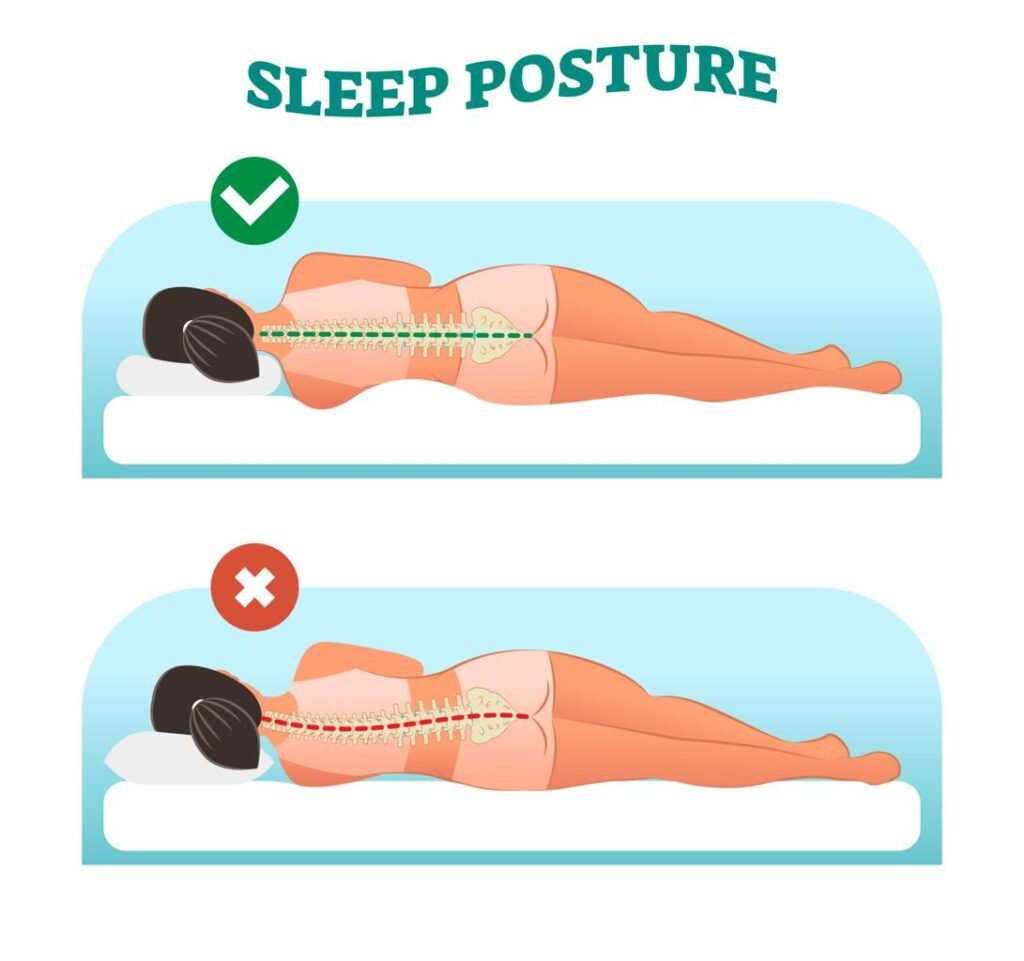
Medical experts explain that the right sleep position can reduce pressure on your lower back and improve spinal alignment. Poor posture during sleep often leads to stiffness, inflammation, and discomfort the next morning.
Finding the best sleeping positions for lower back pain can provide relief both immediately and long-term. With a few simple adjustments, you can wake up feeling more rested and less stiff.
Small improvements in your sleep posture can significantly improve your recovery overnight. Understanding how your body aligns during sleep can make a major difference in pain management.
Key Takeaways
- Maintaining neutral spine alignment reduces nightly discomfort
- Placing a pillow between your knees stabilizes the hips when side sleeping
- Back sleepers benefit from a pillow placed under the knees
- Avoid stomach sleeping because it strains the spine
- Supportive mattresses and pillows improve sleep posture
- Small adjustments can significantly reduce morning stiffness
Why Your Sleeping Position Matters for Lower Back Pain
Your sleeping position directly affects how your spine rests overnight. When your spine remains aligned, muscles relax and pressure on the joints decreases.
Improper sleep posture places uneven pressure on the spine and can irritate nerves and discs.
If you regularly wake up with stiffness, your sleep position may be contributing to the problem.
If morning pain is a regular issue, you may also want to read our guide explaining why lower back pain is worse in the morning and what actually helps.
How Poor Sleep Positions Make Back Pain Worse
Certain sleeping positions place unnecessary pressure on the spine.
For example:
Stomach Sleeping
Sleeping on your stomach twists your neck and forces your spine out of alignment.
Unsupported Side Sleeping
Sleeping on your side without proper support causes the hips and spine to rotate unnaturally.
Curled Sleeping Posture
Over-curling into a tight fetal position can create unnecessary spinal strain.
Learning to correct these positions can dramatically reduce lower back discomfort.
Best Sleeping Positions for Lower Back Pain
Doctors typically recommend three positions that help maintain proper spinal alignment.
Back Sleeping With Elevated Knees
Sleeping on your back is often the most supportive position for your spine.
Place a pillow under your knees to reduce pressure on the lower back and maintain the natural curve of the spine.
Side Sleeping With Knee Support
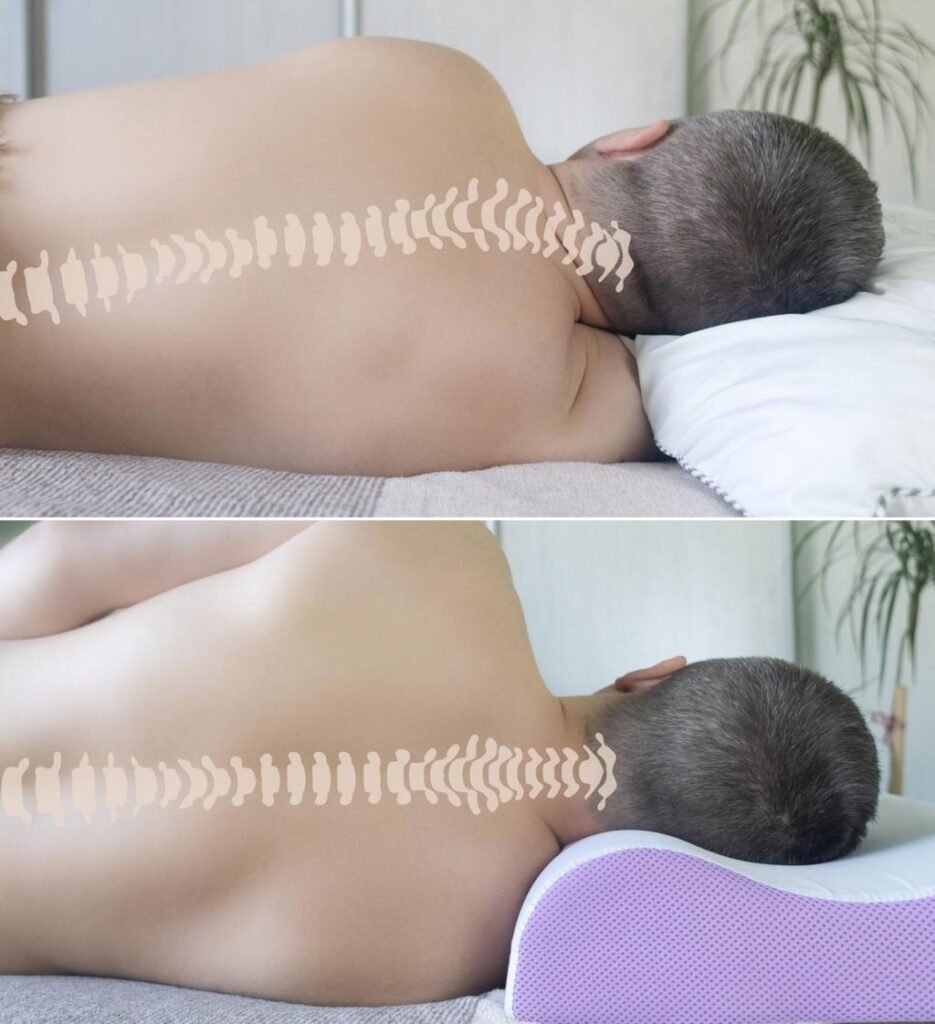
Side sleeping is another excellent option when done correctly.
Placing a pillow between your knees keeps your hips aligned and prevents twisting of the spine.
This small adjustment helps maintain natural spinal alignment throughout the night.
If you spend many hours sitting during the day, learning how to sit without lower back pain at a desk can also improve spinal health.
Image Placement

The Fetal Position for Natural Spine Curvature
The fetal position can help relieve pressure on the spine when done gently.
Keep your knees slightly bent and avoid curling too tightly.
Using a pillow between your knees can further improve spinal alignment.
Choosing the Right Mattress and Pillow Support
Your mattress and pillows play a major role in maintaining spinal alignment while you sleep.
Mattress Firmness
Most doctors recommend a medium-firm mattress because it provides enough support without creating pressure points.
Pillow Support
Your pillow should keep your head and neck aligned with your spine.
Memory foam or latex pillows often provide better support than soft pillows.
For people with ongoing discomfort, combining proper sleep posture with simple natural back pain relief strategies can help improve long-term recovery.
Sleep Positions to Avoid
Certain positions can worsen back pain.
Stomach Sleeping
This position places the spine in an unnatural curve and forces the neck to twist.
Unsupported Side Sleeping
Without knee support, the hips rotate and place strain on the lower back.
Avoiding these positions can significantly improve sleep quality.
Daily Habits That Improve Sleep and Reduce Pain
Improving sleep posture works best when combined with healthy habits.
Gentle Stretching Before Bed
Light stretching relaxes the muscles and prepares your body for sleep.
Examples include:
- Knee-to-chest stretch
- Pelvic tilts
- Gentle yoga poses
Stay Hydrated
Spinal discs require hydration to maintain their flexibility and cushioning.
Maintain a Consistent Bedtime Routine
Going to sleep at the same time each night helps regulate your body’s natural recovery cycle.
Conclusion
Changing how you sleep can significantly reduce lower back pain and improve your overall sleep quality.
Back sleeping with elevated knees and side sleeping with proper knee support are two of the most effective doctor-recommended positions.
By maintaining spinal alignment, choosing supportive bedding, and building healthy sleep habits, you can wake up feeling more refreshed and comfortable each morning.
Even small changes in posture can lead to meaningful improvements in your long-term back health.
Disclaimer
This article is for informational purposes only and does not replace professional medical advice. Always consult a qualified healthcare provider before making changes to your health routine, especially if you experience persistent or severe back pain.