Millions of people rely on heat therapy for back pain relief. A warm heating pad can feel incredibly soothing after a long day of sitting or physical activity.
But an important question many people ask is: can you use a heating pad too much?
While heat therapy can relax tight muscles and increase circulation, using it incorrectly can actually make back pain worse. Long sessions, high temperatures, or poor habits can lead to skin irritation, inflammation, or delayed healing.
Learning how to use heat therapy correctly can help you reduce back pain safely while avoiding common mistakes.
If you regularly experience stiffness after long periods of sitting, you may also want to read our guide on why back pain gets worse after sitting:
Key Takeaways
- Limit heating pad sessions to 15–20 minutes
- Always monitor your skin for redness or irritation
- Use a protective cloth barrier
- Improve posture habits during the day
- Add light stretching between heat sessions
- Consult a professional for chronic pain
Why Your Heating Pad Might Be Doing More Harm Than Good
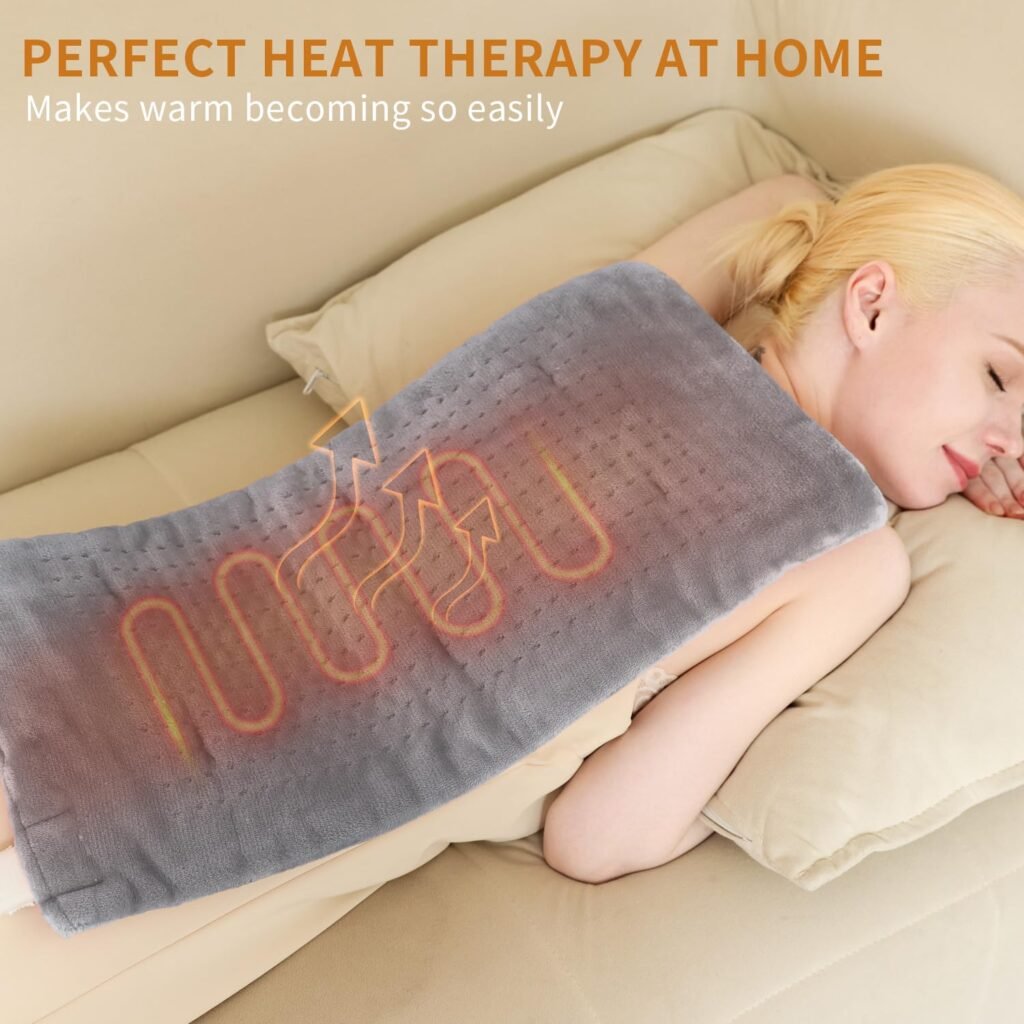
Person applying heating pad to lower back muscles for pain relief
Heating pads can bring quick comfort when muscles feel tight or sore. The warmth increases blood flow and helps muscles relax.
However, excessive heat therapy can create new problems if used incorrectly.
Some risks include:
- Increased inflammation
- Skin irritation
- Delayed muscle recovery
- Dependency on heat for pain relief
Many people unintentionally fall into the comfort trap where they use heat constantly without addressing the real cause of their pain.
The Comfort Trap: When Relief Becomes a Problem
Heating pads provide quick relief, which can make people rely on them too frequently.
Over time, this may lead to:
- Increased sensitivity to cold temperatures
- Reduced muscle strength from inactivity
- Skin irritation or minor burns
Heat therapy should support recovery, not replace proper movement and posture improvements.
If you regularly wake up stiff or sore, it may also help to learn why lower back pain is worse in the morning
Can You Use a Heating Pad Too Much? The Truth About Overuse
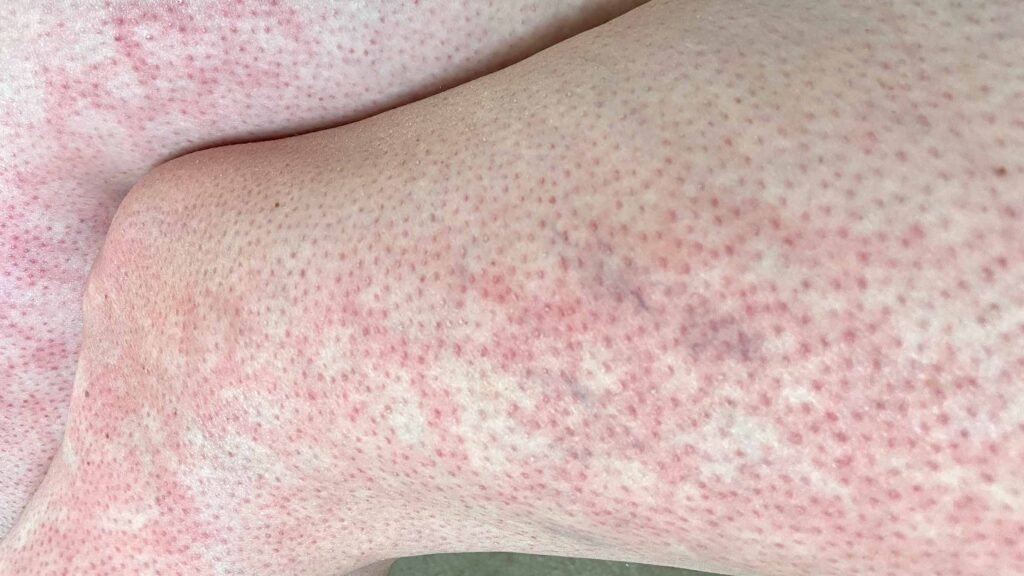
Example showing potential heating pad overuse warning signs on skin
Using heat for too long can affect your muscles and tissues in ways many people don’t realize.
Tissue Swelling and Inflammation
Extended heat exposure may increase swelling and inflammation in some cases. This can make pain worse rather than better.
Reduced Circulation Over Time
Heat increases circulation at first, but excessive exposure can cause your body to react by reducing blood flow later.
This slows down natural healing.
Warning Signs Your Body Is Telling You to Stop
Watch for these signals that heat therapy may be overused:
| Warning Sign | What It Means |
|---|---|
| Skin redness or irritation | Heat exposure is too long |
| Increased sensitivity | Skin barrier is becoming irritated |
| Pain worsening after heat | The tissue may need rest instead |
If pain increases instead of improving, it may be time to adjust your routine.
The Most Common Heat Therapy Mistakes People Make
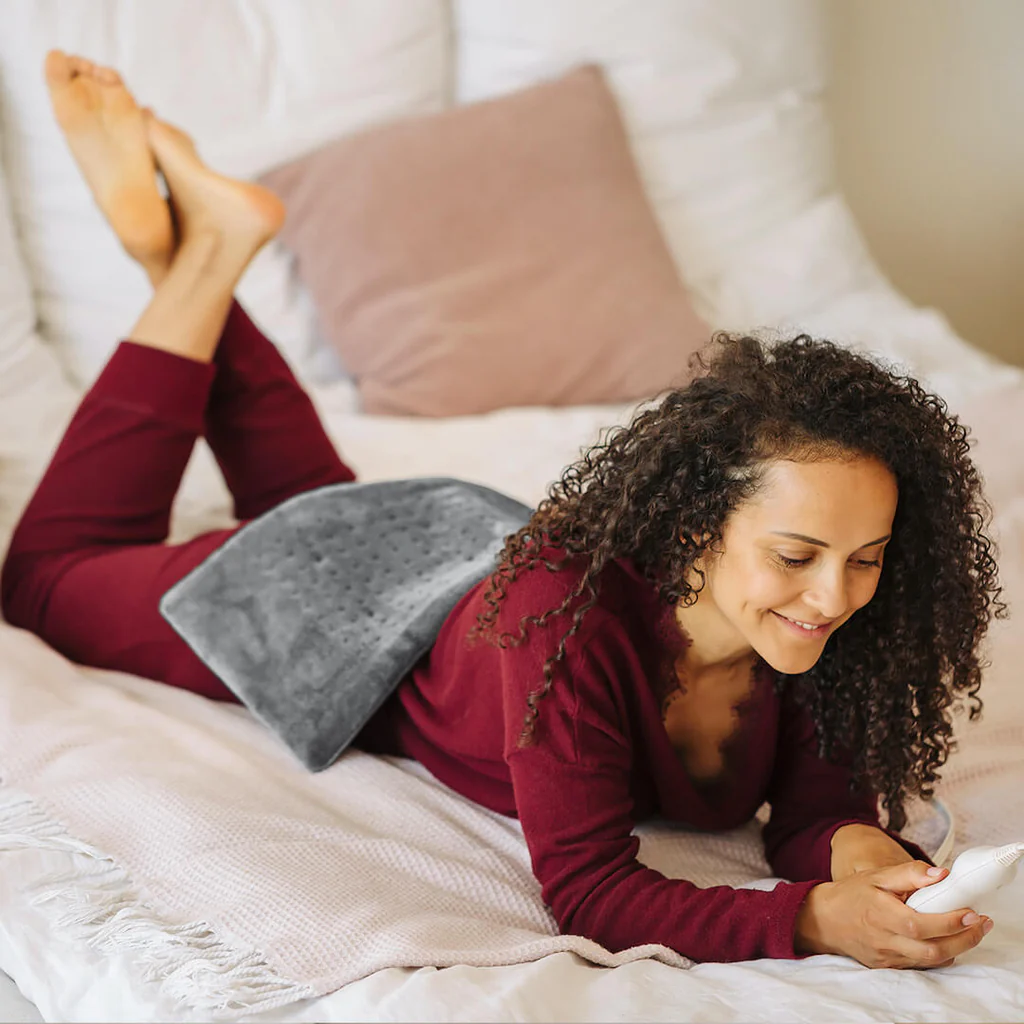
Common heating pad safety mistakes people make when treating back pain
Mistake 1: Using Heat on New Injuries
Heat can worsen swelling in the first 48–72 hours after an injury.
Instead, ice therapy is usually recommended during this early stage.
Mistake 2: Falling Asleep With a Heating Pad
Sleeping with heat therapy can cause:
- Skin burns
- Dehydration
- Prolonged exposure
Choose heating pads with automatic shut-off timers.
Mistake 3: Using Very High Temperatures
High heat does not equal faster relief.
Start with a low temperature setting and gradually increase only if necessary.
Mistake 4: Applying Heat Directly to Skin
Always place a cloth or towel between the heating pad and your skin.
This helps prevent burns and distributes heat more evenly.
Mistake 5: Using Heat as Your Only Pain Solution
Heat works best when combined with healthy habits like:
- Stretching
- Movement
- Posture improvements
For example, learning how to sit without lower back pain can dramatically reduce daily discomfort:
How to Use Heating Pads Safely and Effectively
Follow the 15–20 Minute Rule
Use heating pads for 15–20 minutes per session.
After each session, allow your skin to cool before using it again.
Limit sessions to 3–4 times per day.
Choose the Right Temperature
Safe heat therapy typically falls between:
100°F – 104°F (38–40°C)
Lower settings often provide the best relief with the least risk.
Always Use a Protective Barrier
Place a towel or cloth between the heating pad and your skin.
This protects your skin and distributes heat evenly.
Space Out Heat Therapy Sessions
Best times for heat therapy include:
| Time | Benefit |
|---|---|
| Morning | Reduces stiffness |
| Before stretching | Warms muscles |
| Evening | Helps muscles relax |
Creating a Balanced Back Pain Relief Routine
Heat therapy works best when combined with healthy daily habits.
Add Gentle Movement
Simple movements can improve recovery:
- Pelvic tilts
- Knee-to-chest stretch
- Cat-cow stretch
Perform these exercises between heat sessions.
Improve Posture Habits
Bad posture is one of the most common causes of back pain.
Healthy posture includes:
- Sitting upright
- Keeping feet flat on the floor
- Avoiding long periods of slouching
Improve Your Sleep Setup
Sleep posture also affects back health.
Helpful tips include:
- Use a supportive mattress
- Keep your spine aligned with a pillow
- Avoid sleeping in twisted positions
Stay Hydrated
Hydration supports muscle recovery and spinal disc health.
Drinking enough water can improve flexibility and reduce muscle stiffness.
Conclusion
Heating pads can provide powerful relief for muscle tension and back pain. However, using them incorrectly or for too long can make symptoms worse.
Following safe heat therapy habits like limiting sessions, choosing moderate temperatures, and combining heat with movement can make a big difference in recovery.
By understanding how to use heat therapy correctly, you can enjoy the benefits of warmth while protecting your muscles and skin.
Disclaimer
This article is for informational purposes only and does not constitute medical advice. Always consult a qualified healthcare professional before starting any treatment for back pain or muscle injuries. If symptoms persist or worsen, seek medical evaluation.