This article may contain affiliate links. If you purchase through these links, we may earn a small commission at no extra cost to you.
Ever wondered if the warmth you use to ease back pain might actually cause problems while you sleep?
Many people rely on heating pads to relax tight muscles and reduce back discomfort at night. Heat therapy can feel incredibly soothing, especially after a long day of sitting or physical work.
However, doctors warn that using a heating pad incorrectly — especially while sleeping — can increase the risk of burns, dehydration, and tissue damage.
Understanding how to use heat therapy safely can help you get the benefits without putting your health at risk.
This guide explains the safe heat therapy rules doctors recommend and answers the common question: is sleeping with a heating pad bad for your back if done incorrectly?
Key Takeaways
- Limit heating pad sessions to 15–20 minutes
- Avoid sleeping overnight with active heat therapy
- Always place a cloth barrier between the pad and your skin
- Choose heating pads with automatic shut-off features
- Maintain hydration to support muscle recovery
- Consult a medical professional for persistent or worsening pain
The Short Answer: Why Doctors Caution Against Overnight Heating Pad Use
Doctors generally advise not sleeping with a heating pad turned on overnight.
While heat therapy can temporarily relieve back pain, leaving a heating pad on during sleep can create several safety risks.
Common concerns include:
- Burns or skin irritation from prolonged heat exposure
- Dehydration caused by extended heating
- Reduced awareness while sleeping if the pad becomes too hot
Many people fall asleep while using heat therapy and do not wake up when their skin becomes irritated or overheated.
Using heat therapy safely means controlling both temperature and duration.
Understanding the Risks of Sleeping With a Heating Pad on Your Back
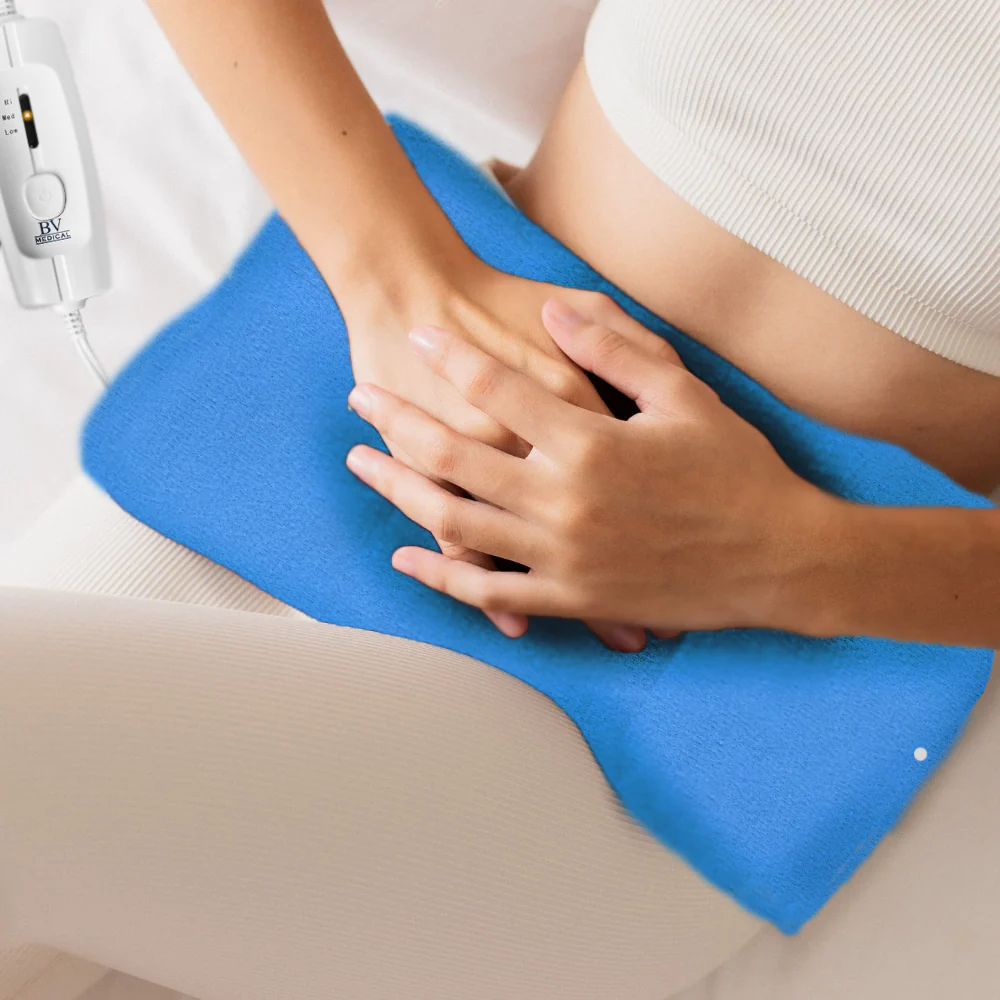
Burns and Skin Damage From Prolonged Heat Exposure
One of the biggest risks of sleeping with a heating pad is thermal burns.
Even on low settings, heat applied for hours can irritate skin or cause mild burns — especially if placed directly against bare skin.
People with sensitive skin or circulation issues are particularly vulnerable.
Dehydration and Localized Tissue Damage
Heat expands blood vessels and increases circulation. This can help muscles relax, but excessive exposure may cause localized dehydration and tissue irritation.
Long periods of heat may also lead to swelling in already inflamed areas.
Reduced Awareness During Sleep
When you are asleep, your body cannot easily respond to warning signals like excessive heat or skin irritation.
This lack of awareness makes overnight heating pad use potentially dangerous.
Safe Heat Therapy Rules Doctors Recommend for Back Pain ReliefRecommended Heating Pads for Safe Heat Therapy
This article may contain affiliate links. If you purchase through these links, we may earn a small commission at no extra cost to you.
If you use heat therapy regularly, choosing a heating pad with built-in safety features is extremely important. Look for options with automatic shut-off timers, adjustable heat settings, and soft materials that distribute heat evenly.
Using a reliable heating pad can help you relax muscles before bed without increasing the risk of burns or overheating.
👉 View top-rated heating pads for back pain relief here:
Many people prefer heating pads designed specifically for back support, as they provide better coverage and more consistent heat distribution.
Using heat therapy correctly can still be extremely helpful for managing muscle tension and stiffness.
Follow these doctor-recommended safety rules.
The 15–20 Minute Maximum Application Rule
Medical experts recommend limiting heat therapy sessions to 15–20 minutes at a time.
Allow your skin to cool down before applying heat again.
This reduces the risk of burns while still providing effective muscle relaxation.
Appropriate Temperature Settings and Controls
Use a heating pad with adjustable temperature settings.
Most experts recommend heat levels between:
100°F – 104°F (38°C – 40°C)
Start with a lower setting and increase gradually if needed.
Always Use a Protective Barrier Layer
Never place a heating pad directly on bare skin.
Instead, place a towel, blanket, or clothing layer between the heating pad and your skin.
This simple barrier greatly reduces the risk of skin irritation.
Auto-Shutoff Features and Timer Usage
Modern heating pads often include automatic shut-off timers.
These features turn the heating pad off after a set period of time, which helps prevent overheating.
If your heating pad does not have this feature, use a manual timer.
How Heat Therapy Helps Back Pain When Used Correctly
Heat therapy works by improving circulation and relaxing tight muscles.
When applied properly, it can reduce stiffness and support healing.
Increased Blood Flow and Muscle Relaxation
Heat causes blood vessels to expand, increasing blood flow to injured or tight areas.
Improved circulation allows oxygen and nutrients to reach muscles more effectively.
This process helps muscles relax and can reduce pain caused by tension or stiffness.
Best Times to Apply Heat Therapy
Heat therapy works best during specific times of the day:
Before Activity
Applying heat before exercise helps loosen muscles and improve flexibility.
After Activity
Heat therapy after physical activity helps muscles recover and reduces soreness.
Many people also benefit from heat therapy in the evening when back pain tends to increase.
Smart Alternatives to Sleeping With a Heating Pad
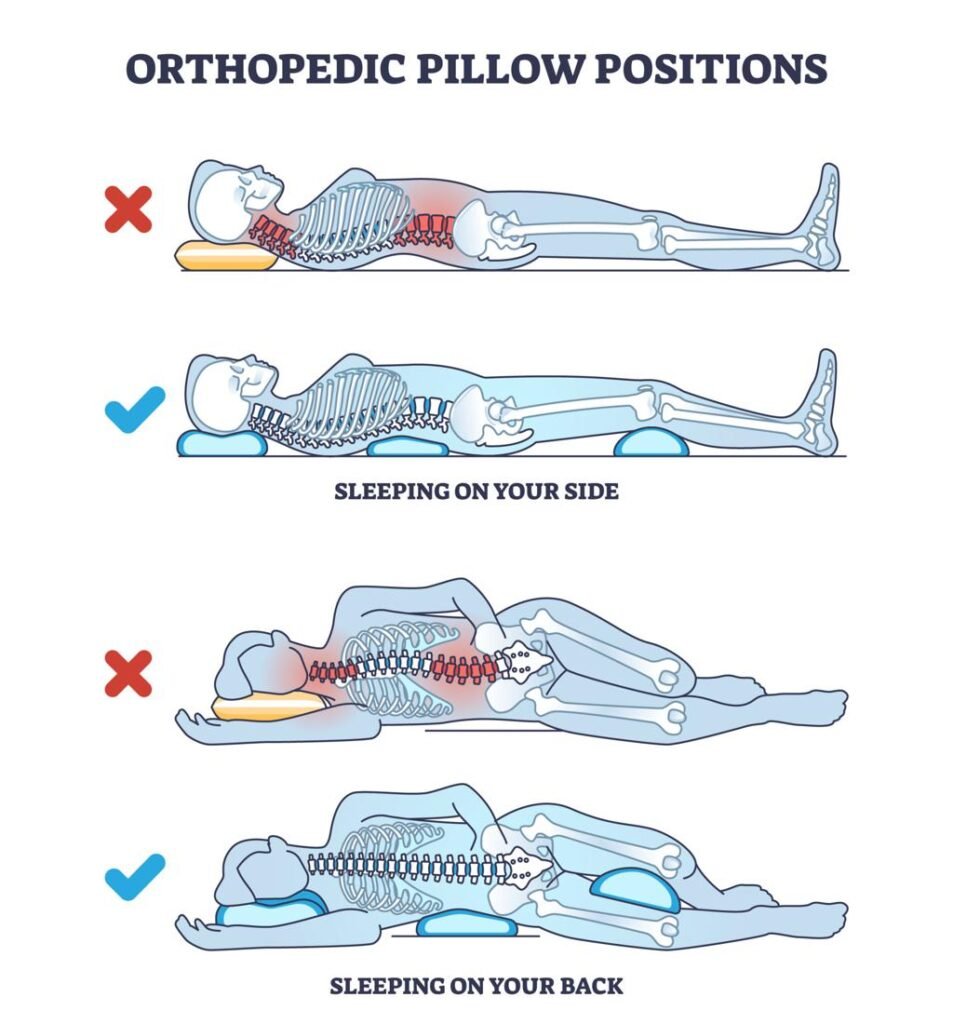
Instead of sleeping with a heating pad, consider safer nighttime routines that still help relieve back pain.
Pre-Bedtime Heat Therapy Routine
A safer approach is to use heat before bedtime, not during sleep.
Try this routine:
- Apply heat for 15–20 minutes
- Perform gentle stretching
- Relax with breathing or meditation
This routine relaxes muscles without exposing your body to overnight heat risks.
Optimal Sleep Positions for Back Pain Relief
Your sleeping position plays a major role in back health.
Helpful positions include:
- Sleeping on your back with a pillow under your knees
- Sleeping on your side with a pillow between your knees
These positions help keep the spine aligned and reduce pressure.
Mattress Support and Sleep Environment
A supportive mattress can significantly improve back comfort.
| Mattress Type | Support Level | Back Pain Relief |
|---|---|---|
| Memory Foam | High | Excellent |
| Hybrid | High | Excellent |
| Innerspring | Medium | Good |
Choosing a mattress that supports spinal alignment is essential for long-term relief.
Gentle Evening Stretches
Light stretching before bed can reduce muscle stiffness.
Helpful stretches include:
- Knee-to-chest stretch
- Cat-cow stretch
- Pelvic tilts
These movements help release tension built up during the day.
Who Should Avoid Heat Therapy for Back Pain
Some people should avoid heat therapy or use it only under medical supervision.
Medical Conditions That Make Heat Unsafe
Heat therapy may not be safe for people with:
- Poor circulation
- Diabetes with nerve damage
- Skin conditions such as eczema
- Open wounds or infections
Always consult a medical professional before starting heat therapy if you have a medical condition.
When Cold Therapy Is Better Than Heat
Cold therapy is often better for:
- New injuries
- Inflammation
- Swelling
Cold reduces blood flow and numbs pain, making it helpful during the first stages of injury.
Building a Safe Daily Back Pain Management Routine
A healthy daily routine can reduce the need for constant pain relief.
Strategic Morning and Evening Heat Sessions
Using heat therapy briefly in the morning and evening can improve flexibility and muscle recovery.
Consistent short sessions are safer than long exposure.
Hydration Habits That Support Healing
Spinal discs require proper hydration to stay flexible.
Drink water consistently throughout the day to support spinal health.
Movement and Posture Throughout Your Day
Poor posture and long sitting periods are common causes of back pain.
If you spend many hours at a desk, you may also benefit from learning how sitting affects spinal pressure and what simple posture fixes help reduce daily back pain.
If your back pain gets worse after long work hours, you may want to learn why sitting can worsen back pain and how to fix it quickly.
You may also benefit from learning how proper sitting posture can protect your lower back during long desk hours.
Improving posture during work can make a huge difference, especially if you understand how to sit without lower back pain while working at a desk.
Heat therapy is also commonly used with heating pads, but many people wonder how often it should actually be used safely.
If you use heat therapy regularly, it helps to understand how often you should use a heating pad for back pain safely.
Choosing a Safe Heating Pad for Back Pain
Not all heating pads are designed the same way. Some models include safety features that make them more suitable for regular use, especially as part of a nighttime routine.
When selecting a heating pad, consider:
- Automatic shut-off functionality
- Multiple heat settings
- Soft, skin-friendly fabric
- Size and coverage for your back
👉 Check recommended heating pads designed for comfort and safety
Using the right heating pad for short, controlled sessions can help you get relief while avoiding the risks of overnight use.
Frequently Asked Questions
Can sleeping with a heating pad hurt your back?
Yes, sleeping overnight with a heating pad may increase the risk of burns, overheating, dehydration, and skin irritation. Doctors generally recommend short sessions before bed instead.
How long should you use a heating pad for back pain?
Most experts recommend using a heating pad for about 15–20 minutes at a time.
Is heat or ice better before bed?
Heat is usually better for muscle tightness and stiffness, while ice may be more helpful for swelling or new injuries.
What is the safest way to use a heating pad at night?
The safest approach is to use the heating pad before bedtime for a short session and remove it before falling asleep.
Conclusion
Sleeping with a heating pad may seem harmless, but leaving heat therapy on overnight can increase the risk of burns, dehydration, and tissue irritation.
The safest approach is to use heating pads for short 15–20 minute sessions before bed rather than during sleep.
Combining heat therapy with gentle stretching, good sleep posture, and a supportive mattress can greatly improve back comfort while reducing risks.
Used properly, heat therapy can be a helpful part of a healthy back pain management routine.
When Back Pain Needs Medical Attention
While mild soreness and stiffness often improve with heat therapy, certain symptoms may require medical evaluation.
You should contact a healthcare professional if your back pain includes:
- Pain that lasts longer than a few weeks
- Numbness or tingling in the legs
- Weakness when walking or standing
- Severe pain that suddenly worsens
- Loss of bladder or bowel control
Heat therapy may help mild muscle discomfort, but persistent or worsening pain should always be evaluated by a medical professional.
Disclaimer
The information on PathwayToRelief.com is for educational and informational purposes only and is not intended as medical advice. Always consult a qualified healthcare professional before starting new treatments or making changes to your health routine.