Many people use heating pads to relax tight muscles and ease back pain before bed. The warmth can feel incredibly soothing, especially after a long day of sitting or physical activity.
But a common question doctors hear is:
Is it safe to sleep with a heating pad on your back all night?
While heat therapy can be helpful, leaving a heating pad on overnight can sometimes create risks if it’s not used properly. Understanding how heat affects your body—and how to use it safely—can help you get relief without putting your health at risk.
In this guide, you’ll learn what doctors recommend, the potential risks, and safer ways to manage back pain before bedtime.
Key Takeaways
- Sleeping with a heating pad on all night can increase the risk of burns and skin irritation
- Heat therapy works best when used for short periods (15–20 minutes)
- Using a barrier like a towel helps protect the skin
- Heating pads with auto-shutoff timers are safer than older models
- Improving sleep posture and back support can provide longer-lasting relief
Understanding the Risks of Sleeping With a Heating Pad
Heating pads are widely used for back pain relief because they relax muscles and increase blood flow. However, prolonged heat exposure during sleep can lead to several potential problems.
Burns and Skin Damage from Prolonged Heat Exposure
One of the biggest concerns doctors mention is skin burns.
When you fall asleep, you may not notice if the heating pad shifts or becomes too hot. Even low heat can irritate the skin when it stays in contact for several hours.
Common warning signs include:
- Redness
- Skin sensitivity
- Mild burns
- Blisters in severe cases
Placing a thin towel or cloth between the pad and your skin can reduce this risk.
If you’re unsure how long heat should safely be applied, see this guide:
how long you should leave a heating pad on your back
Dehydration and Internal Overheating
Long periods of heat exposure can also cause mild dehydration or overheating.
This happens because heat increases circulation and can cause the body to lose moisture while you sleep.
People most at risk include:
- Older adults
- Individuals with circulation problems
- People with nerve damage
- Those taking medications that affect temperature regulation
Drinking water before using heat therapy and limiting the time of use can help prevent these issues.
Fire Hazards and Electrical Safety
Although rare, electrical safety is another concern.
Older heating pads with damaged wires or poor insulation can increase the risk of:
- electrical shock
- overheating
- fire hazards
Always inspect your heating pad for:
- frayed cords
- exposed wiring
- overheating smells
Using a modern heating pad with safety certification and auto shut-off is strongly recommended.
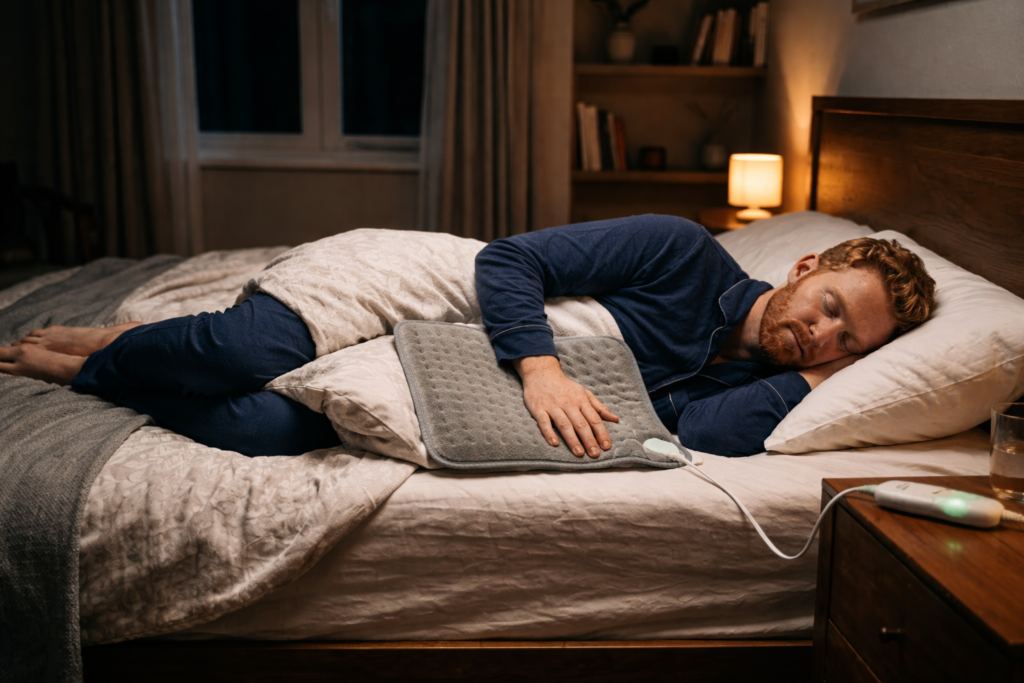
What Doctors Recommend About Sleeping With a Heating Pad
Most doctors and physical therapists agree on one important rule:
Do not sleep with a heating pad turned on overnight.
Medical experts typically recommend short heat therapy sessions instead of continuous use
Why 15–20 Minutes Is the Ideal Time
Short heat sessions provide the benefits without the risks.
Benefits of short sessions include:
- relaxing tight muscles
- improving circulation
- reducing stiffness
- calming nerve sensitivity
When heat is applied for 15–20 minutes, muscles relax and blood flow increases without damaging tissue.
Longer sessions—especially overnight—can increase the risk of burns and skin irritation.
When Heating Pads Can Help Back Pain the Most
Used correctly, heating pads can be very effective for certain types of back pain.
How Heat Therapy Works
Heat therapy helps by:
- relaxing muscle tension
- improving circulation
- reducing stiffness
- calming muscle spasms
Increased blood flow brings oxygen and nutrients to the area, which helps muscles recover.
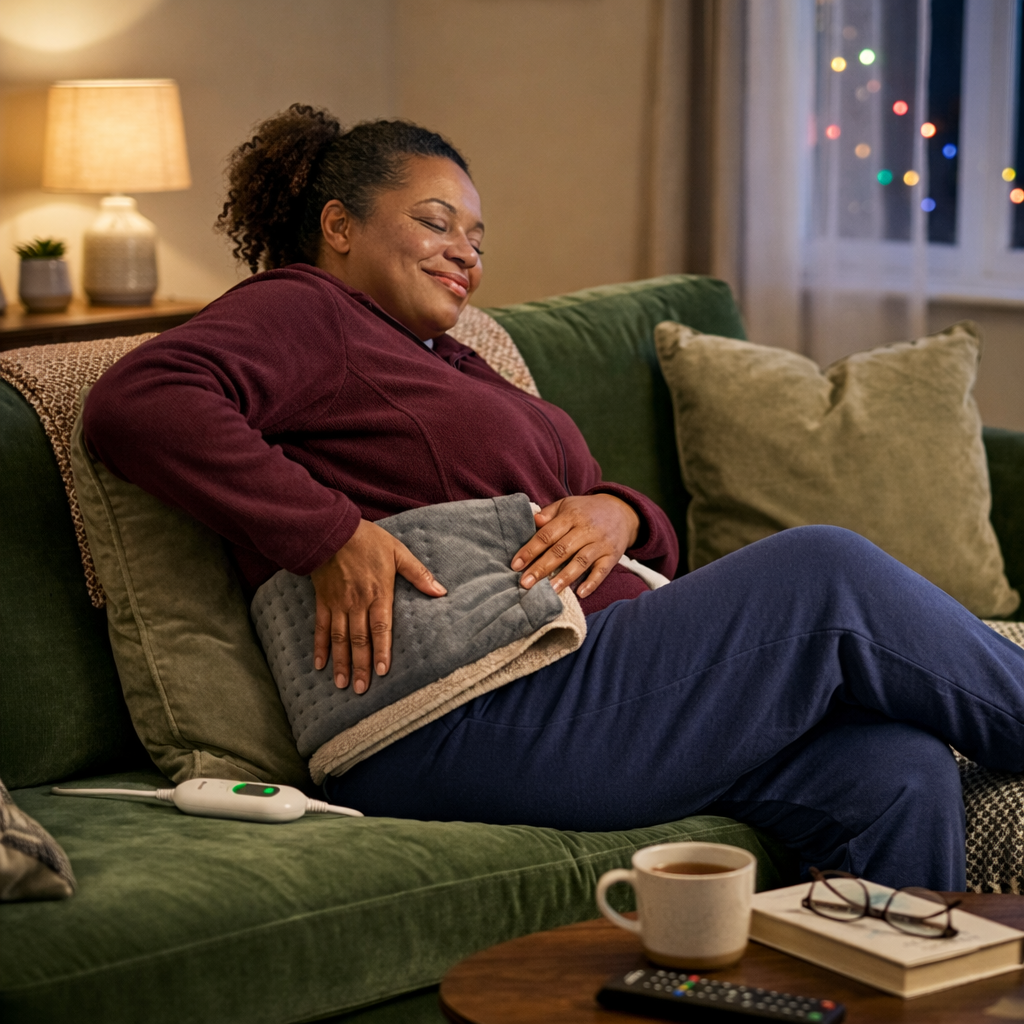
Best Times of Day to Use Heat
Timing your heat therapy can make a big difference.
Many people benefit from using heat:
Before activity
- loosens stiff muscles
- increases flexibility
After activity
- reduces soreness
- calbs muscle spasms
Before bedtime
- relaxes muscles
- helps your body wind down
However, it’s best to turn the heating pad off before falling asleep.
Morning stiffness can also contribute to back discomfort. If you regularly wake up with pain, understanding the causes can help: morning lower back pain causes and fixes
Safe Heating Pad Practices Before Bed
If you plan to use a heating pad in the evening, a few simple safety steps can make it much safer.
Look for These Safety Features
Modern heating pads often include built-in protection.
Important features include:
- Auto-shutoff timer
- adjustable heat levels
- overheating protection
- washable covers
Auto-shutoff timers are especially helpful because they automatically turn the device off after 20–30 minutes.
Use a Protective Barrier
Never place a heating pad directly on bare skin.
Instead:
- wrap it in a towel
- place it over clothing
- use it over a blanket layer
This helps distribute heat evenly and protects the skin.
Set a Timer Before Sleep
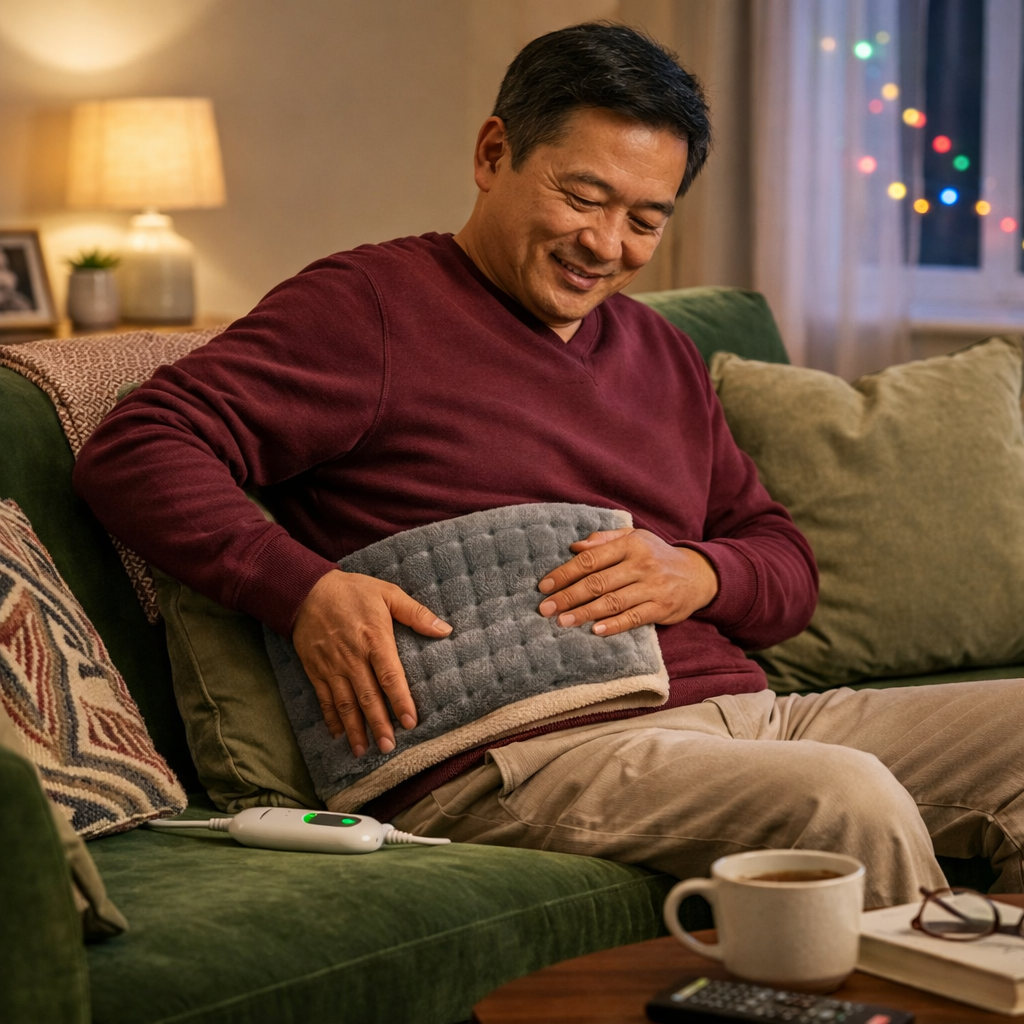
A great strategy is to apply heat while relaxing before bed, then remove the pad before falling asleep.
This gives your muscles the benefit of heat therapy without prolonged exposure.
Safer Alternatives for Nighttime Back Pain Relief
If your back pain makes it difficult to sleep, there are several safer options that provide relief overnight.
Microwaveable Heat Packs
Microwaveable packs are safer because they cool down naturally over time.
Benefits include:
- no electrical risk
- portable
- gentle heat distribution
Heated Mattress Pads With Safety Controls
Heated mattress pads can provide low, evenly distributed warmth without concentrating heat on one area.
Look for models with:
- automatic shutoff
- adjustable temperature
- safety certifications
Improve Your Sleep Position
Sometimes the biggest relief comes from improving sleep posture.
For example:
- placing a pillow under your knees when sleeping on your back
- putting a pillow between the knees when sleeping on your side
These adjustments help keep the spine aligned and reduce pressure on the lower back.
You may also find helpful products designed specifically for back pain relief.: best back pain relief products
Warning Signs That Require Medical Attention
While mild back pain is common, certain symptoms should be evaluated by a doctor.
Signs of Heat-Related Skin Damage
Watch for:
- redness
- blisters
- burning sensation
- skin discoloration
If these symptoms appear, stop heat therapy immediately.
Back Pain Symptoms That Need Medical Evaluation
Seek medical attention if you experience:
- severe or worsening back pain
- numbness or tingling in the legs
- loss of bladder or bowel control
- pain that spreads down the leg
These symptoms could indicate a more serious condition such as nerve compression.
Creating a Long-Term Routine for Back Health
Heat therapy works best when combined with healthy daily habits.
A sustainable routine for back health may include:
- gentle stretching or yoga
- strengthening core muscles
- maintaining good posture
- improving sleep support
- staying physically active
These habits reduce the likelihood of recurring back pain and decrease reliance on temporary solutions like heating pads.
Conclusion
Heating pads can be a helpful tool for easing back pain, but sleeping with one turned on all night is generally not recommended by doctors.
The safest approach is to use heat therapy for short sessions before bedtime, then remove the pad before falling asleep.
By following safe heating pad practices and improving sleep posture, you can enjoy the benefits of heat therapy without exposing yourself to unnecessary risks.
Taking a balanced approach to back care will help you achieve better comfort, healthier sleep, and long-term pain relief.
Disclaimer
This article is for informational purposes only and should not replace professional medical, financial, or technical advice.