Ever fallen asleep with a heating pad on your back and wondered if it’s actually safe?
Heat therapy is one of the fastest ways to relieve lower back pain. It increases blood flow, relaxes tight muscles, and helps your body recover after a long day. But using a heating pad overnight comes with real risks that many people don’t think about.
In this guide, you’ll learn exactly what happens if you leave a heating pad on all night — and how to use heat safely for maximum relief without putting your skin or health at risk.
🔥 Key Takeaways
- Heat therapy improves circulation and reduces muscle tension
- Sleeping with a heating pad can increase the risk of burns
- Most experts recommend not using heating pads overnight
- Safe timing and proper use are critical for avoiding injury
- There are safer alternatives that provide long-lasting relief
⚠️ Understanding the Risks of Overnight Heat Therapy
Heating pads can feel amazing — but prolonged use (especially while sleeping) can cause problems.
🔥 The Dangers of Leaving Heat on Too Long
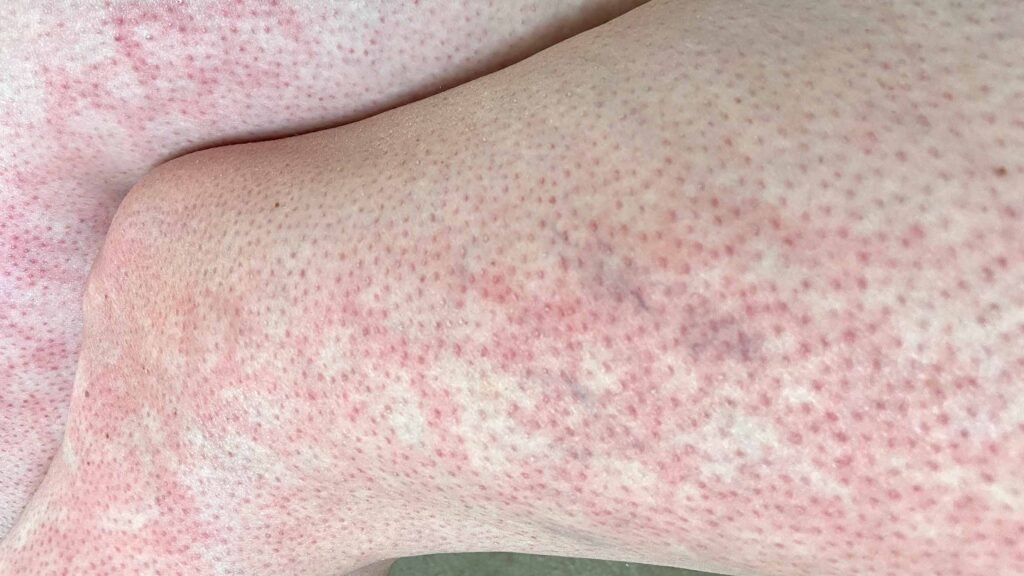
Using heat for extended periods can lead to:
- Skin burns (even without feeling it while asleep)
- Irritation or redness
- Dehydration from prolonged heat exposure
- Increased sensitivity over time
When you’re asleep, your body can’t react to overheating — which is where the real danger comes in.
🚨 Can You Leave a Heating Pad on All Night?
Short answer: No — it’s not recommended.
Most manufacturers and medical professionals advise against overnight use.
Why?
- You can’t monitor heat levels while asleep
- Your skin becomes more vulnerable to burns
- Devices can malfunction or overheat
- Even low heat over many hours can damage skin
👉 If you’re considering using heat overnight, read this first to stay safe: Can you sleep with heating pad on back?
🔒 Why Auto Shut-Off Features Matter
Some heating pads include auto shut-off (usually after 1–2 hours).
While this helps reduce risk, it still doesn’t make overnight use completely safe.
👉 Best practice:
- Use heat BEFORE bed
- Turn it off before falling asleep
⏱️ How Long Should You Use a Heating Pad?
For safe and effective relief:
- Use for 15–20 minutes at a time
- Take breaks between sessions
- Avoid continuous exposure
👉 You should also understand how long heat therapy should be used to avoid overuse:How long should you leave a heating pad on your back.
✅ Safer Alternatives for Nighttime Relief
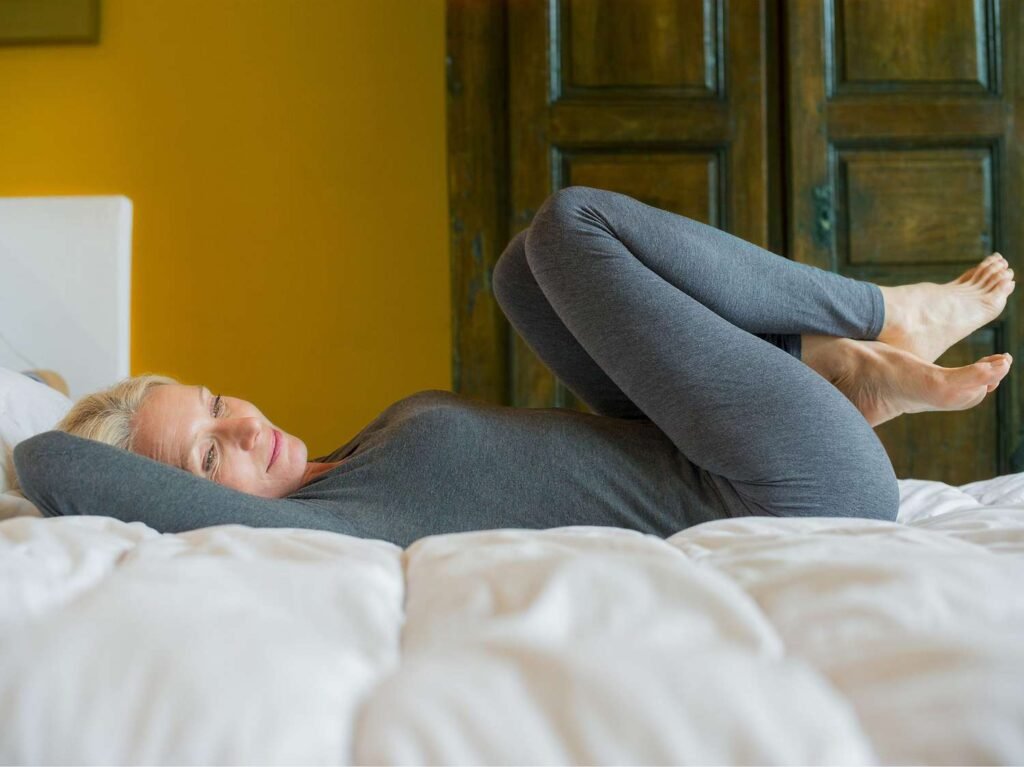
If you need longer-lasting comfort while sleeping, try these instead:
🌿 Microwavable Heat Packs
- Retain heat safely without electricity
- Lower risk of burns
- Gradual cooling = safer overnight
🛁 Warm Bath Before Bed
- Relaxes muscles naturally
- Improves circulation
- Helps you fall asleep faster
🧘 Gentle Stretching Before Sleep
Try:
- Knee-to-chest stretch
- Hamstring stretch
- Cat-cow movement
These reduce tension so you don’t rely on heat overnight.
🛏️ Fix the ROOT Problem (This is Important)
Heat is temporary relief — but your setup matters more.
✔️ Improve Your Sleep Position
- Back sleepers: pillow under knees
- Side sleepers: pillow between knees
- Avoid stomach sleeping
✔️ Upgrade Your Sleep Support
A supportive mattress and proper pillow alignment can reduce back pain long-term — often more than heat therapy alone.
If you’re using heat regularly, it may be worth upgrading to a high-quality heating pad with safety features like:
- Auto shut-off
- Adjustable heat settings
- Even heat distribution
👉 A better device can make a huge difference in both comfort and safety.
⚡ Best Practices for Using Heating Pads Safely
Follow these rules every time:
- Limit use to 15–20 minutes
- Never fall asleep with it on
- Use a cloth barrier between pad and skin
- Start with low heat settings
- Stay hydrated
🧠 Final Verdict
So, can you leave a heating pad on all night?
👉 No — it’s not safe.
While heat therapy is incredibly effective for back pain relief, overnight use increases the risk of burns, skin damage, and dehydration.
Instead:
- Use heat before bed
- Combine it with stretching and good posture
- Focus on long-term solutions for lasting relief
This content is for informational purposes only and does not replace medical advice. Always consult a healthcare professional for persistent or severe pain.