Lower back pain can be frustrating, exhausting, and sometimes downright miserable.
When pain hits, most people immediately reach for ice or heat — but using the wrong one at the wrong time can actually slow recovery or even make discomfort worse.
The truth is, both heat and ice can help lower back pain — if used correctly.
Here are the most common mistakes people make when using heat or ice for back pain and how to avoid them.
Why Ice and Heat Work Differently
Before using either treatment, it helps to understand what they actually do.
Ice Helps Reduce Inflammation
Cold therapy works by:
- Reducing swelling
- Numbing painful areas
- Calming inflammation
- Slowing pain signals
Ice is usually best for new pain, injuries, or inflammation.
Heat Helps Relax Muscles
Heat therapy works by:
- Increasing blood flow
- Relaxing tight muscles
- Improving flexibility
- Reducing stiffness
Heat tends to work best for tight, sore, or chronic back pain.
You may also like:
Heat vs Ice for Lower Back Pain: How to Choose the Right One for Faster Relief
Mistake #1: Using Heat Right After a Fresh Injury
This is one of the biggest mistakes people make.
If your back pain started suddenly after:
- Lifting something heavy
- Twisting awkwardly
- Exercising too hard
- A sudden strain
Using heat immediately may actually increase inflammation.
In many cases, ice is the better first step for the first 24–48 hours.
Why?
Because fresh injuries often involve swelling that heat can temporarily worsen.
Mistake #2: Leaving Ice on Too Long
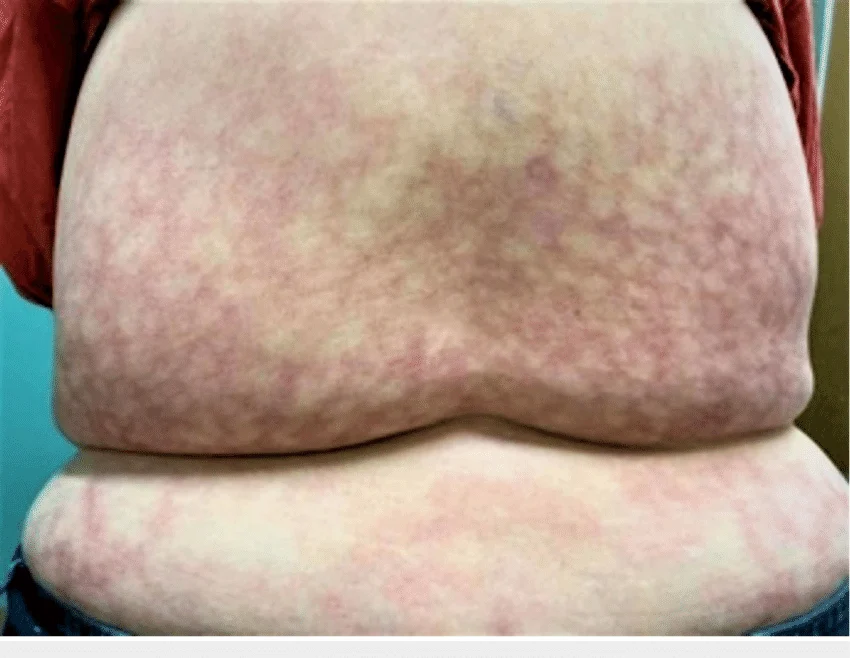
More ice is not always better.
Many people think keeping ice on longer means faster healing — but too much cold exposure can irritate the skin and nerves.
For safe use:
- Apply ice for 15–20 minutes max
- Always wrap ice in a towel
- Never place directly on skin
- Wait before reapplying
Too much ice may leave your skin overly sensitive or uncomfortable.
Mistake #3: Sleeping With a Heating Pad
Heat can feel amazing before bed — but sleeping with a heating pad on all night may not be safe.
Risks can include:
- Skin irritation
- Overheating
- Low-temperature burns
- Increased sensitivity
Even low settings may cause issues if used for too long.
You may also like:
Can You Sleep With a Heating Pad on Your Back All Night?
Mistake #4: Using Ice for Chronic Tightness
If your back feels:
- Tight
- Stiff
- Achy after sitting
- Sore from tension
Ice may not give the relief you want.
Heat often works better for muscle tightness because it helps muscles relax.
Many people with desk jobs or long sitting hours notice heat feels better for tension-related discomfort.
Mistake #5: Using Heat Too Long
Longer heat sessions do not always equal better relief.
Try to limit heat to:
15–20 minutes at a time
Overusing heat may sometimes increase irritation instead of helping.
You may also like:
How Long Should You Use a Heating Pad for Lower Back Pain?
Mistake #6: Ignoring Daily Habits That Trigger Pain
Heat and ice help — but they are not magic fixes.
If you continue:
- Sitting too long
- Poor posture
- Skipping movement
- Not stretching
Pain often keeps returning.
Temperature therapy works best alongside healthy habits.
Helpful daily changes include:
- Walking regularly
- Gentle stretching
- Better sitting posture
- Taking standing breaks
You may also like:
How to Relieve Lower Back Pain at Home (Step-by-Step Daily Routine)
Mistake #7: Choosing Heat or Ice Without Understanding Your Pain
A simple rule of thumb:
Try Ice If Your Pain Feels:
- Sharp
- Inflamed
- Sudden
- Injury-related
Try Heat If Your Pain Feels:
- Tight
- Stiff
- Chronic
- Tension-related
Knowing the difference can help you get relief faster.
You may also like:
Heat or Ice for Lower Back Pain: Which Works Faster?
Final Thoughts
Ice and heat can both be effective for lower back pain — but using them incorrectly may slow recovery.
Ice often works better for inflammation and fresh injuries, while heat usually helps stiffness and muscle tightness.
The key is understanding what type of pain you have before choosing treatment.
If pain becomes severe, lasts a long time, or worsens, speak with a healthcare professional.
PathwayToRelief.com provides educational wellness information only and does not offer medical advice. Always consult a qualified healthcare professional before making changes to your health routine.