Wondering whether heat or ice is better for lower back pain? Learn when to use each, when to avoid them, and the safest way to get relief.
Lower back pain can show up suddenly after lifting something heavy, sitting too long, sleeping wrong, or dealing with everyday stress on your muscles.
One of the most common questions people ask is:
Should I use heat or ice?
The truth is — both can help, but using the wrong one at the wrong time can make discomfort worse or slow recovery.
The key is understanding when heat works best and when ice is the smarter option.
Heat vs Ice: What’s the Difference?
Heat and ice help lower back pain in completely different ways.
Ice Therapy
Ice works by:
- Reducing inflammation
- Numbing pain signals
- Decreasing swelling
- Calming irritated tissues
Ice is often most helpful right after an injury or sudden pain flare-up.
Heat Therapy
Heat works by:
- Relaxing tight muscles
- Increasing blood flow
- Improving flexibility
- Reducing stiffness
Heat tends to work best for muscle tension and ongoing lower back discomfort.
When You Should Use Ice for Lower Back Pain
Ice is usually the better choice when pain is new, swollen, or inflamed.
You may want to try ice if your pain started after:
- Lifting something heavy
- Twisting awkwardly
- A workout injury
- Sudden sharp lower back pain
- Muscle strain
If your back feels hot, swollen, or irritated, ice may help calm inflammation faster.
How to Use Ice Safely
Use an ice pack wrapped in a towel for:
15–20 minutes at a time
Avoid placing ice directly on skin because it may irritate or damage sensitive tissue.
Mistakes to Avoid With Ice
Many people accidentally overdo cold therapy.
Avoid:
- Using ice longer than 20 minutes
- Applying ice directly to bare skin
- Using only ice for chronic stiffness
- Ignoring posture problems causing pain
When You Should Use Heat for Lower Back Pain
Heat is usually better for tight muscles, stiffness, and chronic pain.
You may benefit from heat if your lower back pain feels:
- Tight
- Stiff
- Achy
- Sore after sitting too long
- Worse in the morning
Heat helps loosen muscles and improve circulation, which may help you move more comfortably.
Many people dealing with desk jobs or poor posture find heat especially helpful.
Safe Ways to Use Heat Therapy
Common options include:
- Heating pads
- Warm compresses
- Heated wraps
- Warm baths or showers
Most people should use heat for:
15–20 minutes at a time
Using heat too long may irritate tissues instead of helping.
Related Reading:
How Long Should You Leave a Heating Pad on Your Back?
Important Heating Pad Safety Tip
Avoid sleeping with a heating pad on your back overnight.
Long exposure may increase the risk of irritation or low-temperature burns.
Read this next:
Can You Sleep With a Heating Pad on Your Back All Night?
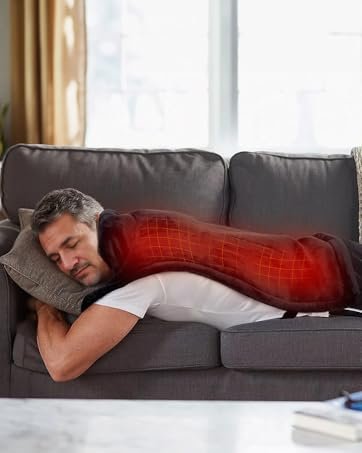
Person using heating pad safely on lower back while relaxing at home
Can Heat Make Lower Back Pain Worse?
Other Things That May Help Lower Back Pain
Heat and ice can help — but long-term relief often comes from improving daily habits too.
You may also benefit from:
- Gentle stretching
- Better sitting posture
- Walking regularly
- Taking breaks from sitting
- Supportive sleep and recovery habits
You may also like:
How Poor Sleep Makes Pain Worse (And How to Fix It Naturally)
Natural Ways to Reduce Inflammation and Pain Without Medication
The Best Approach: Use Both at Different Times
Sometimes the answer isn’t choosing one.
For many cases of lower back pain, alternating heat and ice can work well.
Simple strategy:
For New Pain or Injury:
Start with ice for 24–48 hours
For Tightness and Recovery:
Switch to heat therapy afterward
This approach may help reduce irritation while also relaxing muscles later.
Heat vs Ice for Lower Back Pain: Which Works Faster?
Here’s the simple answer:
Ice tends to work faster for sudden pain and inflammation.
Heat tends to work faster for stiffness and muscle tightness.
The “best” option depends on why your lower back hurts in the first place.
If your pain comes from sitting too long or muscle tension, heat may bring quicker relief.
If pain started suddenly after strain or injury, ice is often the better choice.
Other Things That May Help Lower Back Pain
Heat and ice can help — but long-term relief often comes from daily habits too.
You may also benefit from:
- Gentle stretching
- Better sitting posture
- Walking regularly
- Taking breaks from sitting
- Supportive seating
You may also like:
How to Sit Without Lower Back Pain
Final Thoughts
There’s no one-size-fits-all answer when it comes to heat vs ice for lower back pain.
If pain is new, sharp, or inflamed, start with ice.
If pain feels tight, stiff, or chronic, heat may work better.
And for many people, using both at different stages offers the best relief.
This content is for informational purposes only and is not medical advice. Always consult a healthcare professional for proper diagnosis and treatment.