Lower back pain can make everyday life miserable. Whether the pain started suddenly after lifting something heavy or slowly developed from sitting too long, one of the biggest questions people ask is:
Should I use heat or ice for lower back pain?
The truth is, both heat and ice can help — but they work in very different ways. Using the wrong one at the wrong time may slow recovery or make discomfort worse.
This guide explains exactly when to use heat, when to use ice, and how to know which one your back actually needs.
Why Heat and Ice Work Differently
Heat and ice are both forms of therapy, but they target pain in different ways.
Ice therapy helps by:
- Reducing inflammation
- Numbing sore areas
- Decreasing swelling
- Calming sharp pain
Heat therapy helps by:
- Relaxing tight muscles
- Improving circulation
- Increasing flexibility
- Reducing stiffness and tension
Because they work differently, the best choice depends on what type of lower back pain you are experiencing.
When Ice Is Better for Lower Back Pain
Ice is usually best when the pain is new, inflamed, or sharp.
You may benefit from ice if:
- You recently strained your back
- You lifted something heavy and pain suddenly started
- There is swelling or tenderness
- The pain feels sharp or inflamed
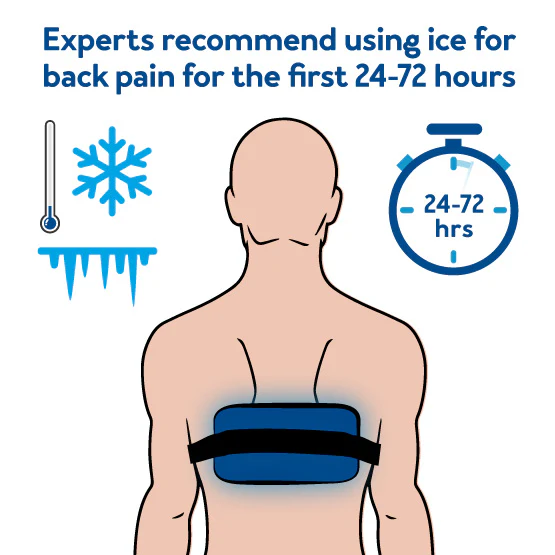
Cold therapy works best during the first 24 to 48 hours after an injury because it helps calm inflammation before it gets worse.
How to Use Ice Safely
For best results:
- Use an ice pack wrapped in a towel
- Apply for 15–20 minutes at a time
- Wait at least 1 hour between sessions
- Never place ice directly on skin
Using ice too long can irritate the skin and may actually increase discomfort.
When Heat Is Better for Lower Back Pain
Heat works best for muscle tightness, stiffness, and chronic discomfort.
You may benefit from heat if:
- Your back feels stiff in the morning
- Muscles feel tight or tense
- You sit for long periods
- Pain keeps returning over time
Heat increases blood flow, helping muscles loosen and relax.
Many people with desk jobs or chronic tension find heat especially helpful after long sitting sessions.
How to Use Heat Safely
For safe heat therapy:
- Use a heating pad on low or medium heat
- Limit sessions to 15–20 minutes
- Avoid falling asleep with a heating pad
- Place a thin layer between skin and heat source if needed
You may also like:
Can You Sleep With a Heating Pad on Your Back All Night?
Heat vs Ice: Which Works Faster?
Many people want fast relief — but “faster” depends on the problem.
Ice may work faster if:
- Pain comes from sudden injury
- There is swelling or inflammation
- Pain feels sharp or irritated
Heat may work faster if:
- Pain comes from tight muscles
- Stiffness is the main problem
- You feel soreness after sitting too long
In other words:
Ice helps calm inflammation.
Heat helps relax muscles.
If you are unsure which to use, pay attention to how your back feels:
Sharp and swollen? Try ice.
Tight and stiff? Try heat.
You may also like:
Heat or Ice for Lower Back Pain: Which Works Faster?
Can You Use Heat and Ice Together?
Yes — many people get the best results by using both at different times.
A common approach is:
Step 1: Start With Ice
Use ice during the first 24–48 hours after a strain or flare-up.
Step 2: Switch to Heat
Once inflammation improves, heat may help relax muscles and improve movement.
Some people alternate heat and ice throughout the day depending on symptoms.
Common Mistakes People Make
Using Heat Too Soon After an Injury
Applying heat immediately after a fresh injury may increase swelling.
Using Ice for Too Long
Too much cold exposure can irritate nerves and skin.
Sleeping With Heat Overnight
Leaving a heating pad on too long may increase burn risk.
You may also like:
Is It Safe to Sleep With a Heating Pad on Your Back?
Other Things That May Help Lower Back Pain
Heat and ice often work best when combined with healthy habits.
You may also benefit from:
- Gentle stretching
- Walking regularly
- Better sitting posture
- Taking movement breaks
- Supportive seating
You may also like:
How to Relieve Lower Back Pain at Home (Step-by-Step Daily Routine)
Final Thoughts
There is no one-size-fits-all answer when choosing heat vs ice for lower back pain.
Ice may work better for inflammation and fresh injuries, while heat often helps stiffness and muscle tension.
The key is choosing the right option for the type of pain you are feeling.
If symptoms become severe, worsen, or continue for a long time, speak with a healthcare professional.
PathwayToRelief.com provides educational wellness information only and does not offer medical advice. Always consult a qualified healthcare professional before making changes to your health routine.