Learn when to use heat or ice for lower back pain based on your symptoms. Discover the benefits of each therapy, common mistakes to avoid, and practical tips for faster recovery.
If you’re experiencing lower back pain, one of the first questions you may ask is whether you should use heat or ice. While both therapies can provide relief, choosing the wrong one for your situation may delay recovery or make your discomfort feel worse.
The good news is that there isn’t a complicated answer. The best treatment depends on what is causing your pain, how long you’ve been experiencing it, and whether the area is inflamed or simply tight and stiff.
Understanding when to use heat, when to use ice, and when it may be appropriate to transition from one to the other can help you manage everyday lower back pain more effectively.
Why the Cause of Your Pain Matters
Not all lower back pain develops for the same reason.
Your discomfort may be caused by:
- Muscle strain
- Poor posture
- Sitting for long periods
- Overexertion during exercise
- Muscle tightness
- Minor inflammation
- Arthritis or age-related stiffness
Because these conditions affect your body differently, the treatment that works best for one person may not be the right choice for another.
When Ice Is Usually the Better Choice
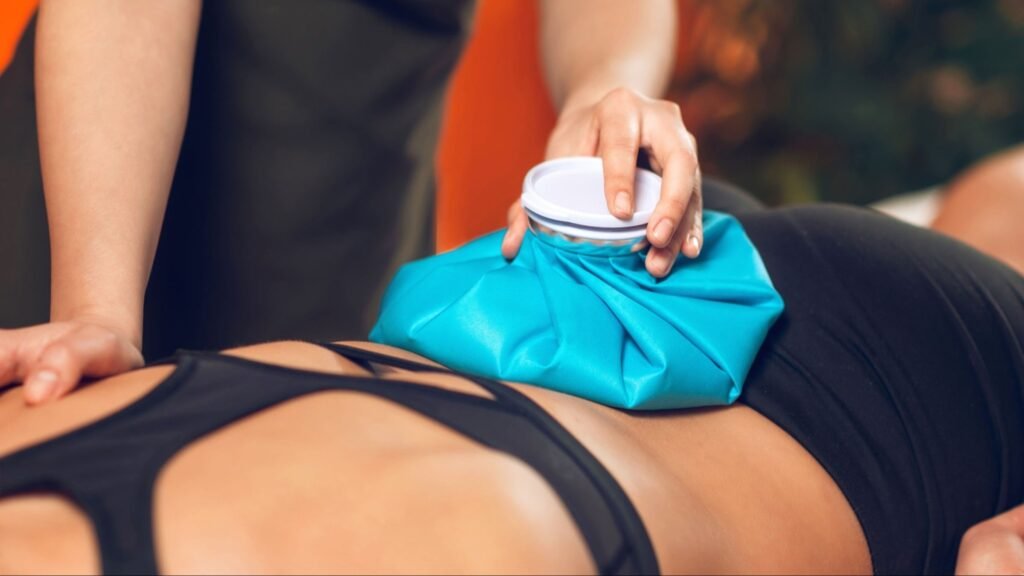
Ice therapy is generally recommended during the first stage of an injury when inflammation is present.
Ice may help if your pain started suddenly after:
- Lifting something heavy
- Twisting awkwardly
- Sports or exercise
- A fall
- Overexertion
Ice works by narrowing blood vessels, which may temporarily reduce swelling while also numbing painful tissues.
Many people find that ice helps relieve:
- Sharp pain
- Swelling
- Tenderness
- Minor inflammation
- Muscle strains during the first day or two
How to Use Ice Safely
For most people, applying ice correctly is just as important as deciding to use it.
General recommendations include:
- Apply ice for 15 to 20 minutes at a time.
- Wait at least two hours before applying again.
- Always place a towel or cloth between the ice pack and your skin.
- Avoid falling asleep with an ice pack.
Using ice for too long may irritate the skin or surrounding nerves.
When Heat Is Usually the Better Choice
Heat therapy is often more helpful once the initial inflammation has settled or when your pain is mainly caused by muscle tightness and stiffness.
Heat may be beneficial for:
- Chronic lower back discomfort
- Tight muscles
- Morning stiffness
- Sitting-related soreness
- Mild muscle spasms
- General tension
Heat increases blood circulation, allowing oxygen and nutrients to reach muscles while encouraging them to relax.
Many people notice they move more comfortably after using gentle heat before stretching or walking.
If your lower back feels especially stiff when you wake up, you may also enjoy reading Why Lower Back Pain Is Worse in the Morning (And How to Fix It):
How to Use Heat Safely
Heat therapy works best when used in moderation.
You can use:
- Heating pads
- Warm compresses
- Heated wraps
- Warm showers
- Warm baths
Apply heat for approximately 15 to 30 minutes at a comfortable temperature.
Avoid extremely hot temperatures, especially if you have reduced sensation or circulation problems.
If you’re using a heating pad regularly, be sure to read:
Can You Use a Heating Pad Too Much? Safe Limits for Back Pain Relief
Heat vs. Ice: A Quick Decision Guide
| If your pain is… | Better Choice |
|---|---|
| Sharp after lifting | Ice |
| Swollen or inflamed | Ice |
| New muscle strain | Ice |
| Tight muscles | Heat |
| Morning stiffness | Heat |
| Sitting all day | Heat |
| Chronic aching | Heat |
| Muscle spasms | Heat |
Can You Use Both Heat and Ice?
Sometimes.
For certain types of muscle injuries, many people begin with ice during the first 24 to 48 hours if inflammation is present.
After swelling improves, gentle heat may help loosen tight muscles and improve mobility.
Some healthcare professionals also recommend alternating heat and ice for certain conditions, although this approach isn’t appropriate for every injury.
If your pain continues to worsen or you’re unsure which therapy is appropriate, it’s a good idea to seek medical advice.
Common Mistakes People Make
Even though heat and ice are simple therapies, they aren’t always used correctly.
Some of the most common mistakes include:
Using Heat Too Soon
Applying heat immediately after a fresh injury may increase blood flow to an already inflamed area, potentially making swelling worse.
Leaving Ice On Too Long
Long applications can irritate the skin or increase discomfort instead of improving it.
Applying Therapy Directly to Bare Skin
Always use a protective towel between your skin and the ice pack or heating source.
Ignoring Persistent Pain
Heat and ice are designed to help manage minor everyday discomfort—not diagnose or treat serious medical conditions.
Other Ways to Support Lower Back Recovery
Heat and ice work best when combined with healthy daily habits.
You may also benefit from:
- Gentle walking
- Light stretching
- Improving posture
- Taking regular movement breaks
- Sleeping with proper spinal support
- Using an ergonomic chair while working
If your discomfort develops after spending hours sitting, you may find this guide helpful:
How to Fix Lower Back Pain After Sitting
When Should You See a Healthcare Professional?
Most mild lower back pain improves over time with rest, movement, and self-care.
However, seek prompt medical attention if you experience:
- Severe pain after a fall or accident
- Loss of bladder or bowel control
- Significant leg weakness
- Numbness in the groin area
- Fever along with back pain
- Pain that continues to worsen despite home care
- Symptoms lasting several weeks without improvement
These symptoms may indicate a more serious underlying condition that requires professional evaluation.
Products That May Help
While no product can cure lower back pain, some people find additional comfort using supportive home therapy products.
Popular options include:
- Electric heating pads
- Reusable gel ice packs
- Lumbar support cushions
- Microwave heat wraps
- Cold compression packs
Always follow the manufacturer’s instructions for safe use.
Ready to improve your comfort at home?
Check today’s prices on Amazon for highly rated heating pads, reusable ice packs, and lumbar support cushions that may help support your recovery.
Frequently Asked Questions
Is heat or ice better for lower back pain?
It depends on the cause of your pain. Ice is generally better for recent injuries and inflammation, while heat is often more effective for muscle tightness and chronic stiffness.
How long should I use a heating pad?
Most people should limit heating pad sessions to about 15 to 30 minutes unless instructed otherwise by a healthcare professional.
How long should I ice my lower back?
Ice is typically applied for 15 to 20 minutes at a time with at least two hours between sessions.
Can I alternate heat and ice?
For some injuries, alternating heat and ice after the initial inflammation has decreased may provide additional relief. If you’re unsure, consult a healthcare professional.
Can heat make inflammation worse?
Yes. Applying heat too soon after a fresh injury may increase blood flow and temporarily worsen swelling.
Is walking better than staying in bed?
For many people with mild lower back pain, gentle walking and regular movement can support recovery better than prolonged bed rest. However, severe pain or injuries should be evaluated by a healthcare professional.
Final Thoughts
Choosing between heat and ice doesn’t have to be confusing.
As a general rule:
- Use ice for new injuries, inflammation, or sudden sharp pain.
- Use heat for muscle stiffness, chronic aches, and tension.
- Combine either therapy with gentle movement, good posture, and healthy daily habits for the best results.
Paying attention to what caused your discomfort can help you choose the most appropriate treatment and may improve your recovery.
Related Articles
Why Lower Back Pain Is Worse in the Morning (And How to Fix It)
How to Fix Lower Back Pain After Sitting
Can You Use a Heating Pad Too Much? Safe Limits for Back Pain Relief
How Poor Sleep Can Make Pain Worse
As an Amazon Associate, PathwayToRelief.com may earn a commission from qualifying purchases made through links on this page. This comes at no additional cost to you and helps support the creation of free educational content.
Medical Disclaimer
PathwayToRelief.com provides educational wellness information only and does not provide medical advice, diagnosis, or treatment. Always consult a qualified healthcare professional regarding any medical concerns, persistent pain, or before beginning new treatments or making significant changes to your healthcare routine.