Learn why lower back pain feels worse after sitting and simple, effective ways to relieve pain fast and prevent it daily.
If your lower back feels stiff, tight, or painful after sitting, you’re not imagining it.
Many people notice their pain is mild while sitting — but worse when they stand up or move. This is a very common issue, especially for anyone who spends long hours at a desk or driving.
The good news? Once you understand why it happens, it becomes much easier to fix.
🪑 Why Lower Back Pain Gets Worse After Sitting
Sitting itself isn’t the problem — it’s how long and how often you sit without movement.
When you stay in one position too long, several things happen in your body:
What’s happening behind the scenes:
Tight Hip Flexors
Your hip muscles shorten while sitting, which pulls on your lower back when you stand.
Inactive Core Muscles
Your core helps support your spine. When sitting too long, these muscles “switch off,” reducing support.
Spinal Compression
Sitting places more pressure on your spinal discs than standing, especially with poor posture.
Reduced Blood Flow
Less movement means less circulation, which can lead to stiffness and discomfort.
👉 For a deeper explanation of why this happens, you can read:
⚠️ Signs Sitting Is Causing Your Back Pain
Not sure if sitting is the main cause? These signs can help you identify it:
- Pain when standing up after sitting
- Stiffness after long periods of inactivity
- Tight hips or hamstrings
- Pain that improves once you start moving
- Discomfort that returns after sitting again
If this sounds familiar, your daily sitting habits are likely playing a big role.
⚡ Quick Fixes That Actually Work
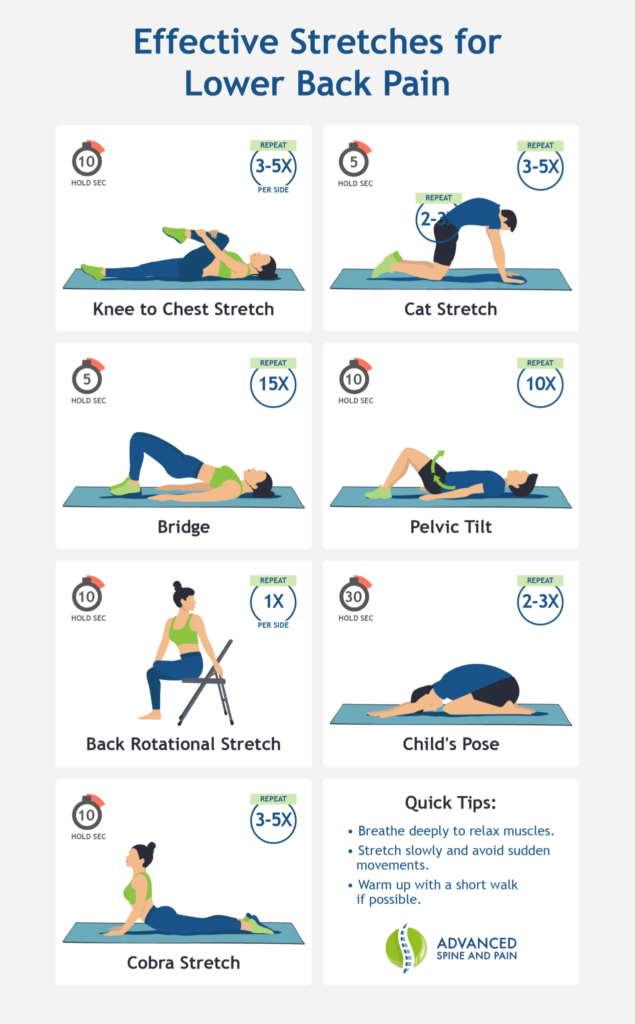
You don’t need a complicated routine to feel better. These simple changes can make a noticeable difference quickly.
1. Stand and Move Every 30–45 Minutes
This is one of the fastest ways to relieve pressure on your lower back. Even a short walk or stretch helps reset your spine.
2. Stretch Your Hips and Legs
Tight hips are one of the biggest contributors to back pain.
Focus on:
- Hip flexor stretches
- Hamstring stretches
- Gentle lower back stretches
3. Improve Your Sitting Position
Make sure:
- Your feet are flat on the floor
- Your back is supported
- Your screen is at eye level
Small posture adjustments can reduce strain significantly.
🔥 Use Heat for Fast Relief
If your back feels stiff after sitting, heat can help loosen muscles quickly.
Heat therapy works by:
- Increasing blood flow
- Relaxing tight muscles
- Reducing stiffness
👉 Learn how to use heat safely here:
❌ Common Mistakes That Make It Worse
Many people unknowingly make their pain worse with these habits:
- Sitting for hours without breaks
- Slouching or leaning forward
- Ignoring early stiffness
- Not stretching or moving throughout the day
Fixing these small habits can lead to big improvements.
🧠 Long-Term Fix: Change Your Daily Habits
Quick fixes help, but lasting relief comes from consistency.
To prevent pain from coming back:
- Take regular movement breaks
- Strengthen your core muscles
- Maintain good posture
- Stay active daily
👉 You can also explore more ways to improve your routine here:
❓ When to Be Concerned
Most sitting-related back pain improves with simple changes. However, you should seek medical advice if:
- Pain lasts longer than a few weeks
- Pain becomes severe or constant
- You experience numbness or tingling
💬 Final Thoughts
Lower back pain that feels worse after sitting is extremely common — but it’s also very manageable.
The key is simple:
👉 Move more
👉 Sit better
👉 Support your body
Once you start making these changes, you’ll likely notice relief faster than you expect.
PathwayToRelief.com provides educational wellness information only and does not offer medical advice. Always consult a qualified healthcare professional before making changes to your health routine.