Ever gone for a simple walk… and afterward your lower back felt tight, sore, or heavy?
You’re not imagining it. Many people experience back pain after walking, especially as they get older or spend long hours sitting during the day.
The good news:
You usually don’t need medication.
Most walking-related back pain is mechanical, meaning it comes from posture, weak muscles, and movement habits — not injury. Small daily changes can relieve discomfort and prevent it from coming back.
In this guide you’ll learn:
- why your back hurts after walking
- simple posture corrections
- home remedies that actually help
- stretches and exercises that protect your spine

lower back pain after walking outdoors
Why Your Back Hurts After Walking: The Most Common Causes
Poor Posture and Body Alignment
Slouching while walking places continuous pressure on the lower spine. Many people walk with:
- head forward
- rounded shoulders
- weak abdominal engagement
This forces your back muscles to overwork, leading to soreness afterward.
Try this simple check:
Keep your head upright, shoulders relaxed, and imagine a string gently pulling the top of your head upward.
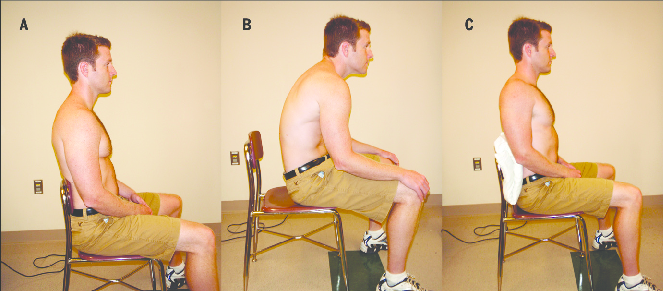
correct vs incorrect walking posture alignment
Weak Core and Back Muscles
Your spine depends on your core muscles for support.
If your core is weak, your lower back takes over the workload. After 10–30 minutes of walking, muscles fatigue and pain appears.
Sitting most of the day is actually one of the biggest reasons this happens.
Unsupportive Footwear and Hard Surfaces
Shoes matter more than people think.
Flat shoes, worn sneakers, or hard soles transfer impact directly into your spine — especially when walking on concrete or pavement.
Better footwear reduces shock and protects your back.
Overstriding and Gait Mechanics
Many people walk with steps that are too long.
This is called overstriding.
It causes repeated jarring of the lower spine.
Instead:
Take slightly shorter steps and maintain a smooth rhythm.
Simple Posture Corrections That Relieve Back Pain While Walking
Head and Shoulder Position
Your ears should stay roughly over your shoulders — not forward.
Relax your shoulders down and back.
Tension in the shoulders pulls on the spine and creates lower back fatigue.
Engage Your Core
Lightly tighten your abdominal muscles while walking.
You are not sucking in your stomach — you are gently bracing your midsection.
This stabilizes your spine and immediately reduces strain.
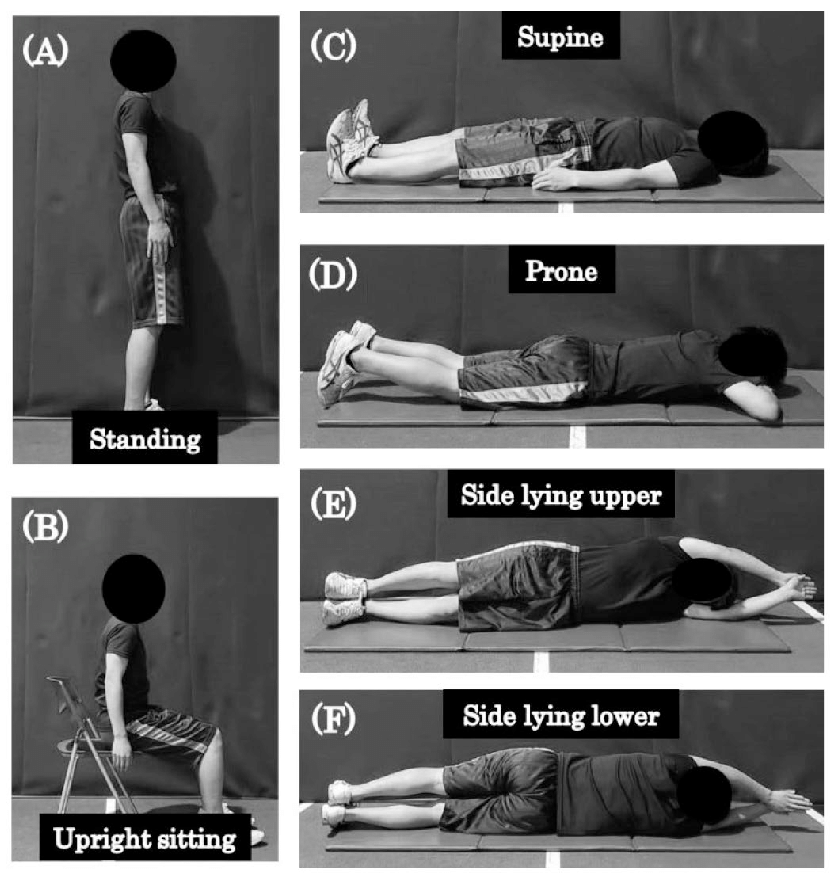
engaging core muscles while walking
Improve Your Stride
Two changes make a big difference:
• land mid-foot instead of heavy heel striking
• shorten your stride slightly
This reduces impact traveling up the spine.
Daily Habits and Home Remedies That Help
Hydration and Spinal Discs
Your spinal discs are mostly water.
When dehydrated, discs compress more easily and walking becomes painful.
Aim for consistent water intake throughout the day — not all at once.
Heat and Cold Therapy
Ice: use within the first 24 hours after soreness or inflammation
Heat: best for stiffness and muscle tightness
Apply 15–20 minutes at a time.

heat and ice therapy for lower back pain relief
Sleep Positions That Protect the Spine
Your walking pain often comes from how your back recovers at night.
Best options:
- back sleeping with a pillow under knees
- side sleeping with pillow between knees
You can also learn proper sleep alignment in Best Sleeping Positions for Lower Back Pain
Exercises and Stretches to Prevent Walking Back Pain
Pre-Walking Warm-Up
- hip circles
- leg swings
- cat-cow stretch
These activate muscles before stress occurs.
Core Strengthening (Very Important)
Bird Dog Exercise – improves spinal stability
Modified Plank – strengthens support muscles
Glute Bridge – reduces pressure on the lumbar spine
Do 3–4 times per week.
Post-Walking Stretches
- child’s pose
- hamstring stretch
- hip flexor stretch
Stretching after walking prevents next-day stiffness.
Long-Term Prevention
To avoid recurring back pain:
• strengthen your core
• improve posture
• wear supportive shoes
• stay hydrated
• avoid sudden increases in walking distance
Consistency matters more than intensity.
Conclusion
Back pain after walking is extremely common, but it is usually fixable.
Most cases come from muscle imbalance, posture habits, and daily lifestyle patterns — not serious injury. By correcting posture, improving footwear, and performing simple exercises, you can walk comfortably again.
Small changes done consistently produce the biggest relief.
This article is for informational and educational purposes only and does not constitute medical advice. PathwayToRelief.com does not diagnose, treat, or cure medical conditions. Always consult a qualified healthcare professional before starting new exercises, treatments, or health routines, especially if pain is severe, persistent, or worsening.