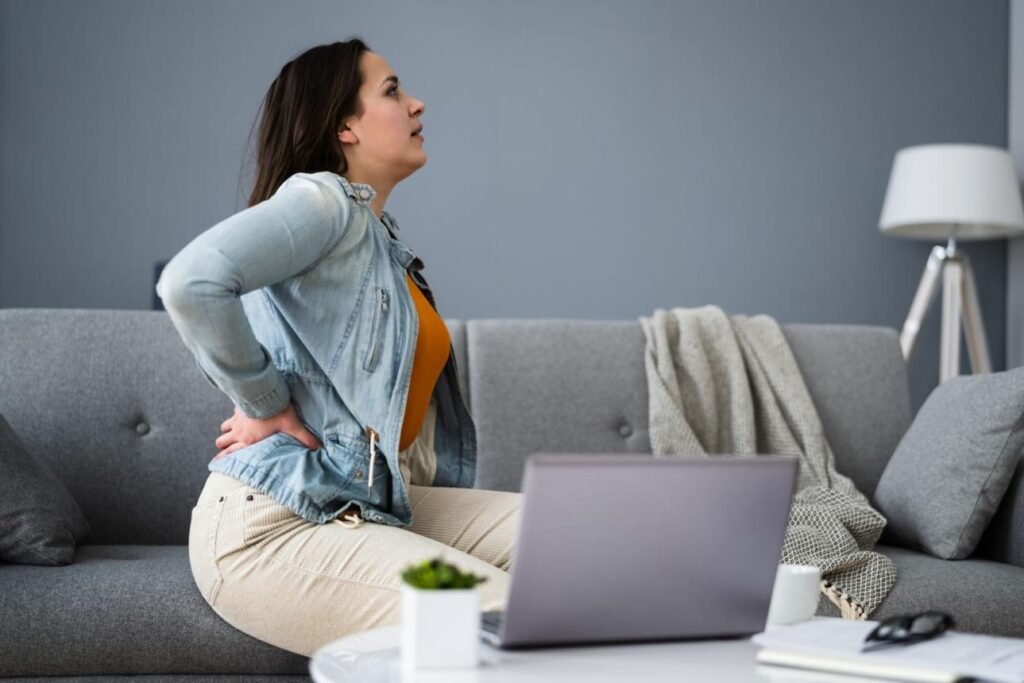
If you deal with aches, stiffness, or ongoing discomfort, your home environment may be making things worse without you realizing it.
Many people assume pain comes only from aging, injury, or health problems—but everyday habits at home can quietly contribute to tension, soreness, and strain.
The good news?
Small changes often make a surprisingly big difference.
Simple adjustments to how you sit, sleep, clean, work, or relax may help reduce unnecessary stress on your body and improve daily comfort.
In this guide, we’ll cover common home pain triggers and practical ways to reduce them.
1. Sitting Too Long Without Moving
One of the biggest hidden pain triggers at home is sitting for long periods.
Whether you work from home, watch TV, scroll your phone, or relax on the couch, staying in one position too long can create stiffness and muscle tension.
Sitting for extended periods may contribute to:
- Lower back pain
- Hip tightness
- Neck stiffness
- Shoulder tension
- Poor circulation
Even good posture won’t completely protect you if you stay seated for hours.
Simple Fixes
Try to:
- Stand every 30–45 minutes
- Stretch briefly
- Walk around the house
- Change sitting positions regularly
Even a few minutes of movement may help reduce stiffness.
2. Poor Couch Posture
Many people sit carefully at a desk but completely forget posture while relaxing.
Slouching into soft couches or twisting your body while watching TV may increase strain on your:
- Lower back
- Neck
- Shoulders
- Hips
Lying sideways on the couch for hours may feel comfortable at first but can leave your body sore later.
Simple Fixes
Try:
- Sitting with back support
- Using a pillow behind your lower back
- Keeping feet supported
- Avoiding awkward twisting positions
Small posture changes can improve comfort dramatically.
3. Looking Down at Your Phone Too Much
Phone posture matters more than most people realize.
Constantly looking downward places extra stress on the neck and upper back.
This often leads to:
- Neck pain
- Shoulder tightness
- Headaches
- Upper back soreness
Some people experience what’s commonly called “tech neck.”
Simple Fixes
Try to:
- Hold devices closer to eye level
- Take regular breaks
- Stretch your neck gently
- Avoid long scrolling sessions
Your neck muscles will thank you.
4. Poor Sleep Position
Your sleep position may quietly affect how your body feels every morning.
Some sleeping positions may place unnecessary pressure on the:
- Lower back
- Neck
- Hips
- Knees
Sleeping on an unsupportive mattress or pillow may also contribute to stiffness.
Common Sleep Mistakes
- Sleeping with poor neck support
- Using flat or worn-out pillows
- Sleeping in twisted positions
- Poor mattress support
Simple Fixes
You may feel more comfortable by:
- Sleeping with proper pillow support
- Placing a pillow between the knees when side sleeping
- Sleeping on your back with support under the knees
You may also like:
How Poor Sleep Makes Pain Worse (And How to Fix It Naturally)
5. Household Cleaning Tasks
Cleaning may seem harmless—but repetitive movements can create strain.
Vacuuming, mopping, scrubbing, and bending repeatedly may irritate muscles and joints.
Common trouble spots include:
- Lower back strain from bending
- Shoulder tension from repetitive motion
- Knee pain from kneeling
Simple Fixes
Try:
- Breaking cleaning into smaller sessions
- Avoiding long periods of repetitive movement
- Switching sides while cleaning
- Using long-handled cleaning tools
Shorter sessions may reduce body strain.
6. Carrying Heavy Laundry Baskets
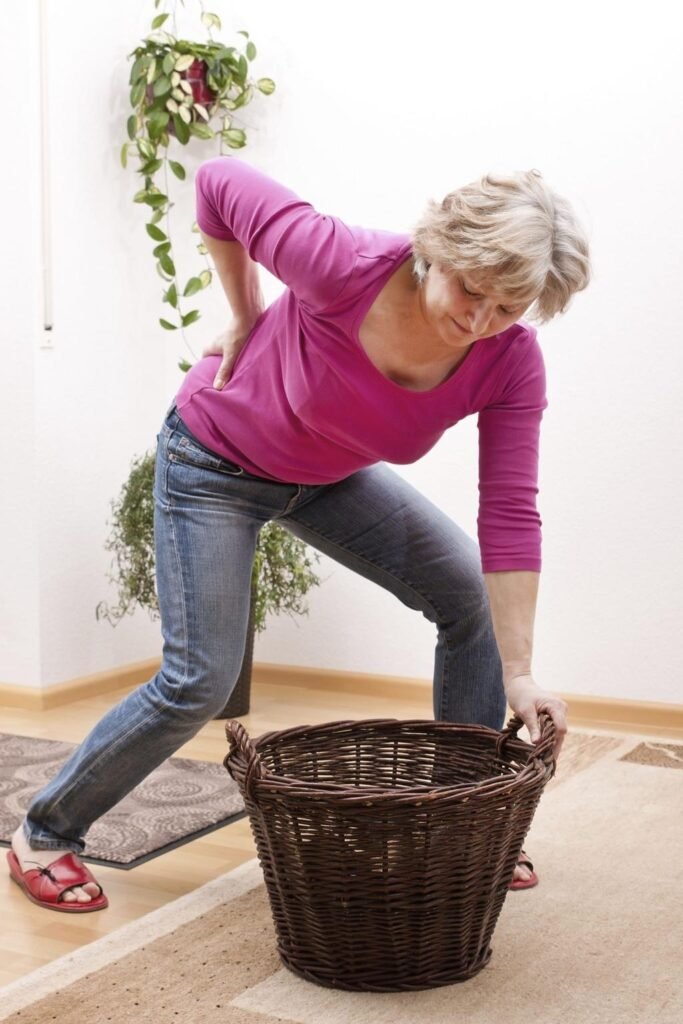
Laundry is one of the most overlooked home pain triggers.
Heavy baskets often strain:
- Lower back
- Shoulders
- Wrists
- Knees
Twisting while lifting can make discomfort even worse.
Simple Fixes
Try:
- Carrying smaller loads
- Using rolling laundry baskets
- Lifting carefully with bent knees
- Avoiding twisting while carrying
Your back will appreciate the difference.
7. Standing Too Long in the Kitchen
Cooking often involves standing in one place for extended periods.
This may increase:
- Lower back discomfort
- Foot pain
- Hip tightness
- Leg fatigue
Standing on hard kitchen floors can make discomfort worse.
Simple Fixes
Helpful ideas include:
- Wearing supportive shoes indoors
- Taking short sitting breaks
- Using anti-fatigue kitchen mats
- Shifting positions often
Even small movement changes help.
8. Poor Home Office Setup
If you work from home, your setup matters.
Poor ergonomics may contribute to:
- Neck pain
- Wrist discomfort
- Shoulder tension
- Lower back pain
Common mistakes include:
- Screens positioned too low
- Unsupported chairs
- Poor posture
- Working from beds or couches
Simple Fixes
Try to:
- Keep screens near eye level
- Support your lower back
- Keep feet flat on the floor
- Take movement breaks
Good ergonomics can reduce daily discomfort significantly.
9. Stress and Muscle Tension

Pain is not always physical.
Stress often causes muscles to tighten—especially in the:
- Neck
- Shoulders
- Jaw
- Lower back
Over time, tension can worsen discomfort.
Simple Fixes
Helpful options may include:
- Deep breathing
- Walking
- Gentle stretching
- Meditation
- Relaxation exercises
Lower stress often supports better comfort.
10. Not Moving Enough During the Day
Too little movement can sometimes make pain worse.
When muscles stay inactive, stiffness increases.
Low activity may contribute to:
- Tight hips
- Reduced flexibility
- Joint stiffness
- Muscle weakness
Simple Fixes
Try:
- Short daily walks
- Gentle stretching
- Standing more often
- Light movement breaks
Consistency matters more than intensity.
11. Ignoring Small Pain Signals
Many people wait until discomfort becomes severe before making changes.
But pain often starts small.
Examples include:
- Mild stiffness after sitting
- Tight shoulders after work
- Morning soreness
- Occasional back discomfort
Listening to early warning signs may help prevent bigger problems later.
12. Poor Daily Recovery Habits
Your body needs time to recover.
Skipping rest, poor sleep, stress, and inactivity can all contribute to discomfort.
Recovery habits matter.
Helpful habits may include:
- Better sleep
- Gentle stretching
- Staying hydrated
- Stress management
- Consistent movement
Small habits add up over time.
Simple Daily Habits That May Help Reduce Pain at Home
If daily discomfort is becoming frustrating, start with simple improvements:
✓ Move more often
✓ Improve sitting posture
✓ Stretch gently
✓ Sleep in supportive positions
✓ Reduce long periods of sitting
✓ Take breaks during chores
✓ Listen to your body
You don’t need to fix everything at once.
Even one or two small changes may improve how your body feels.
Final Thoughts
Many everyday habits at home may quietly contribute to pain without you realizing it.
Poor posture, sitting too long, awkward sleeping positions, repetitive chores, stress, and inactivity can all increase strain on the body.
The encouraging part?
Small adjustments can make a meaningful difference.
Improving comfort often starts with simple awareness and better daily habits.
Start small, stay consistent, and focus on progress—not perfection.
PathwayToRelief.com provides educational wellness information only and does not offer medical advice. Always consult a qualified healthcare professional before making changes to your health routine.