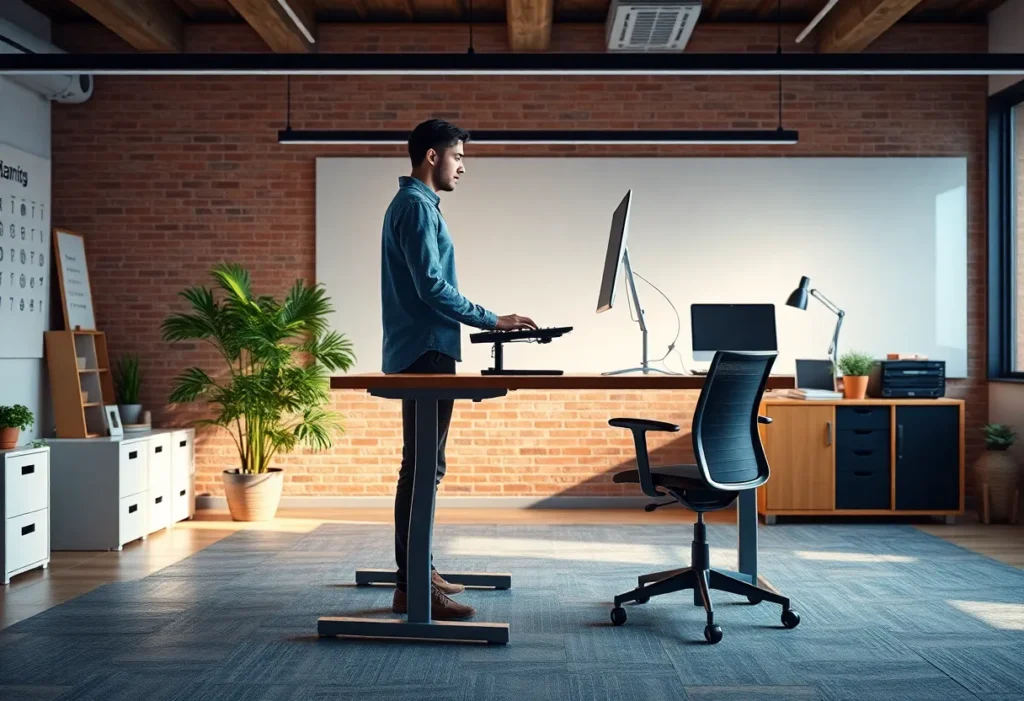
Back pain can make even the simplest daily activities feel difficult. While injuries and certain medical conditions can cause back pain, everyday habits also play a major role in how your back feels. Small changes to your routine can reduce strain on your muscles and spine, improve flexibility, and help prevent pain from becoming a long-term problem.
The good news is that you don’t have to make dramatic lifestyle changes overnight. Consistent healthy habits can make a meaningful difference over time. In this guide, you’ll learn practical daily habits that may help reduce back pain naturally and support better spinal health.
1. Start Your Day with Gentle Stretching
After sleeping, your muscles and joints may feel stiff. Gentle stretching helps increase blood flow, improve flexibility, and prepare your body for movement.
Simple stretches that many people find helpful include:
- Knee-to-chest stretch
- Cat-cow stretch
- Child’s pose
- Standing hamstring stretch
- Pelvic tilts
Move slowly and avoid bouncing or forcing a stretch. If any movement causes sharp pain, stop and consult a healthcare professional.
2. Stay Physically Active
Although resting may seem like the best solution, prolonged inactivity can sometimes make back pain worse.
Low-impact activities that support a healthy back include:
- Walking
- Swimming
- Cycling
- Yoga
- Gentle strength training
Even a 20- to 30-minute walk most days of the week can help improve circulation, strengthen supporting muscles, and reduce stiffness.
3. Maintain Good Posture Throughout the Day
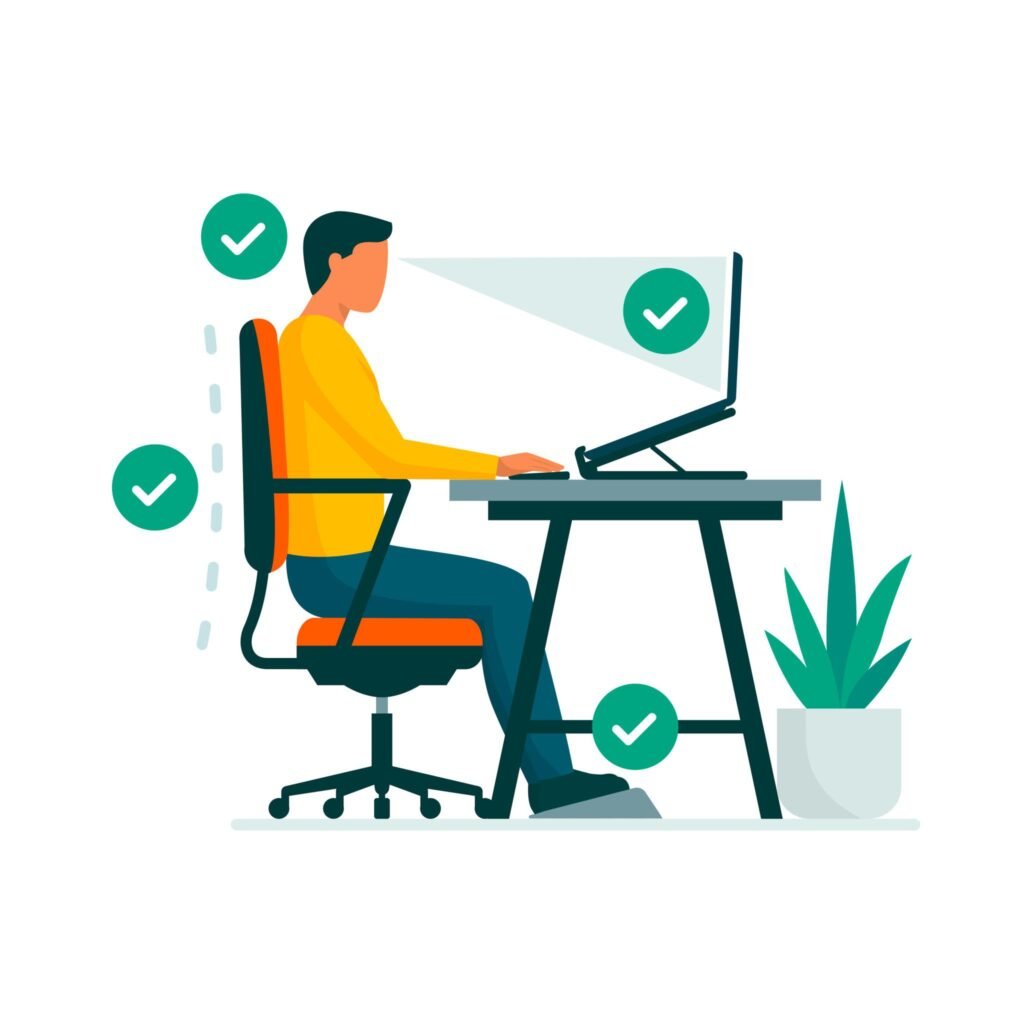
Poor posture places unnecessary stress on your spine, especially if you sit for long periods.
When sitting:
- Keep both feet flat on the floor.
- Sit with your back supported.
- Keep your shoulders relaxed.
- Position your computer monitor at eye level.
- Avoid slouching or leaning forward.
If you work at a desk, stand up and move every 30 to 60 minutes.
If you spend long hours at a desk, learning proper sitting posture can make a big difference. Read our complete guide:
How to Sit Without Lower Back Pain (Simple Desk and Chair Fixes That Actually Help)
4. Lift Objects Correctly
Improper lifting is a common cause of back injuries.
When lifting:
- Bend your knees instead of your back.
- Keep the object close to your body.
- Tighten your core muscles.
- Avoid twisting while carrying heavy objects.
If something feels too heavy, ask for assistance.
5. Use Heat Therapy When Appropriate
Heat therapy may help relax tight muscles and improve blood flow, making it useful for muscle tension and chronic stiffness.
Heating pads, warm baths, and heat wraps are popular options.
If you’re considering using a heating pad, choosing the right one can improve comfort and safety. See our guide:
Best Heating Pads for Back Pain Relief at Home
6. Improve Your Sleep Habits
Sleep gives your muscles and spine time to recover.
To support better spinal alignment:
- Sleep on a supportive mattress.
- Replace worn-out pillows.
- Try sleeping on your side with a pillow between your knees.
- If sleeping on your back, place a pillow beneath your knees.
Good sleep habits may help reduce morning stiffness.
Poor sleep and back pain often create a frustrating cycle. Learn how improving your sleep may help reduce pain:
How Poor Sleep Worsens Pain — And Easy Ways to Sleep Better
7. Maintain a Healthy Weight
Excess body weight can place additional stress on your lower back.
Healthy eating combined with regular physical activity may reduce this extra strain over time.
8. Strengthen Your Core
Your abdominal and back muscles help stabilize your spine.
Simple exercises such as:
- Bird-dog
- Modified plank
- Bridges
- Dead bug exercises
may help improve core stability when performed correctly.
If you have existing back problems, consult a healthcare professional before beginning new exercise routines.
9. Stay Hydrated
Your spinal discs contain a significant amount of water. Staying hydrated supports overall health and may contribute to maintaining healthy spinal structures.
Aim to drink water consistently throughout the day unless your healthcare provider recommends otherwise.
10. Listen to Your Body
Ignoring pain often leads to more serious problems.
Take breaks when needed, change positions regularly, and avoid pushing through severe pain.
Early attention to discomfort may help prevent worsening symptoms.
Common Mistakes That Can Make Back Pain Worse
Many people unknowingly develop habits that increase back pain, including:
- Sitting for several hours without standing
- Poor lifting technique
- Sleeping on an unsupportive mattress
- Skipping exercise completely
- Poor posture while using phones and computers
Replacing these habits with healthier alternatives can make a significant difference over time.
Frequently Asked Questions
Can daily habits really reduce back pain?
For many people, improving posture, staying active, stretching, and maintaining healthy sleep habits may reduce muscle tension and improve comfort. Results vary depending on the cause of the pain.
How long does it take to notice improvement?
Some people notice changes within a few weeks of consistently practicing healthier habits, while others may require longer-term lifestyle adjustments.
When should I see a healthcare professional?
Seek medical care if your back pain:
- Lasts longer than several weeks
- Follows a serious injury
- Causes numbness or weakness
- Spreads down one or both legs
- Affects bladder or bowel control
- Becomes severe or progressively worse
Final Thoughts
Developing healthier daily habits doesn’t guarantee that all back pain will disappear, but consistent lifestyle changes may improve comfort, mobility, and overall spinal health over time.
Focus on making one small improvement at a time. Stretch regularly, stay active, maintain good posture, and prioritize quality sleep. These simple habits can work together to support a healthier back and a more active lifestyle.
Related Articles
Related Articles
- How to Sit Without Lower Back Pain (Simple Desk and Chair Fixes That Actually Help)
- Heat vs Ice for Back Pain: What Actually Works Best?
- Best Heating Pads for Back Pain Relief at Home
- How Poor Sleep Worsens Pain — And Easy Ways to Sleep Better
PathwayToRelief.com provides educational information only and is not a substitute for professional medical advice, diagnosis, or treatment. Always consult a qualified healthcare professional regarding any medical concerns or before beginning a new exercise or treatment program.