Lower back pain is one of the most common physical complaints adults experience. When your back feels tight, stiff, or sore, one of the first things people reach for is a heating pad. But many people still wonder:
Do heating pads actually help back pain, or do they just temporarily mask it?
Heat therapy has been used for centuries to relieve muscle discomfort. Modern heating pads work by increasing circulation to sore areas, allowing oxygen and nutrients to reach muscles faster. This can reduce stiffness, relax muscle tension, and improve mobility.
However — and this is important — heat is not appropriate for every type of back pain. Used at the wrong time, it can actually make pain worse.
In this guide you’ll learn:
- when heating pads help
- when they do not
- and how to use them correctly for real relief
How Heating Pads Work to Relieve Back Pain
The Science Behind Heat Therapy
Heat therapy (thermotherapy) works by widening blood vessels. This process is called vasodilation.
When blood vessels expand:
- more oxygen reaches muscles
- nutrients speed tissue repair
- waste products causing soreness are removed
This is why heat feels soothing almost immediately.
What Happens to Your Muscles When You Apply Heat
When warmth penetrates muscle tissue, several beneficial reactions occur:
- muscle fibers relax
- spasms decrease
- joints move easier
- stiffness reduces
People often think heat “fixes” the problem — but what it really does is allow muscles to loosen so your body can begin recovering naturally.
How Heat Affects Pain Signals
Heat also interacts with your nervous system. Warmth stimulates sensory receptors in the skin which can block pain signals from reaching the brain. This is called the pain gate theory.
In simple terms:
Your brain pays attention to the warmth instead of the pain.
When Heating Pads Actually Help Back Pain
1. Chronic Muscle Tension
If your back pain developed slowly over time, heat is usually very effective.
Common causes:
- desk work
- poor posture
- repetitive movement
- stress tension
Heat relaxes the overworked muscles and restores normal movement.
2. Lower Back Stiffness From Sitting
Sitting compresses spinal discs and tightens hip flexors. This is one of the most common modern back pain triggers.
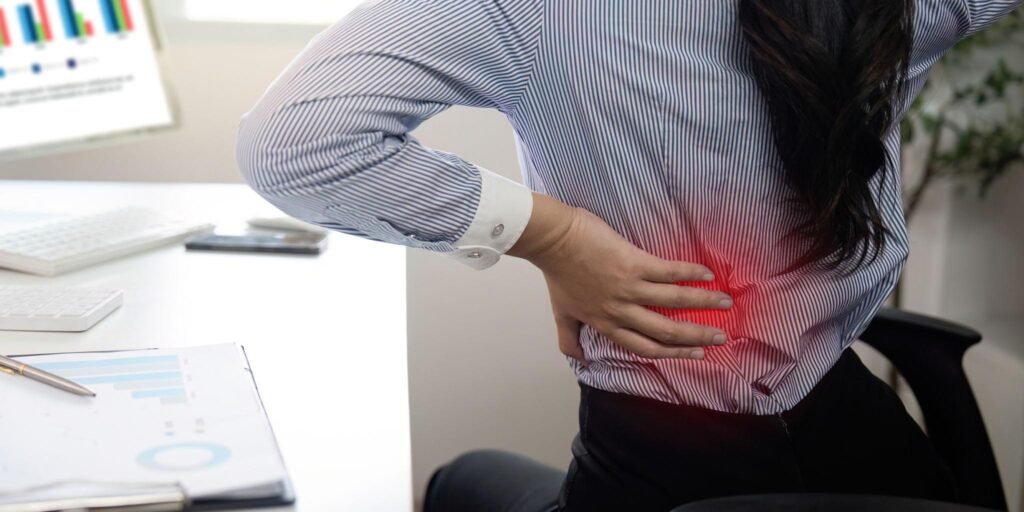
Using a heating pad for 15–20 minutes after work can significantly reduce stiffness.
3. Morning Back Pain
Morning stiffness usually comes from reduced overnight circulation.
A heating pad:
- wakes up muscles
- improves flexibility
- reduces painful first movements
After the paragraph above add:
Read more about morning stiffness in our guide:
Morning Routine for Lower Back Pain Relief (5-Minute Daily Plan That Works)
4. Muscle Knots and Trigger Points
Heat helps release tight knots (trigger points). Warm muscles stretch easier, making recovery faster.
5. Arthritis and Age-Related Back Pain
For arthritis, heat is often better than cold. It reduces joint stiffness and improves daily mobility.
When Heating Pads DON’T Work (And Can Make Things Worse)
1. Fresh Injuries
If your pain started suddenly (lifting injury, twist, strain), do NOT use heat first.
Heat increases blood flow → blood flow increases swelling → swelling increases pain.
For the first 24–48 hours, cold therapy is better.
Signs Your Injury Is Too Fresh
Do NOT use heat if you have:
- swelling
- redness
- bruising
- sharp pain
- warmth in the skin already
2. Nerve Pain (Sciatica)
Heat may help some people — but if burning, tingling, or shooting leg pain increases, stop immediately.
3. Inflammation
Active inflammation needs cold, not heat.
4. Skin Conditions
Avoid heating pads if you have:
- open wounds
- infections
- dermatitis
- reduced sensation (diabetes neuropathy)
Best Way to Use a Heating Pad (Very Important Section)
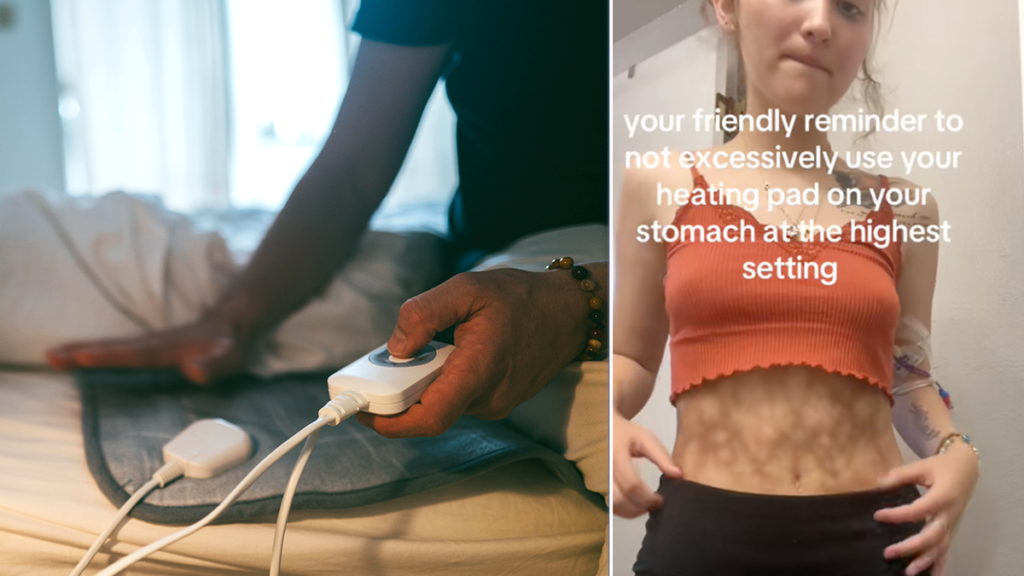
Follow These Rules
Temperature: Warm — not hot
Time: 15–20 minutes
Frequency: 2–3 times daily
Safety Rules
- Never sleep with it on
- Always place cloth between skin and pad
- Stop if skin becomes red
Combine Heat With Movement
After heating, do gentle stretching. Warm muscles respond better and recover faster.
Daily Heat Therapy Routine
- Apply heating pad (15 minutes)
- Perform gentle stretching
- Drink water
- Move around every hour
Consistency matters more than intensity.
Conclusion
Heating pads really can help back pain — but only when used at the right time.
They are best for:
- chronic tightness
- posture pain
- stiffness
- arthritis
They are not for:
- fresh injuries
- swelling
- sharp trauma
When used correctly, heat therapy improves circulation, relaxes muscles, and supports the body’s natural healing process.
Medical Disclaimer:
This article is for informational and educational purposes only and does not constitute medical advice. Always consult a qualified healthcare professional before starting any treatment for back pain, especially if symptoms are severe, persistent, or worsening.