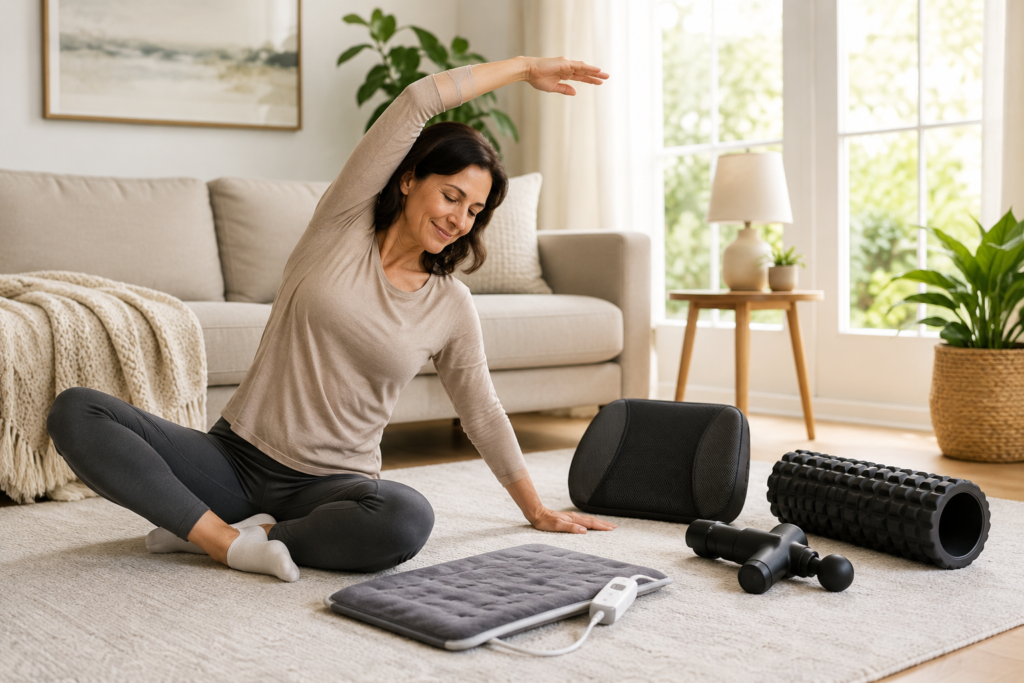
Discover practical, drug-free back pain relief tools that may help reduce stiffness, improve comfort, and support healthier movement. Learn how each tool works and when it may be useful
Back pain affects millions of people every year and can make everyday activities more difficult. Whether your discomfort comes from sitting at a desk, lifting heavy objects, poor posture, or simply getting older, many people look for ways to improve their comfort without relying entirely on medication.
While no product can guarantee relief or replace professional medical care, many supportive tools are designed to help reduce muscle tension, improve posture, encourage movement, and make everyday life more comfortable.
This guide explains several popular drug-free back pain relief tools, how they work, and how they may fit into a healthy daily routine.
Why Many People Choose Drug-Free Back Pain Relief
Many cases of everyday back discomfort are related to lifestyle habits rather than serious medical conditions.
Common contributors include:
- Sitting for long periods
- Poor posture
- Muscle fatigue
- Lack of movement
- Sleeping in uncomfortable positions
- Repetitive daily activities
Simple lifestyle improvements combined with supportive products may help improve comfort while encouraging healthier movement habits.
1. Heating Pads
Heating pads remain one of the most popular home remedies for muscle stiffness.
Gentle heat may help:
- relax tight muscles
- increase circulation
- reduce stiffness
- improve flexibility before stretching
Choose a heating pad with adjustable temperature settings and an automatic shut-off feature for added safety.
Learn more: How Often Should You Use a Heating Pad for Back Pain?
2. Lumbar Support Cushions
If you spend several hours sitting each day, a lumbar support cushion can help maintain the natural curve of your lower back.
Many office workers notice that prolonged sitting increases stiffness and discomfort.
A supportive cushion encourages better posture while reducing pressure placed on the spine during long work sessions.
3. Foam Rollers
Foam rolling has become increasingly popular because it helps loosen tight muscles surrounding the hips, glutes, and upper legs.
These muscles directly affect how the lower back moves throughout the day.
Using a foam roller for a few minutes after exercise or prolonged sitting may improve flexibility and reduce muscle tightness.
Avoid rolling directly over the spine itself.
4. Massage Guns
Massage guns provide rapid percussion that targets sore muscles.
Many people use them after exercise or long workdays to help relax tight muscles.
Benefits may include:
- temporary muscle relaxation
- improved circulation
- reduced post-exercise soreness
Use gentle pressure and avoid bony areas.
5. Standing Desk Converters
Remaining in one position for hours places continuous stress on your lower back.
A standing desk converter allows you to alternate between sitting and standing throughout the day.
Experts generally recommend changing positions every 30 to 60 minutes rather than remaining seated for long periods.
6. Stretch Straps
Stretching is one of the easiest ways to improve flexibility.
Stretch straps make it easier to perform gentle stretches, especially if you have limited mobility.
Regular stretching may improve flexibility in:
- hamstrings
- hips
- calves
- lower back muscles
Improved flexibility often supports healthier posture and movement.
7. Ergonomic Seat Cushions
An ergonomic seat cushion distributes body weight more evenly while sitting.
Many memory foam cushions reduce pressure placed on the hips and tailbone, making long periods of sitting more comfortable.
These cushions are especially popular among office workers, drivers, and people who travel frequently.
8. TENS Units
A TENS (Transcutaneous Electrical Nerve Stimulation) unit sends mild electrical impulses through small adhesive pads placed on the skin.
Some individuals report temporary pain relief while using a TENS unit, although results vary from person to person.
Talk with your healthcare provider before using one if you have a pacemaker or certain medical conditions.
9. Wedge Pillows
Sleeping posture affects spinal alignment more than many people realize.
A wedge pillow can elevate the legs or upper body, helping reduce strain on the lower back while resting.
Many people also use wedge pillows while reading or watching television in bed.
10. Cold Therapy Packs
Although heat is commonly used for muscle tightness, cold therapy may be useful following minor strains or activities that leave your back feeling inflamed.
Cold packs may help reduce temporary swelling while providing a numbing sensation that eases discomfort.
Many people alternate heat and cold depending on their symptoms.
Which Tool Might Be Right for You?
| Your Situation | Tool That May Help |
|---|---|
| Muscle stiffness | Heating Pad |
| Long hours sitting | Lumbar Support Cushion |
| Tight muscles | Foam Roller |
| Office work | Standing Desk Converter |
| Muscle soreness | Massage Gun |
| Better flexibility | Stretch Strap |
| Sitting discomfort | Ergonomic Seat Cushion |
| Temporary pain management | TENS Unit |
| Sleep support | Wedge Pillow |
| Minor strains | Cold Therapy Pack |
Remember that different tools work better for different people. You may find that combining several approaches—such as stretching, improving posture, and using supportive products—provides better results than relying on a single solution.
Our Recommended Products
1. Electric Heating Pad
A quality heating pad is one of the simplest ways to help relax tight muscles after a long day. Look for adjustable heat settings, soft fabric, and an automatic shut-off feature for added safety.
👉 Check Today’s Price on Amazon
2. Ergonomic Lumbar Support Cushion
If you spend most of your day sitting, a lumbar cushion can improve posture and make long work sessions more comfortable. Memory foam designs are especially popular because they conform to your back while maintaining support.
👉 Check Today’s Price on Amazon
3. High-Density Foam Roller
Foam rollers are excellent for loosening tight muscles and improving flexibility. They’re lightweight, affordable, and easy to incorporate into a daily stretching routine.
👉 Check Today’s Price on Amazon
Healthy Habits That Support Back Comfort
Supportive products work best when combined with healthy daily habits.
Consider trying to:
- Walk for a few minutes every hour.
- Stretch your hips and hamstrings regularly.
- Practice good sitting posture.
- Lift objects using your legs rather than your back.
- Stay physically active throughout the week.
- Sleep on a supportive mattress and pillow.
These small changes often have a meaningful impact over time.
Frequently Asked Questions
What is the best drug-free treatment for back pain?
There is no single solution that works for everyone. Many people find that combining movement, stretching, heat therapy, and supportive products provides the best overall results.
Can supportive products cure back pain?
Supportive products are designed to improve comfort and assist with posture or muscle relaxation. They are not intended to cure underlying medical conditions.
How often should I use a heating pad?
Most experts recommend using a heating pad for about 15 to 20 minutes at a time unless your healthcare provider advises otherwise.
When should I see a doctor?
Seek medical evaluation if your back pain is severe, follows an injury, causes weakness or numbness, or does not improve after several weeks.
Conclusion
Drug-free back pain relief often involves a combination of healthy movement, improved posture, supportive sleep habits, and practical tools that make everyday activities more comfortable.
While no single product works for everyone, understanding the purpose of each tool allows you to make informed decisions based on your own needs and lifestyle. Small, consistent changes can often lead to meaningful improvements in daily comfort over time.
Related Articles
Naturally link to these articles if they already exist on your site:
- Heat or Ice for Lower Back Pain: Which Works Better?
- How Often Should You Use a Heating Pad for Back Pain?
- Best Heating Pads for Lower Back Pain
- Best Back Pain Relief Products for Home Use
- Lower Back Pain Worse in the Morning? Causes and Solutions
Affiliate Disclosure
As an Amazon Associate, PathwayToRelief may earn from qualifying purchases. This comes at no additional cost to you and helps support the educational content we provide.
Medical Disclaimer
This article is for informational and educational purposes only and should not be considered medical advice. Always consult a qualified healthcare professional regarding persistent, severe, or worsening back pain before beginning any new treatment or exercise program.