Lower back pain can appear suddenly and disrupt your entire day. Sometimes it starts after lifting something heavy, while other times it builds slowly from long hours of sitting or poor posture.
When pain strikes, one of the most common questions people ask is simple: Should I use heat or ice?
Doctors say the answer depends on what kind of pain you are experiencing. In some situations, cold therapy helps reduce inflammation quickly. In others, heat therapy relaxes tight muscles and improves blood flow for lasting relief.
Understanding the difference can help you recover faster and prevent minor discomfort from turning into a long-term problem.
In this guide, you’ll learn when to use heat, when to use ice, and how small daily habits like posture, hydration, and sleep can support a healthier spine.
Key Takeaways
• Ice works best for new injuries and inflammation
• Heat works best for chronic stiffness and muscle tension
• Proper timing makes a big difference in recovery
• Good posture and daily movement help prevent recurring pain
• Hydration and quality sleep support spinal health
• Severe or long-lasting pain should always be evaluated by a healthcare professional
Understanding the Science Behind Heat and Ice Therapy
Heat and cold therapy have been used for decades to manage muscle pain and inflammation. While both can help relieve discomfort, they work in very different ways.
Cold therapy slows down inflammation and numbs painful areas, while heat therapy increases circulation and helps muscles relax.
Knowing how each treatment works makes it easier to choose the right one when lower back pain appears.
How Cold Therapy Affects Your Lower Back
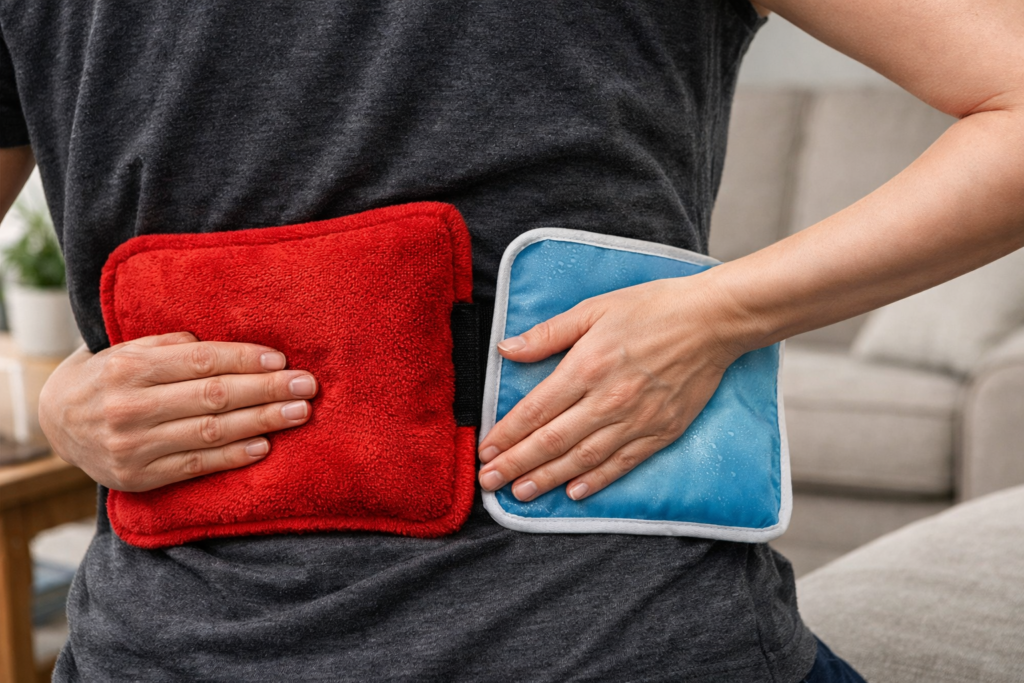
Cold therapy, often called cryotherapy, helps reduce swelling and dull pain signals. When ice is applied to an injured area, blood vessels constrict, which limits inflammation.
This makes cold therapy especially helpful during the early stages of an injury.
Typical benefits of cold therapy include:
• Reducing inflammation
• Numbing pain signals
• Limiting swelling in injured tissue
How to Use Ice Safely
To safely apply cold therapy:
• Wrap an ice pack in a towel or cloth
• Apply for 15–20 minutes at a time
• Wait 30 minutes before reapplying
Ice therapy is usually most effective within the first 48–72 hours after an injury.
When Ice Is the Best Choice for Lower Back Pain
Cold therapy works best when pain appears suddenly or after physical strain.
Common situations where ice may help include:
• Muscle strains from lifting
• Sudden back injuries
• Swelling or inflammation
• Sharp pain following activity
Signs you may be dealing with an acute injury include:
• Sudden sharp pain
• Muscle spasms
• Limited movement
• Pain after a specific event
In these cases, cold therapy can help calm inflammation and prevent swelling from worsening.
When Heat Therapy Works Better
Heat therapy is often the better option for chronic pain, stiffness, and muscle tension.
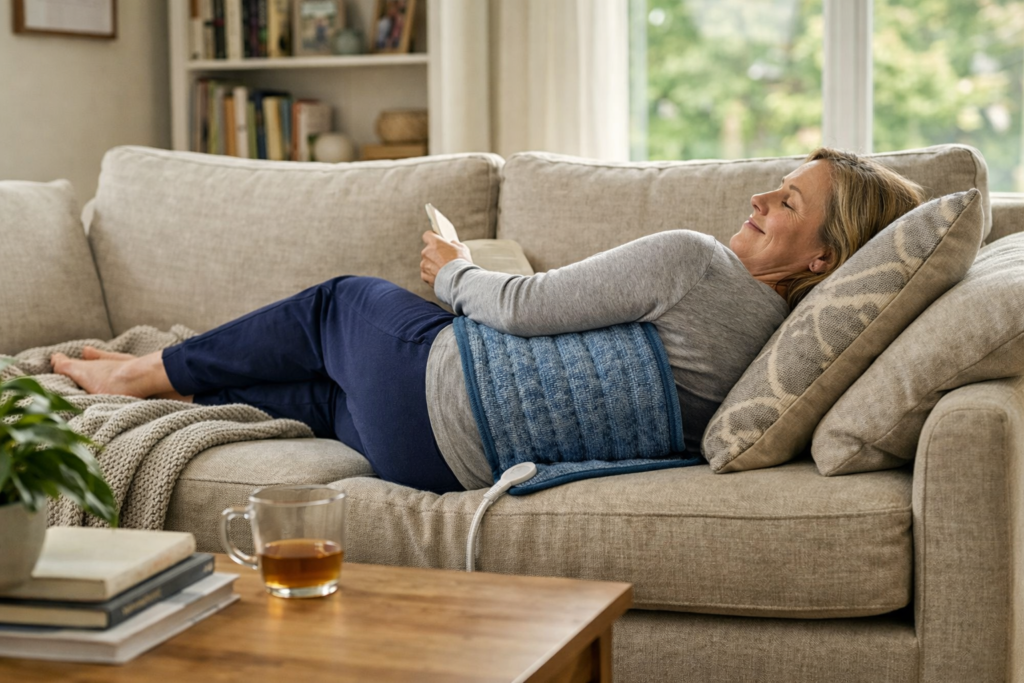
Instead of reducing inflammation, heat increases circulation and loosens tight muscles. This can improve flexibility and help the body heal over time.
Benefits of Heat Therapy
Heat therapy can:
• Relax tight muscles
• Improve blood flow
• Reduce stiffness
• Support muscle recovery
This is why many people find heat especially helpful for long-term back pain caused by muscle tension or posture issues.
If you sit for long hours at a desk, improving your workspace ergonomics can also reduce strain.
Many people also want to understand how long it is safe to use heat therapy, which is why it helps to learn how long should you leave a heating pad on your back for safe and effective relief.
Morning Stiffness and Tension-Related Back Pain
Many people wake up with tight muscles or stiffness in their lower back. This type of discomfort is often caused by muscle tension rather than injury.
Heat therapy can help loosen muscles and improve mobility before starting the day.

Applying heat in the morning for 15–20 minutes can make it easier to move and reduce stiffness throughout the day.
If you regularly wake up with back discomfort, learning better sleep posture may help.
Poor sleep posture can sometimes contribute to morning back pain, which is why many people explore ways to improve spinal alignment while sleeping.
If your back feels tight or sore when you wake up, it may help to understand the common reasons behind morning lower back pain causes and fixes and how simple routine changes can reduce discomfort.
Heat or Ice for Lower Back Pain: Which Works Faster?
Doctors often say the speed of relief depends on the type of pain you are experiencing.
For sudden injuries
Ice usually works faster because it quickly reduces swelling and numbs pain.
For ongoing muscle tension
Heat often provides faster comfort by loosening tight muscles and improving circulation.
The Contrast Method: Using Both Heat and Ice
Some healthcare professionals recommend alternating heat and ice when pain includes both inflammation and muscle tension.
This method can help reduce swelling while also relaxing tight muscles.
A common approach is:
• Apply ice for 15–20 minutes
• Rest for 30 minutes
• Apply heat for 15–20 minutes
This contrast method may improve circulation and speed up recovery.
How to Apply Heat and Ice Safely
Proper use is important to avoid burns or skin irritation.
Ice Therapy Safety Tips
• Always wrap ice in a towel
• Never apply ice directly to skin
• Limit use to 15–20 minutes
Heat Therapy Safety Tips
• Use low or medium heat settings
• Limit use to 15–20 minutes
• Avoid sleeping with a heating pad
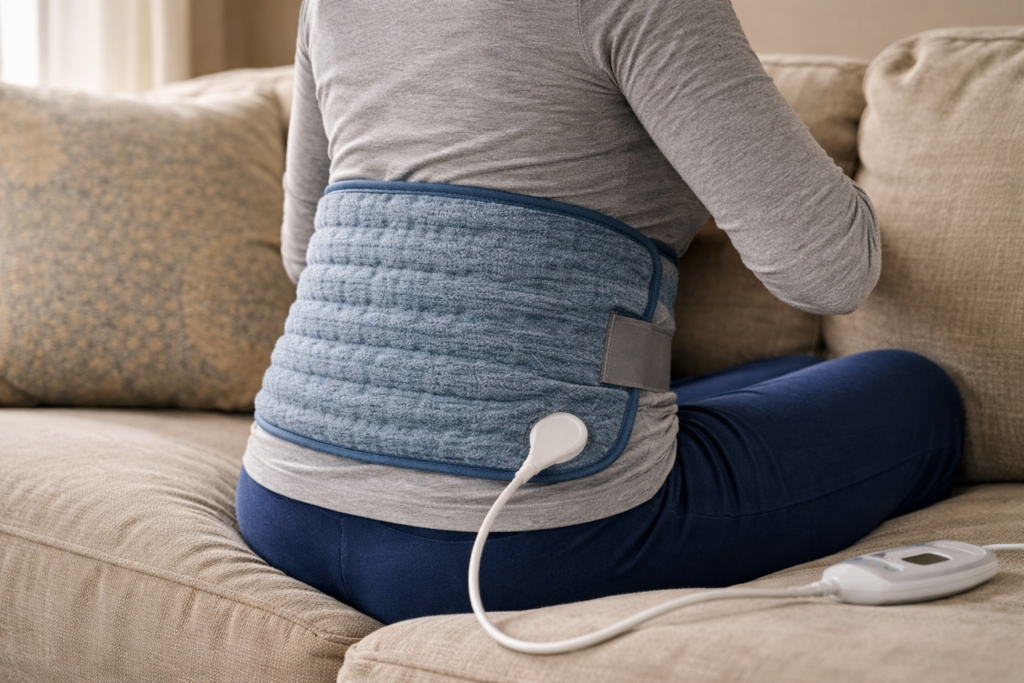
If you regularly use heat therapy, it’s important to use it safely.
Sentence example:
Many people also want to understand how long it is safe to use a heating pad without increasing risk.
If you plan to use heat therapy regularly, it’s important to understand how long should you leave a heating pad on your back to avoid skin irritation or burns while still getting effective pain relief.
Daily Habits That Help Prevent Lower Back Pain
Treatments like heat and ice can help relieve symptoms, but long-term relief often comes from improving daily habits.
Small lifestyle adjustments can reduce stress on the spine and prevent future pain episodes.
Improve Your Posture
Good posture reduces pressure on the lower back. Try to:
• Keep shoulders relaxed and aligned
• Avoid slouching when sitting
• Use ergonomic chairs or lumbar support
Adjust Your Sleep Position
Sleep posture can influence back pain.
Helpful tips include:
• Sleeping on your side with a pillow between your knees
• Placing a pillow under your knees when sleeping on your back
• Avoiding stomach sleeping when possible
Stay Active and Hydrated
Gentle movement supports spinal health and helps muscles recover.
Helpful habits include:
• Light stretching
• Short daily walks
• Drinking enough water throughout the day
These simple habits support healthy muscles, discs, and joints.
Conclusion
Both heat and ice can help relieve lower back pain, but the best choice depends on the situation.
Ice is usually more effective for new injuries and inflammation, while heat works better for chronic muscle tension and stiffness.
Understanding when to use each therapy can help you recover faster and avoid unnecessary discomfort.
If your pain is severe, persistent, or continues to worsen, it’s important to speak with a healthcare professional to determine the underlying cause.
Disclaimer
This article is for informational and educational purposes only and is not intended as medical advice. Always consult a qualified healthcare professional before starting any new treatment, therapy, or exercise program, especially if you have an existing medical condition or persistent pain.