Learn how to use a heating pad safely for back pain. Discover the best temperature, how long to use heat therapy, common mistakes to avoid, and when heat may not be the right choice.
This post may contain affiliate links. If you purchase through these links, we may earn a small commission at no additional cost to you.
A heating pad is one of the simplest and most effective home remedies for relieving muscle-related lower back pain. The gentle warmth helps increase circulation, relax tight muscles, and reduce stiffness that often develops after sitting, standing, or sleeping in one position for too long.
However, using a heating pad incorrectly can do more harm than good. Applying too much heat, leaving it on for too long, or using it at the wrong time may increase discomfort or even cause skin burns.
Fortunately, using heat therapy safely is easy once you understand a few basic guidelines.
In this guide, you’ll learn how to use a heating pad safely, when heat works best, common mistakes to avoid, and how to make heat therapy part of a healthy back care routine.
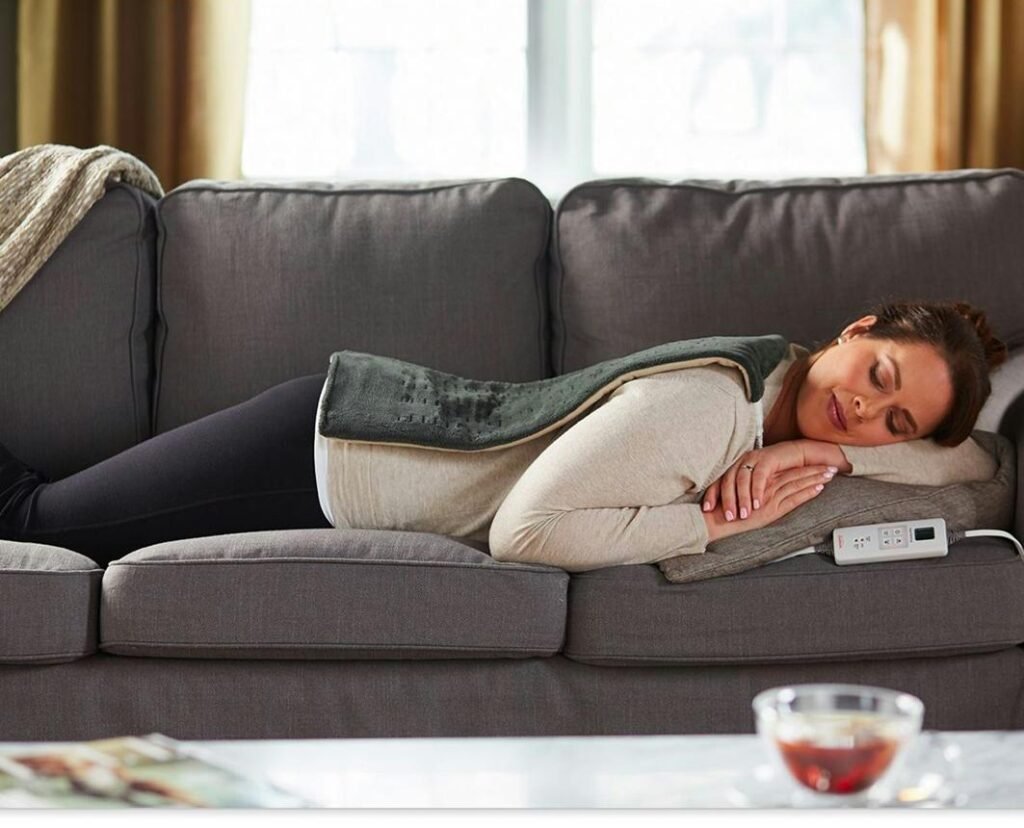
Why Heat Helps Relieve Back Pain
Heat therapy works by gently warming muscles and soft tissues beneath the skin.
As blood vessels expand, circulation increases, allowing oxygen and nutrients to reach the affected area more efficiently. This may help reduce muscle tension and improve flexibility.
Many people find that heat therapy helps:
- Relax tight muscles
- Improve flexibility before stretching
- Ease stiffness after sitting
- Reduce muscle spasms
- Increase comfort before bedtime
- Improve overall mobility
Heat is generally most helpful for muscle-related discomfort rather than sudden injuries involving swelling.
If you’re wondering whether heat or ice is the better choice, read our complete guide:
Should You Use Heat or Ice for Lower Back Pain?
When Is Heat Therapy Most Effective?
Heat works best when your pain is caused by muscle tightness rather than inflammation.
Many people benefit from using a heating pad when they experience:
- Morning back stiffness
- Muscle tightness after exercise
- Chronic lower back discomfort
- Sitting-related soreness
- Mild muscle spasms
- Tension from poor posture
If your back pain began suddenly after lifting something heavy or following an accident, ice may be the better choice during the first day or two.
How to Use a Heating Pad Safely
Following a few simple precautions can help you enjoy the benefits of heat therapy while reducing the risk of burns or skin irritation.
1. Start With a Low or Medium Temperature
Many heating pads have several heat settings.
Begin with the lowest comfortable setting and increase the temperature only if necessary.
Very high temperatures rarely provide additional relief and may increase your risk of burns.
2. Limit Sessions to 15–30 Minutes
Most experts recommend using a heating pad for approximately 15 to 30 minutes at a time.
Longer sessions usually don’t improve results and may increase skin irritation.
If additional relief is needed, allow your skin to cool before using the heating pad again later.
3. Never Sleep With a Heating Pad Turned On
Although the warmth may feel relaxing, sleeping with an active heating pad is not recommended.
Falling asleep may prevent you from noticing excessive heat, increasing the risk of burns.
If nighttime warmth helps you relax, choose a heating pad with an automatic shut-off feature and use it before getting into bed rather than while sleeping.
For more information, read:
Can You Use a Heating Pad Too Much? Safe Limits for Back Pain Relief
4. Keep a Protective Layer Between Your Skin and the Pad
Never place a heating pad directly against bare skin.
Instead, wear lightweight clothing or place a thin towel between the pad and your body.
This simple barrier helps distribute heat more evenly while reducing the risk of irritation.
5. Check Your Skin During Each Session
Every few minutes, inspect the area being treated.
Stop using the heating pad immediately if you notice:
- Excessive redness
- Blistering
- Burning sensations
- Skin discoloration
- Increasing discomfort
These may be signs that the temperature is too high or the treatment has lasted too long.
When Should You Avoid Heat?
Heat isn’t always the right solution.
Avoid using a heating pad if:
- Your injury is new and swollen
- The area feels hot or inflamed
- You have an open wound
- You have severe numbness or reduced sensation
- Your healthcare provider has advised against heat therapy
During the first 24 to 48 hours after many acute injuries, cold therapy is often the better option.
Best Times to Use a Heating Pad
Many people receive the greatest benefit when heat becomes part of a daily routine.
Good times to use heat include:
- Before stretching
- Before gentle exercise
- After sitting for several hours
- While relaxing in the evening
- Before bedtime (not during sleep)
Using heat before movement often helps muscles loosen more comfortably.
Common Heating Pad Mistakes
Many people unknowingly reduce the effectiveness of heat therapy.
Avoid these common mistakes:
- Using the highest heat setting
- Leaving the pad on for an hour or longer
- Sleeping with the heating pad turned on
- Applying heat directly to bare skin
- Using heat immediately after an injury
- Ignoring worsening pain
Small changes in how you use heat can make a significant difference.
Other Ways to Relieve Lower Back Pain
A heating pad works best when combined with healthy daily habits.
Consider pairing heat therapy with:
- Gentle walking
- Daily stretching
- Better sitting posture
- Regular movement breaks
- Supportive sleep positions
- Strengthening your core muscles
If your discomfort develops after sitting for long periods, you may also find this article helpful:
How to Fix Lower Back Pain After Sitting
If your back feels especially stiff when you wake up, read:
Why Lower Back Pain Is Worse in the Morning (And How to Fix It)
Choosing a Quality Heating Pad
When shopping for a heating pad, look for features such as:
- Adjustable heat settings
- Automatic shut-off
- Soft, washable cover
- Large treatment area
- Moist heat compatibility
- Flexible design for the lower back
These features can improve both comfort and safety during daily use.
Products That May Help
Many people use home therapy products alongside stretching and exercise.
Popular options include:
- Electric heating pads
- Microwave heat wraps
- Moist heat packs
- Lumbar support cushions
- Ergonomic seat cushions
Ready to improve your daily comfort?
Check today’s prices on Amazon for highly rated heating pads and back support products that may help reduce everyday muscle tension.
Frequently Asked Questions
Is it safe to use a heating pad every day?
For many people, occasional daily use is safe when sessions are limited to about 15 to 30 minutes and the heating pad is used according to the manufacturer’s instructions.
Can a heating pad burn your skin?
Yes. Using temperatures that are too high or leaving a heating pad on too long may cause burns or skin irritation.
Should I use heat before or after stretching?
Many people find that warming muscles before stretching improves flexibility and makes movement feel more comfortable.
Is heat better than ice for chronic back pain?
Heat is often more effective for chronic muscle stiffness, while ice is generally recommended for recent injuries with inflammation.
Can I sleep with a heating pad?
No. It is generally recommended to turn off your heating pad before falling asleep unless the manufacturer specifically states that overnight use is safe.
What temperature should I use?
Start with the lowest comfortable setting and increase only if necessary. Extremely high temperatures are rarely needed for effective relief.
Final Thoughts
A heating pad can be an excellent tool for easing muscle-related lower back pain when used correctly.
Keeping sessions short, using moderate temperatures, protecting your skin, and avoiding overnight use can help you enjoy the benefits of heat therapy while minimizing potential risks.
Combined with regular movement, stretching, good posture, and healthy sleep habits, heat therapy can become an important part of your long-term back care routine.
Related Articles
Should You Use Heat or Ice for Lower Back Pain?
Can You Use a Heating Pad Too Much? Safe Limits for Back Pain Relief
How to Fix Lower Back Pain After Sitting
Why Lower Back Pain Is Worse in the Morning
FTC Affiliate Disclosure
As an Amazon Associate, PathwayToRelief.com may earn a commission from qualifying purchases made through links on this page. This comes at no additional cost to you and helps support our mission of providing free educational wellness content.
Medical Disclaimer
PathwayToRelief.com provides educational wellness information only and does not provide medical advice, diagnosis, or treatment. Always consult a qualified healthcare professional before beginning new treatments, using heat therapy for persistent pain, or making changes to your healthcare routine.