Ever thought that warmth on your back might actually cause problems if used too often? Many people ask how often to use a heating pad for back pain so they can get relief without harming their skin or muscles.
Heat therapy is one of the most common and effective ways to relax tight muscles and improve circulation. When used correctly, a heating pad can reduce stiffness, increase blood flow, and make daily movement much easier.
However, timing and duration matter. Using heat therapy safely helps your body recover while preventing skin irritation or overheating.
If you are experiencing back discomfort from sitting for long periods, you may also want to read why sitting can worsen back pain and how to fix it quickly.
Key Takeaways
- Heat therapy boosts circulation to speed up muscle repair
- Proper timing helps reduce stiffness and muscle tension
- Hydration and posture improve recovery alongside heat therapy
- Limit each session to about 15 to 20 minutes
- Consistent use helps manage chronic discomfort safely
- Always check your skin regularly to avoid burns
Understanding How Heat Therapy Works for Back Pain Relief
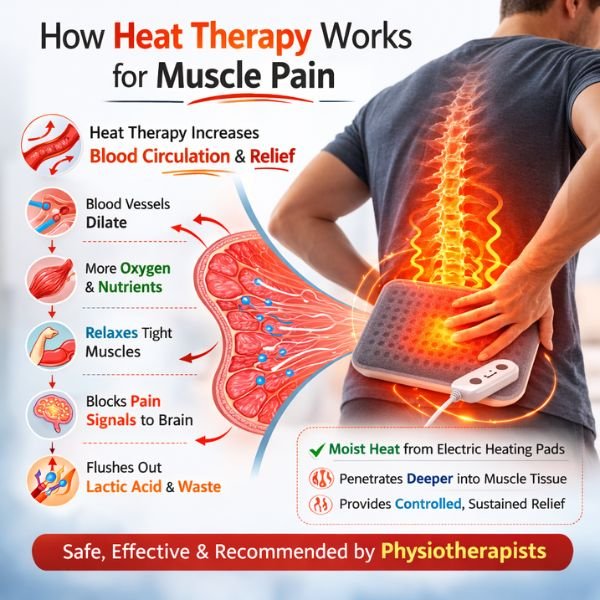
Heat therapy has been used for decades to help relieve muscle tension and stiffness. The warmth from a heating pad increases blood flow to the affected area.
This process helps bring oxygen and nutrients to injured tissue, which supports the body’s natural healing process.
Heat therapy also relaxes muscle fibers. When muscles warm up, they become more flexible and less tense, which reduces pressure on surrounding nerves.
Types of Back Pain That Respond Best to Heat
Heat therapy works best for chronic or muscle-related back pain rather than sudden injuries.
Common conditions that respond well to heat therapy include:
- Muscle strain
- Muscle tightness
- Myofascial pain syndrome
- Arthritis-related stiffness
- Fibromyalgia discomfort
Heat helps loosen stiff muscles and encourages relaxation, which can make everyday movements more comfortable.
How Often Should You Use a Heating Pad for Back Pain?
The ideal frequency depends on whether the pain is acute or chronic.
Recommended Frequency for Acute Back Pain
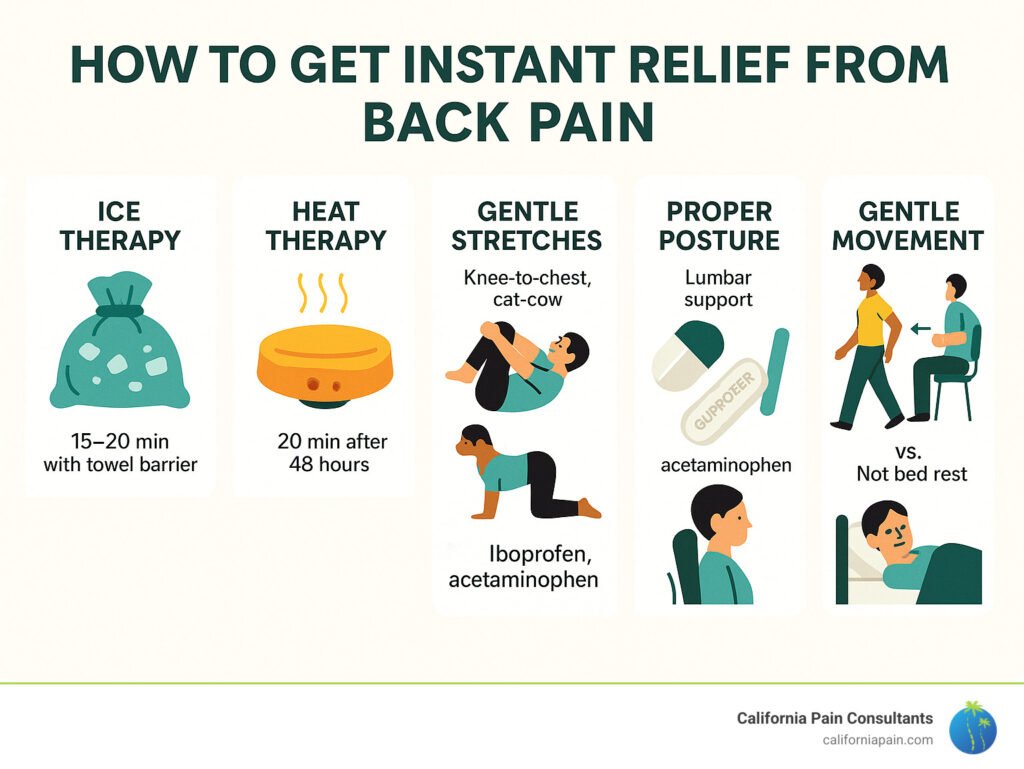
If your back pain started recently from an injury or strain, avoid heat during the first 24–48 hours.
During that time, cold therapy helps reduce inflammation.
After swelling decreases, you can begin heat therapy.
Recommended use:
- 2 to 3 sessions per day
- 15 to 20 minutes per session
Recommended Frequency for Chronic Back Pain
People with ongoing stiffness or long-term back pain can typically use heat more frequently.
Safe usage guidelines:
- Up to 3–4 sessions per day
- 15–20 minutes per session
- Allow the skin to cool between sessions
Spacing Out Sessions Throughout the Day
Spreading heat therapy sessions throughout the day helps maintain relief.
Suggested schedule:
Morning session
Helps loosen stiff muscles and improve mobility.
Afternoon or post-work session
Relaxes muscles after sitting or physical activity.
Evening session
Promotes relaxation and better sleep.
If mornings are especially uncomfortable, you may also benefit from learning why lower back pain is worse in the morning and how to fix it.
Safe Duration Guidelines for Each Heating Pad Session
The 15–20 Minute Rule
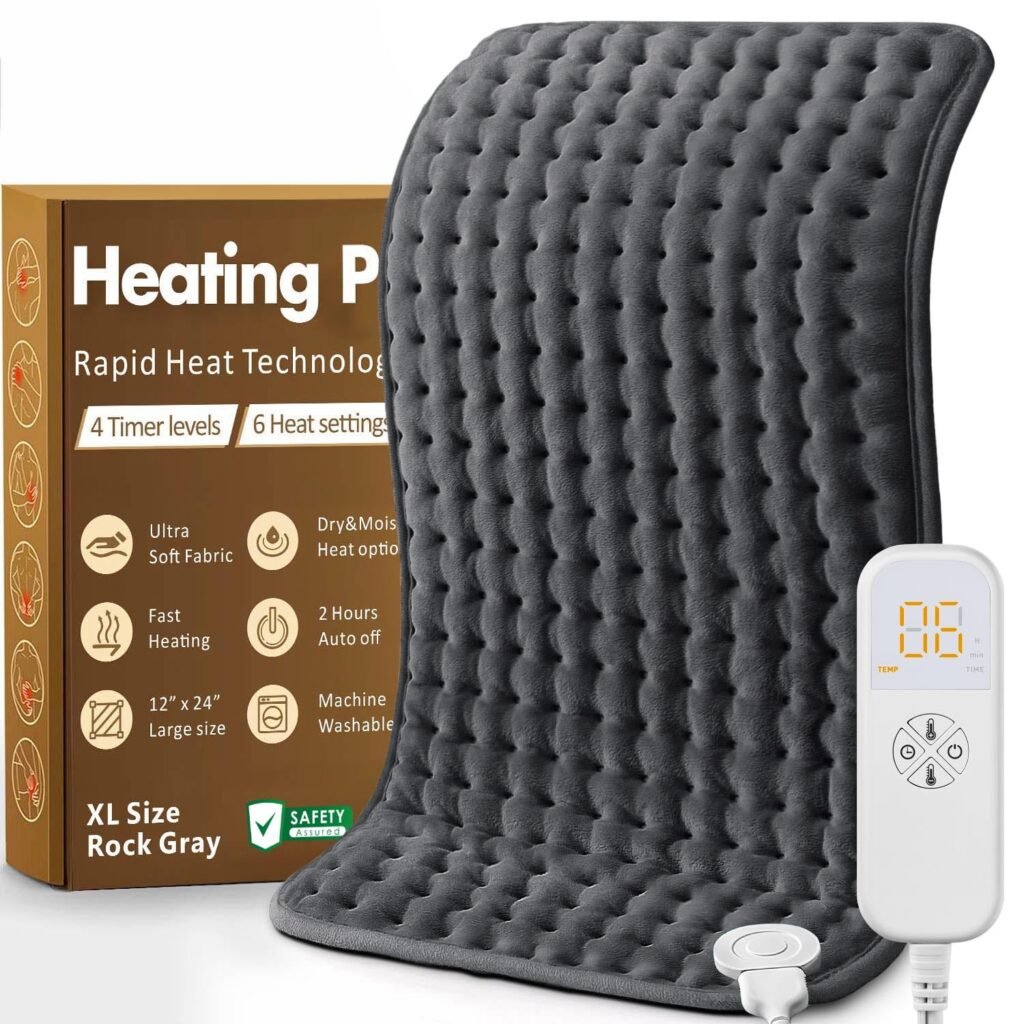
Most health experts recommend limiting heating pad sessions to 15–20 minutes.
This allows heat to penetrate muscles without overheating the skin.
Benefits of this rule include:
- Effective muscle relaxation
- Lower risk of burns
- Safe repeated sessions throughout the day
Risks of Extended Heat Application
Leaving heat on the body for too long can cause problems.
Possible risks include:
Burns
Too much heat can cause mild skin burns.
Skin irritation
Prolonged heat exposure may cause redness or itching.
Skin dryness
Extended heat can remove moisture from the skin.
Following safe usage guidelines helps maximize relief while avoiding these issues.
Best Times of Day to Use Your Heating Pad
Morning Relief for Stiffness
Using heat in the morning helps loosen stiff muscles and improve movement.
Many people wake up with back stiffness due to overnight muscle tension.
Heat therapy increases circulation and prepares your muscles for daily movement.
Evening Use for Relaxation
Using a heating pad in the evening can reduce pain and help the body relax before bed.
Relaxed muscles often lead to better sleep quality.
Pre-Activity and Post-Activity Recovery
Heat therapy can also help before or after physical activity.
Before activity
Heat helps warm muscles and increase flexibility.
After activity
Heat relaxes tight muscles and supports recovery.
If your back pain is related to desk work or long sitting periods, you may also want to learn how to sit without lower back pain.
Safety Precautions and What to Avoid
To use a heating pad safely:
- Start with low heat settings
- Place a cloth barrier between skin and pad
- Never sleep with a heating pad on
- Limit sessions to 15–20 minutes
People with diabetes, nerve damage, or circulation problems should speak with a healthcare provider before using heat therapy.
Maximizing Results With Healthy Back Habits
For the best results, combine heating pad therapy with healthy daily habits.
Gentle Stretching
Stretching after heat therapy helps improve flexibility and reduces muscle tightness.
Light activities such as yoga or walking can support recovery.
Hydration and Posture
Drinking enough water keeps spinal discs healthy.
Maintaining proper posture reduces strain on the spine and back muscles.
Build a Consistent Routine
The most effective back pain relief routines include:
- Regular heat therapy
- Daily stretching
- Proper posture
- Staying hydrated
Consistency often leads to better long-term results.
Conclusion
Heating pads can be a simple and effective way to relieve back pain when used correctly.
Most experts recommend using heat therapy two to four times per day for about 15 to 20 minutes per session.
Combining heat therapy with stretching, hydration, and proper posture can significantly improve back comfort and overall mobility.
Using heat safely helps you enjoy its benefits while protecting your skin and muscles.
Medical Disclaimer
The information in this article is for educational purposes only and is not intended as medical advice. Always consult a qualified healthcare professional before starting any treatment for back pain or medical condition.