Many people spend long hours sitting at a desk, working on computers, or looking at their phones. Over time, this can lead to lower back pain that gets worse the longer you sit.
The good news is that the cause is often simple — and the fixes are usually simple too.
By understanding why sitting stresses your spine, and making a few small adjustments, you can significantly reduce pain and protect your back long-term.
If you often feel stiff after sitting, these strategies can help restore comfort and mobility.
Why Lower Back Pain Gets Worse After Sitting
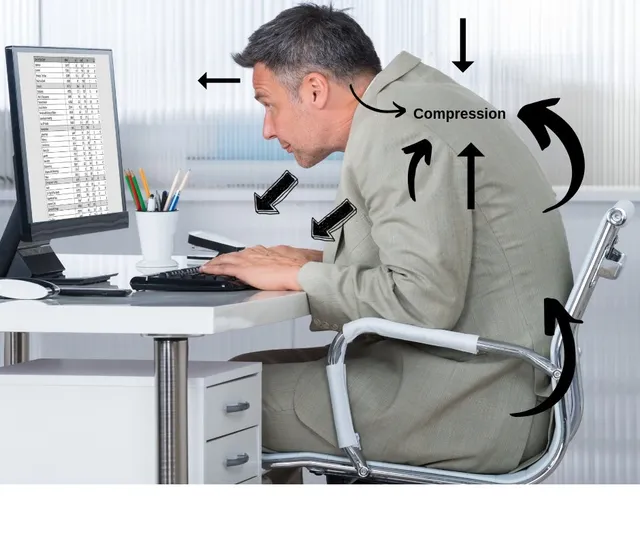
Sitting for long periods places extra pressure on your spine and surrounding muscles.
Unlike standing or walking, sitting causes your hip flexors to tighten and your core muscles to become inactive, which forces your lower back to carry more stress.
When this happens repeatedly throughout the day, stiffness and discomfort begin to develop.
Common causes include:
• Poor sitting posture
• Lack of lumbar support
• Sitting too long without movement
• Weak core muscles
If you frequently sit for work, learning how to sit properly can make a huge difference.
You may also benefit from reading our guide on how to sit without lower back pain using simple desk adjustments.
Internal Link
Insert this sentence:
If sitting for long periods is part of your daily routine, learning how to sit properly at your desk can significantly reduce strain on your spine.
Muscle Stiffness From Prolonged Sitting
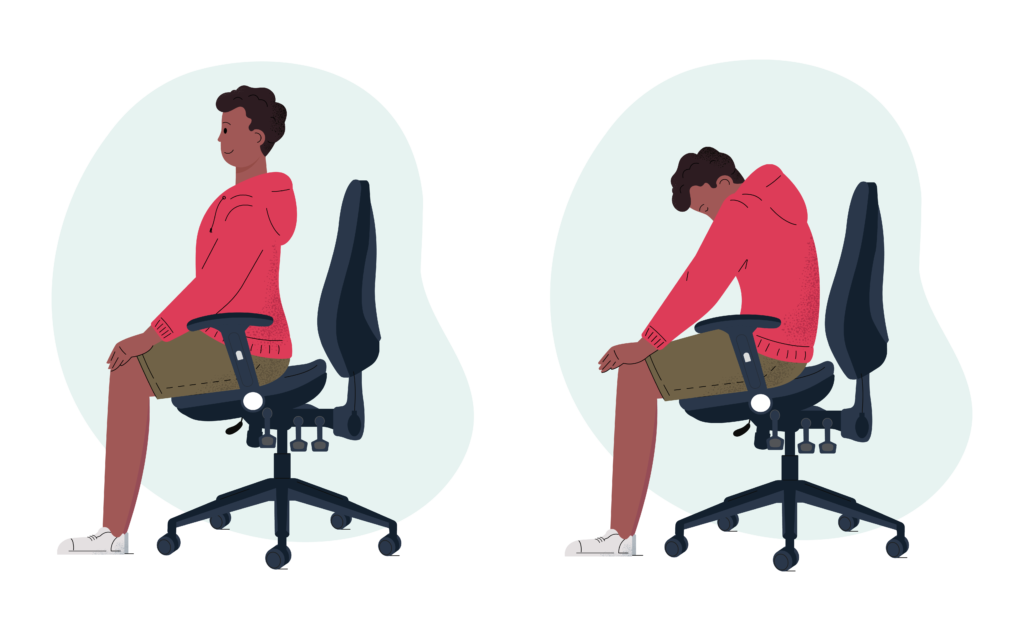
When you sit for extended periods, your muscles stop moving and begin to tighten.
The muscles most affected include:
• Hip flexors
• Lower back muscles
• Glutes
• Hamstrings
Over time, this tightness pulls on your spine and creates pressure in the lower back.
One of the most effective ways to prevent this stiffness is to stand up and move regularly throughout the day.
Common Posture Mistakes That Make Back Pain Worse
Many people unknowingly sit in ways that increase spinal pressure.
Slouching
Slouching rounds the spine and places stress on the discs in your lower back.
Forward Head Posture
Leaning your head forward while working at a screen increases strain on both the neck and lower back.
Crossing Your Legs
Crossing your legs can cause uneven weight distribution and pelvic imbalance.
Instead, try to:
• Keep your feet flat on the floor
• Sit with your shoulders relaxed
• Maintain a neutral spine position
Improving posture is one of the fastest ways to relieve sitting-related back pain.
Simple Desk Adjustments That Help Immediately
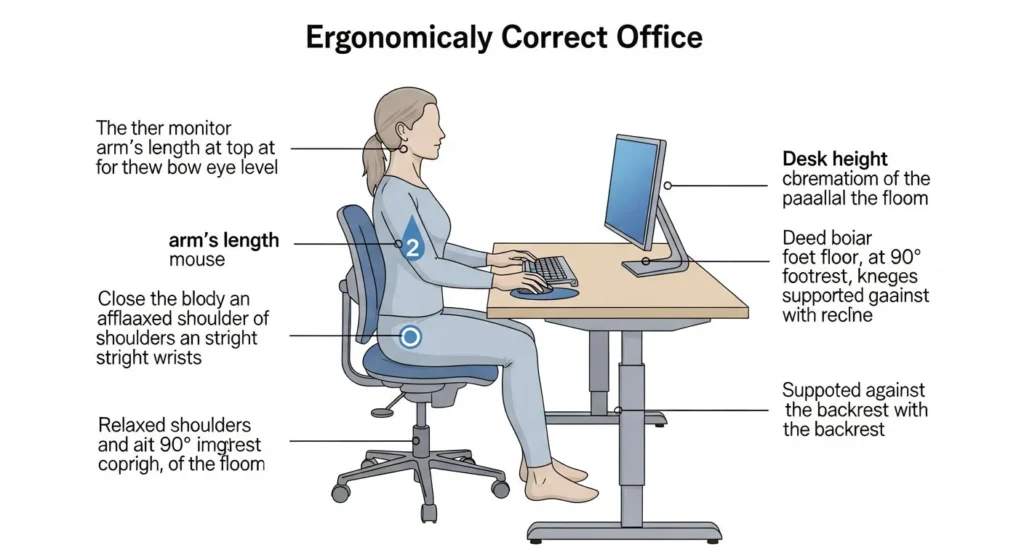
A few ergonomic adjustments can instantly reduce stress on your lower back.
Adjust Chair Height
Your knees should sit slightly below your hips while your feet remain flat on the floor.
Use Lumbar Support
A chair with lumbar support helps maintain the natural curve of your spine.
Position Your Monitor Properly
Your monitor should sit at eye level and about 20–25 inches away from your face.
If your workspace causes discomfort, you may also want to review our guide on best sleeping positions for lower back pain, since nighttime posture plays a big role in spinal recovery.
Improving your sleep posture can also reduce daily pain, which is why many people benefit from learning the best sleeping positions for lower back pain.
The 20-Minute Movement Rule
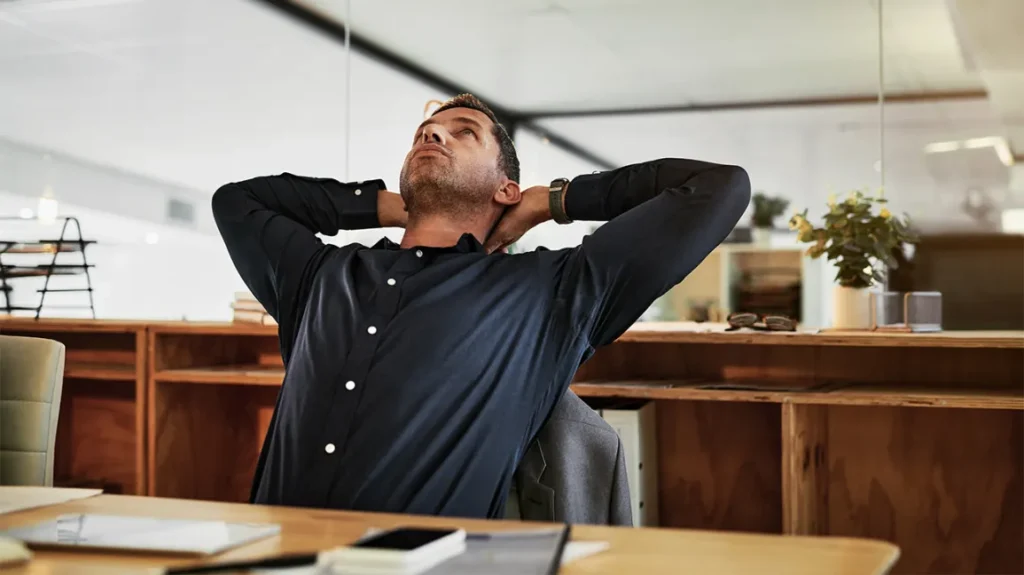
One of the easiest ways to prevent pain is the 20-minute movement rule.
Every 20–30 minutes:
• Stand up
• Stretch your back
• Walk for 1–2 minutes
This restores blood circulation and prevents muscles from tightening.
Short walking breaks are extremely effective for reducing stiffness caused by prolonged sitting.
Daily Habits That Protect Your Lower Back
Small daily habits can dramatically reduce sitting-related pain.
Stay Hydrated
Your spinal discs depend on water to maintain cushioning between vertebrae.
Strengthen Your Core
Strong core muscles support the spine and improve posture.
Improve Sleep Support
A supportive mattress and proper sleeping posture help the spine recover overnight.
If you often wake up stiff, it may also help to learn why lower back pain is worse in the morning.
Internal Link
Insert sentence:
Many people also notice stiffness after waking up, which is explained in our guide on why lower back pain is worse in the morning.
Conclusion
Lower back pain from sitting is extremely common, especially for people who work at desks or spend long hours in front of screens.
Fortunately, the solution often comes down to simple daily habits.
Improving posture, adjusting your workspace, staying active, and taking regular movement breaks can significantly reduce strain on your spine.
Small changes done consistently can help you maintain a healthier back and prevent pain from interfering with your daily life.
Disclaimer: This article is for informational purposes only and does not constitute medical advice. Always consult a qualified healthcare professional before beginning any exercise, posture correction, or pain relief routine, especially if you experience chronic or severe back pain.