Wondering whether overnight heat is actually dangerous? While heating pads may feel soothing before bed, sleeping with one all night can create risks that many people don’t realize until problems appear. If you’re looking for a complete guide on heating pad safety, read our full article here: Is It Safe to Sleep With a Heating Pad on Your Back?
Have you ever fallen asleep with a heating pad on your back because it felt so good? You’re not alone. That soothing warmth can relax tight muscles and make it easier to unwind at night.
But here’s the truth — sleeping with a heating pad all night is not safe, even on low settings.
Let’s break down why.
🔥What Happens to Your Body When You Sleep With Heat All Night?
Heating pads are great for short-term relief, but they’re not designed to be used for hours while you sleep.
The Dangers of Prolonged Heat Exposure
Leaving heat on your body too long can cause:
- Skin irritation
- Dehydration of the skin
- Low-temperature burns
- Increased sensitivity
These issues happen because your body is exposed to constant heat without a break.
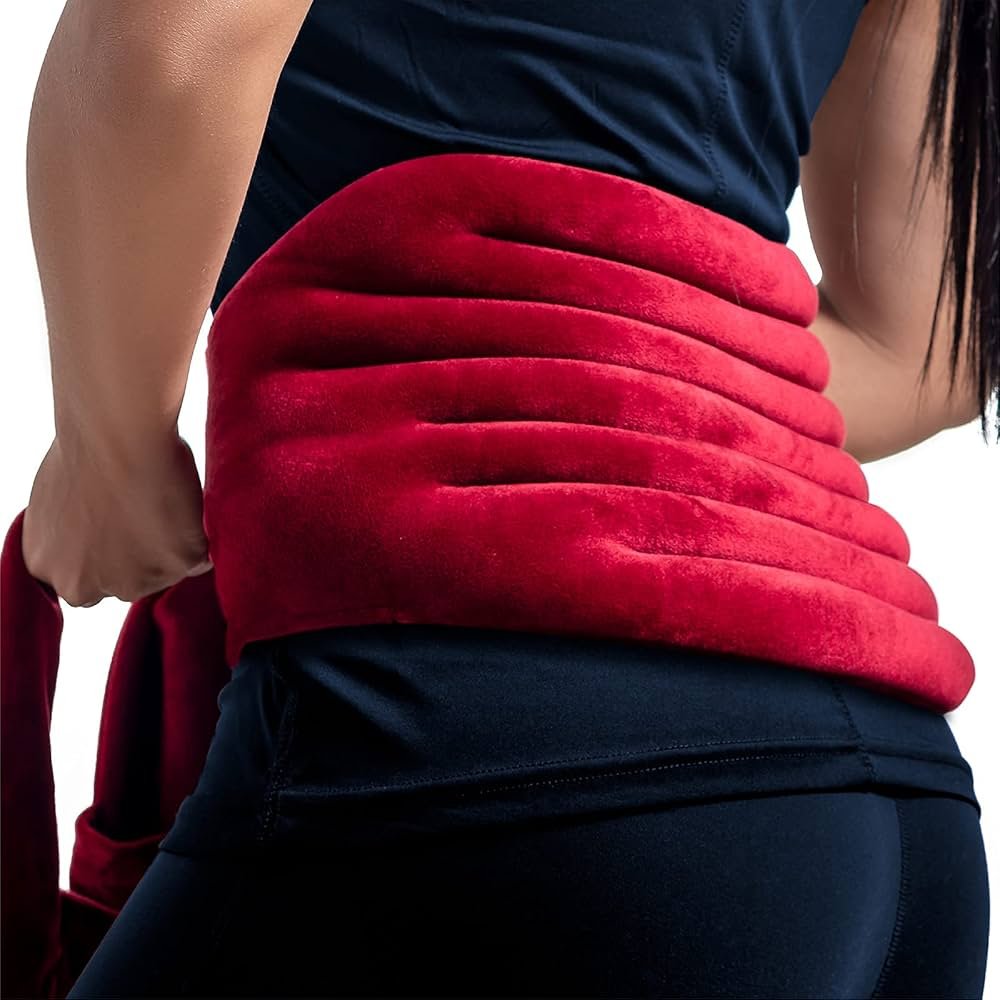
close up of heating pad on lower back showing heat exposure risk
⚠️ Can You Sleep With a Heating Pad on Your Back All Night?
The short answer is no.
Even if it feels comfortable, extended use can lead to hidden damage.
The Reality of Low-Temperature Burns
Low-temperature burns are one of the biggest risks. They happen slowly over time and may not hurt right away.
This makes them more dangerous because you won’t notice them while sleeping.
⚡ Fire Hazards and Electrical Risks
There are also safety concerns with the device itself:
- Faulty wiring
- Overheating
- Fire risk if left unattended
Most heating pads are made for 15–20 minute sessions, not overnight use.
✅What If You Accidentally Fall Asleep With a Heating Pad?
If you accidentally fall asleep with a heating pad on, don’t panic. One night may not automatically cause harm, but it’s still important to check your skin for redness, irritation, or unusual sensitivity. Going forward, consider using a heating pad with an automatic shutoff timer and avoid placing it directly against bare skin.
You don’t have to stop using heat — you just need to use it smarter.
The 20-Minute Rule
- Use for 15–20 minutes
- Take breaks between sessions
- Avoid falling asleep with it on
Use Heat Before Bed (Not During Sleep)
A much safer option is to use your heating pad before going to sleep, then remove it.
👉 If your pain is worse when you wake up, you can follow this guide on morning lower back pain causes and fixes
Why Back Pain Sometimes Feels Worse at Night
Many people notice their lower back pain feels worse when trying to sleep.
This can happen for several reasons:
- Muscle stiffness after sitting all day
- Poor sleeping posture
- Mattress support problems
- Reduced movement while lying down
If your back pain feels worse in the morning, your sleep position or mattress could be contributing to the problem.
You may also benefit from learning why lower back pain feels worse in the morning and what simple fixes may help improve stiffness after waking up.
When back discomfort becomes more noticeable at bedtime, using safe heat therapy for a short session before sleep may help relax tight muscles without the risks of overnight exposure.
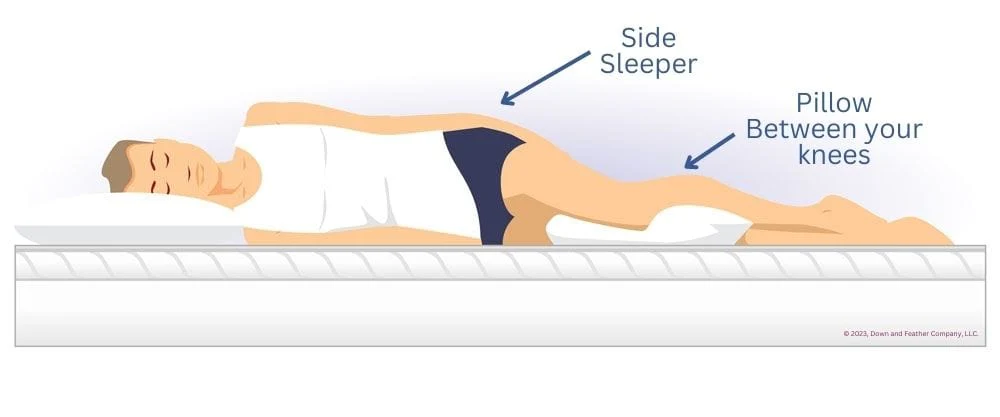
person sleeping on side with pillow between knees proper back support
🌙 Better Alternatives for Overnight Comfort
Instead of using heat all night, try these safer options.
Best Sleep Positions for Lower Back Pain
Your sleeping position can make a major difference in how your back feels overnight.
Sleeping on Your Back
Sleeping on your back with a pillow under your knees helps reduce pressure on the lower spine.
This position supports spinal alignment and may reduce tension in the lower back.
Sleeping on Your Side
Many people with lower back pain find side sleeping more comfortable.
Place a pillow between your knees to help keep the hips aligned and reduce strain on the lower back.
Positions to Avoid
Some people experience worse discomfort when sleeping on their stomach because it may increase strain on the spine and neck.
Finding the right sleep position can improve comfort without needing overnight heat therapy.
Supportive Sleep Positions
👉 You can improve your comfort by using the best sleeping position for lower back pain here:
Other Safe Options
- Pillow under knees (back sleepers)
- Pillow between knees (side sleepers)
- Gentle stretching before bed
- Warm shower at night
- Relaxation techniques
💡 Long-Term Back Pain Relief Tips
Heat is only one piece of the puzzle.
Daily habits make a huge difference:
- Improve posture
- Avoid long sitting sessions
- Stretch regularly
- Stay active
Frequently Asked Questions
Is it bad to sleep with a heating pad on your back all night?
Yes. Most medical professionals recommend avoiding overnight heating pad use because it can increase the risk of burns, overheating, and skin irritation.
How long should you leave a heating pad on your back?
Most experts recommend using a heating pad for about 15–20 minutes at a time.
Can I use a heating pad before bed?
Yes. Using a heating pad before bed for a short session is usually much safer than sleeping with it overnight.
What helps lower back pain at night besides heat?
Good sleep posture, gentle stretching, supportive pillows, light movement, and improving sitting posture during the day may help reduce nighttime back discomfort.
✅ Conclusion
So, can you sleep with a heating pad on your back all night?
No — it’s not worth the risk.
Instead, use heat therapy for short periods before bed and focus on safer long-term habits.
Small changes like better sleep position and posture can make a big difference in how your back feels every day.
PathwayToRelief.com provides educational wellness information only and does not offer medical advice. Always consult a qualified healthcare professional before making changes to your health routine.