This article may contain affiliate links. If you purchase through these links, we may earn a small commission at no extra cost to you.
Many people use a heating pad to relax tight muscles and ease lower back discomfort before bed. The gentle warmth can feel incredibly soothing after a long day of sitting, standing, or dealing with muscle tension.
But a common question comes up: can you sleep with a heating pad on your back?
While heat therapy can be helpful for pain relief, medical experts generally warn against leaving heating pads on while sleeping. When your body is fully asleep, you may not notice when heat becomes too intense, which can increase the risk of burns or other issues.
This guide explains why heating pads feel helpful, the safety risks of overnight use, and what doctors recommend instead for safer back pain relief.
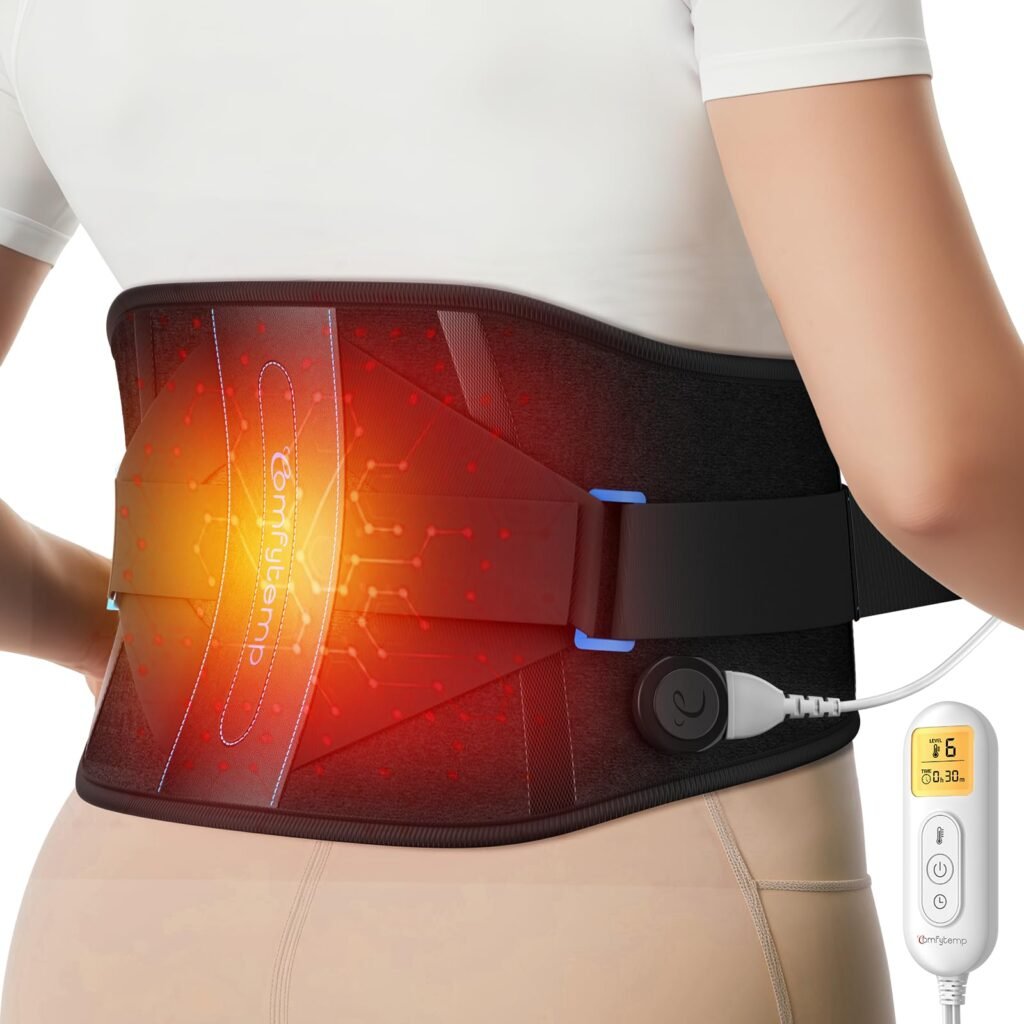
Recommended Heating Pads for Safe Back Pain Relief
If you’re using heat therapy to manage back pain, choosing a reliable and safe heating pad makes a big difference. Features like adjustable heat settings, automatic shut-off timers, and soft, flexible materials can help you stay comfortable while reducing the risk of overheating.
👉 Check out top-rated heating pads for back pain relief here:
Many people prefer heating pads with built-in safety features, especially when using them as part of a short pre-bed routine to relax muscles safely.
Key Takeaways
- Most doctors recommend limiting heating pad sessions to about 15–20 minutes
- Sleeping with an active heating pad increases the risk of burns and skin irritation
- Always place a cloth or towel barrier between the heating pad and skin
- Use low heat settings instead of high temperatures
- Creating a short pre-bed heat therapy routine can help relax muscles safely
Why People Turn to Heating Pads for Back Pain Relief
Back pain affects millions of people and can come from muscle strain, poor posture, stress, or long hours sitting at a desk. Heat therapy is one of the most common at-home treatments because it’s simple and provides quick comfort.
How Heat Therapy Helps Tight Muscles
When heat is applied to sore muscles, it increases blood circulation in the area. Better blood flow helps deliver oxygen and nutrients to muscles while relaxing tight tissues.
Heat therapy may help:
- Relax stiff or tight muscles
- Reduce muscle spasms
- Improve circulation in sore areas
- Promote a feeling of comfort and relaxation
For many people, the warmth can provide short-term relief from daily back tension.
Common Situations That Make People Want Heat All Night
Back pain often gets worse at night when the body finally tries to relax. Because of this, some people feel tempted to leave a heating pad on while sleeping.
Situations that commonly lead to overnight heat use include:
- Chronic lower back pain
- Muscle strain after exercise
- Arthritis or joint stiffness
- Poor posture during the day
- Sleeping positions that strain the spine
Even though overnight warmth may sound comforting, medical experts warn that continuous heat exposure during sleep can create safety risks.
Can You Sleep With a Heating Pad on Your Back?
Most doctors recommend not sleeping with a heating pad turned on.
While heat therapy can help relax muscles before bedtime, using it overnight increases the risk of burns and other complications.
During sleep, your body cannot easily react to excessive heat. If the heating pad becomes too hot or stays in one position for hours, your skin may not sense the damage quickly enough.
Because of this, experts recommend turning off the heating pad before falling asleep.
Safety Risks of Sleeping With a Heating Pad
Heating pads are generally safe when used properly. However, overnight use can create several risks.
Burns and Skin Irritation
Extended heat exposure can damage the skin. Even low heat settings can cause irritation or mild burns when applied for several hours.
People with sensitive skin are especially vulnerable.
Dehydration and Tissue Stress
Heat causes the body to lose moisture. Long exposure may contribute to mild dehydration or inflammation in surrounding tissues.
Fire and Electrical Hazards
Damaged cords, faulty wiring, or older heating pads can create electrical risks if left on for long periods.
Modern heating pads with automatic shut-off timers are safer but still should not be used overnight.
Reduced Pain Awareness During Sleep
When you’re asleep, you may not feel discomfort or overheating. This makes it harder to adjust the heating pad if it becomes too warm.
Because of this, the safest option is to remove the heat source before falling asleep.
What Doctors Recommend for Safe Heating Pad Use
Medical professionals generally agree that heat therapy can help back pain when used responsibly.
Recommended Time Limits
Most experts suggest using a heating pad for 15 to 20 minutes at a time.
Short sessions provide muscle relaxation while reducing the risk of overheating or skin damage.
Choose Lower Heat Settings
High heat levels are rarely necessary for muscle relief.
Low or medium settings typically provide enough warmth without increasing risk.
Always Use a Protective Barrier
Place a thin towel or cloth between the heating pad and your skin. This helps distribute heat evenly and prevents direct skin exposure.
Best Times to Use Heat Therapy
Heating pads are most helpful when used:
- Before bedtime to relax muscles
- After waking up with stiffness
- After long periods of sitting or physical activity
Using heat for a short time before bed can prepare your body for sleep without leaving the device on overnight.
Many people also combine heat therapy with gentle movement like simple daily exercises that relieve lower back pain naturally to reduce stiffness and support long-term spinal health.
Who Should Avoid Heating Pads
Some people should be especially cautious when using heat therapy.
Heating pads may not be recommended for individuals with:
- Diabetes
- Poor circulation
- Nerve damage
- Extremely sensitive skin
If you have a medical condition that affects sensation or circulation, speak with a healthcare professional before using heat therapy.
Safer Ways to Manage Back Pain at Night
If back pain keeps you awake at night, there are safer alternatives to sleeping with a heating pad.
Create a Short Pre-Bed Heat Routine
Use a heating pad for 15–20 minutes before bedtime, then remove it before sleeping. This allows muscles to relax without overnight heat exposure.
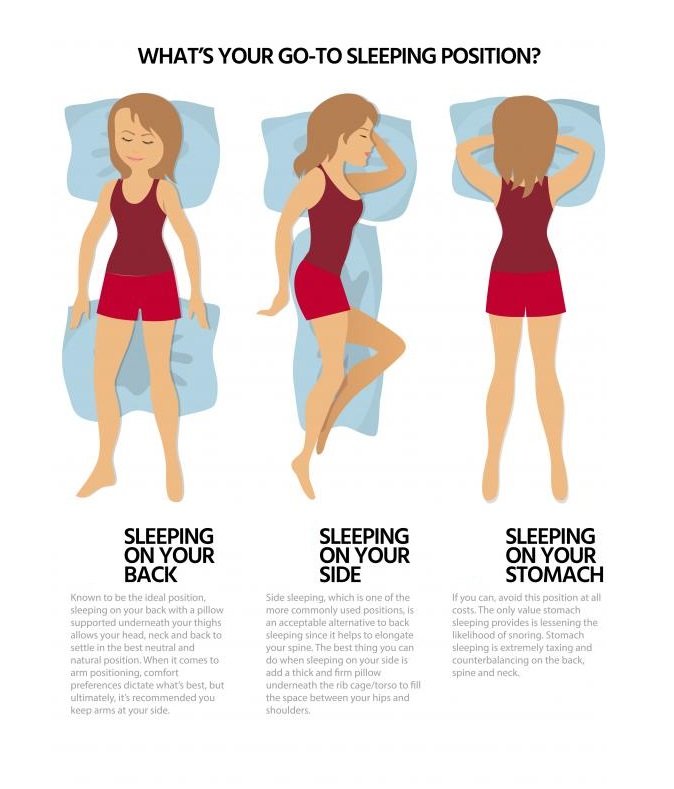
Improve Your Sleeping Position
Your sleep position plays a major role in spinal health.
Helpful adjustments include:
- Sleeping on your side with a pillow between your knees
- Sleeping on your back with a pillow under your knees
- Keeping your spine in a neutral position
Improving your sleep posture can make a big difference, and learning how to sit without lower back pain while working at a desk may also help reduce the strain that builds up during the day.
Use Supportive Pillows and Mattresses
A supportive sleep environment can significantly reduce nighttime back discomfort.
Consider:
- A medium-firm mattress for spinal support
- A pillow that keeps your neck aligned
- Extra pillows for lumbar or knee support
Try Natural Relaxation Techniques
Simple nighttime habits may also help reduce back tension:
- Gentle stretching before bed
- Deep breathing or relaxation exercises
- Warm showers or baths before sleep
These strategies support muscle relaxation without the risks of overnight heat exposure.
Choosing the Right Heating Pad for Better Comfort
Not all heating pads are the same. Some are designed specifically for the lower back and provide more targeted relief, while others offer full coverage for larger muscle groups.
When selecting a heating pad, consider:
- Adjustable heat levels
- Automatic shut-off (important for safety)
- Soft, washable fabric
- Size and coverage for your back area
👉 View recommended heating pads designed for back pain relief
Using a high-quality heating pad for short, controlled sessions can help you relax before bed without the risks of overnight use.
Conclusion
Heating pads can be very helpful for easing muscle tension and temporary back pain. However, sleeping with a heating pad on your back is not recommended by most doctors due to the risk of burns, dehydration, and electrical hazards.
The safest approach is to use heat therapy for short sessions before bedtime, then remove the heating pad before falling asleep.
Combining heat therapy with better sleep posture, supportive pillows, and gentle stretching can help reduce nighttime back pain while protecting your skin and overall health.
Health Disclaimer
This article is for informational purposes only and does not replace professional medical advice. Always consult a qualified healthcare provider regarding persistent pain, injuries, or medical conditions before starting new treatments or therapies.