Is sleeping with a heating pad for lower back pain safe? Learn what doctors recommend, risks to avoid, and safer ways to use heat therapy.
Lower back pain can feel even worse at night. After a long day of sitting, standing, or physical activity, many people turn to a heating pad for relief because the warmth helps relax tight muscles and reduce stiffness.
But what happens when the heating pad feels so good that you want to leave it on all night?
While heat therapy can absolutely help lower back pain, doctors generally warn against sleeping with a heating pad overnight. The biggest concern is safety. When you’re asleep, you may not notice if the heat becomes too intense or if your skin starts reacting to prolonged exposure.
That does not mean heating pads are dangerous when used correctly. In fact, many healthcare professionals recommend heat therapy before bedtime as part of a healthy back pain routine.
In this guide, we’ll explain what doctors say about sleeping with a heating pad, when it may become risky, who should avoid overnight heat, and safer ways to use heat therapy for lower back pain relief.
Key Takeaways
- Heating pads may help relax tight muscles and reduce lower back stiffness.
- Most doctors recommend 15–20 minutes of heat before bed, not overnight use.
- Sleeping with an active heating pad can increase the risk of burns and skin irritation.
- Certain people—including those with diabetes or poor circulation—should be extra cautious.
- Sleep posture, stretching, and proper support can improve nighttime back pain naturally.
Why Heating Pads Feel So Good for Lower Back Pain
There’s a reason so many people swear by heating pads.
Heat therapy works by increasing blood flow to sore or tight muscles. Improved circulation helps deliver oxygen and nutrients to tissues, which may reduce stiffness and help muscles relax.
For people dealing with tension-related lower back pain, muscle tightness, or soreness from sitting too long, heat can provide temporary relief.
Many people find heating pads especially helpful for:
- Tight lower back muscles
- Morning stiffness
- Muscle soreness after activity
- Sitting-related back pain
- Mild muscle spasms
- General lower back tension
If sitting most of the day makes your back ache, you may also find relief by improving posture and chair support. You can learn more in our guide on How to Sit Without Lower Back Pain.
Why Some People Sleep With a Heating Pad
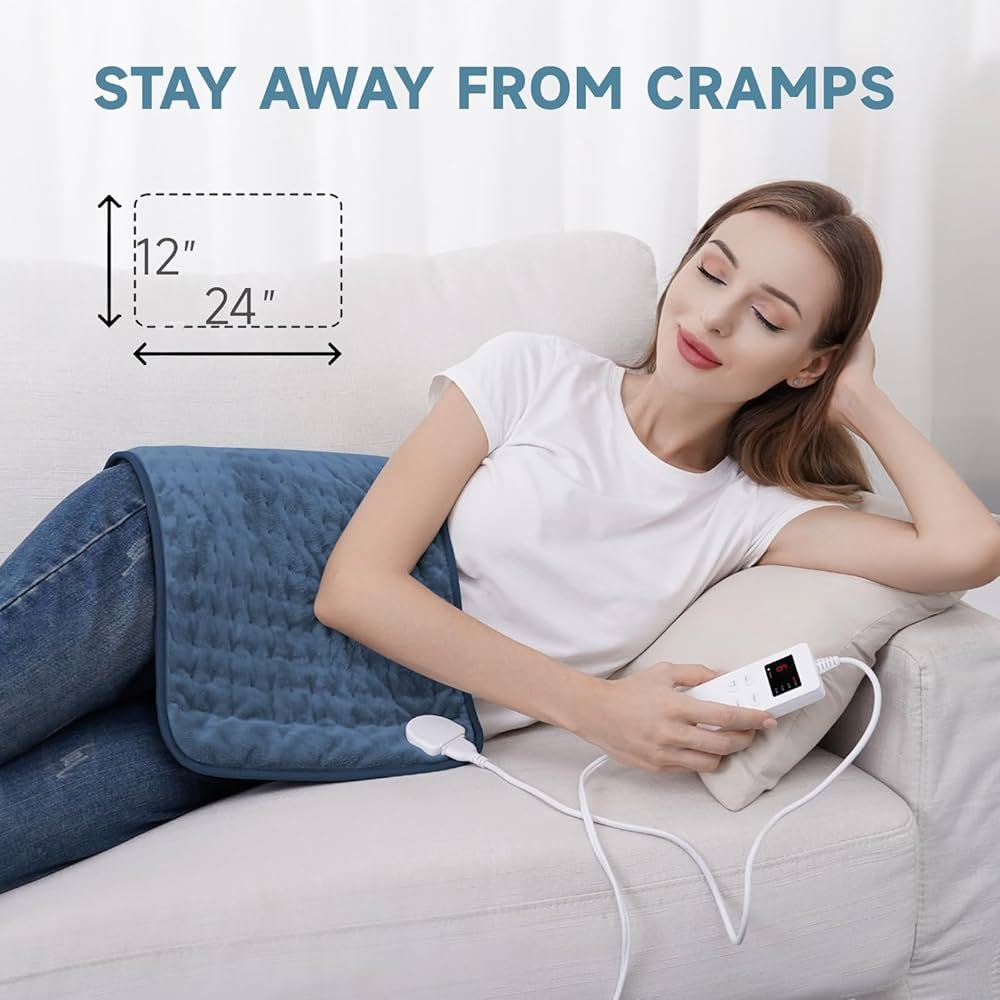
Nighttime pain can make it hard to fall asleep—or stay asleep.
When warmth temporarily eases discomfort, many people naturally think:
“Why not just leave it on all night?”
The idea makes sense emotionally. If heat helps pain, more heat should help more, right?
Unfortunately, that’s where problems can start.
Doctors generally agree that long-term overnight heat exposure carries risks, especially if you’re asleep and unable to react to overheating.
What Doctors Say About Sleeping With a Heating Pad
Most healthcare professionals recommend using heat before bedtime rather than during sleep.
Why?
Because when you’re asleep, you may not notice:
- Skin becoming irritated
- Heat building too much
- Burns starting to develop
- Excess sweating or dehydration
- Electrical problems with older heating pads
Many experts recommend this safer routine:
The 15–20 Minute Rule
Use a heating pad for 15–20 minutes before bed, then remove it before sleeping.
This approach allows muscles to relax without exposing your skin to prolonged heat.
For some people, even a short session before bed can significantly reduce nighttime discomfort.
The Real Risks of Sleeping With a Heating Pad Overnight
Here’s where things get important.
While heating pads can help lower back pain, sleeping on one all night may create problems you don’t immediately notice.
1. Burns and Skin Damage
The biggest concern is low-temperature burns.
Even if a heating pad doesn’t feel extremely hot, hours of contact with skin can still cause damage.
Mild Burns
Symptoms may include:
- Redness
- Tenderness
- Dry irritated skin
- Sensitivity
More Serious Burns
In some cases, prolonged heat exposure may cause:
- Blistering
- Skin discoloration
- Painful irritation
- Peeling skin
This becomes even more likely if the heating pad is directly touching the skin.
Always place a thin towel or cloth between the pad and your body.
2. Toasted Skin Syndrome (Yes, It’s a Real Thing)
Repeated heat exposure can sometimes lead to a condition called erythema ab igne, sometimes nicknamed “toasted skin syndrome.”
It may cause:
- Brown or reddish skin discoloration
- Net-like skin patterns
- Long-term skin changes
Although uncommon, doctors still caution against repeated overnight heat exposure for this reason.
3. Dehydration and Overheating
Heat naturally raises body temperature.
If a heating pad stays on for hours, mild dehydration may occur—especially if your room is already warm.
Signs of mild dehydration can include:
- Morning stiffness
- Muscle tightness
- Headaches
- Fatigue
Ironically, dehydration can sometimes make muscle soreness feel worse.
4. Electrical Safety Risks
Older heating pads can become unsafe over time.
Potential warning signs include:
- Frayed cords
- Burn marks
- Broken controls
- Inconsistent heating
- Strange smells
Never sleep with a damaged heating pad.
Modern heating pads with automatic shut-off features are much safer than older models.
Who Should NEVER Sleep With a Heating Pad?
Some people face a higher risk of burns or complications.
Doctors generally recommend avoiding overnight heat therapy if you have:
Diabetes
Nerve damage may reduce sensation, making it harder to notice burns.
Poor Circulation
Reduced blood flow can make skin more vulnerable to damage.
Neuropathy or Nerve Conditions
If you struggle to feel heat accurately, sleeping with a heating pad may be unsafe.
Skin Sensitivity Disorders
People with sensitive skin may react more easily to prolonged heat.
Pregnancy
Pregnant individuals should always check with a healthcare professional before using prolonged heat on the lower back.
When Heat Therapy Can Actually Make Back Pain Worse
This surprises a lot of people.
Heat is not always the best choice.
Sometimes heat can worsen discomfort—especially if inflammation is involved.
Heat may not be ideal if:
- You have a recent injury
- Your back feels swollen or inflamed
- Pain feels sharp or sudden
- You have a flare-up after physical strain
In these situations, cold therapy may sometimes work better.
You may want to read Is Heat or Ice Better for Lower Back Pain? (When to Use Each for Faster Relief) to understand when heat actually helps—and when it doesn’t.
Safer Ways to Relieve Lower Back Pain Before Bed
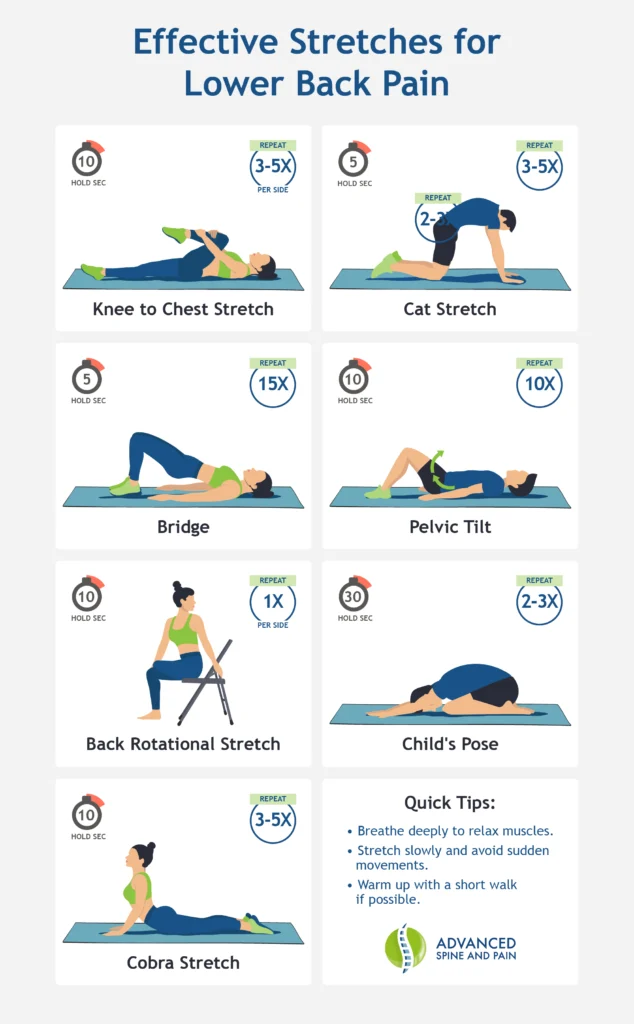
If back pain keeps you awake, there are safer alternatives than sleeping with a heating pad all night.
1. Use Heat Before Bed
Apply a heating pad for 15–20 minutes before sleep.
This helps relax muscles while reducing safety risks.
2. Stretch Gently Before Bed
A few minutes of light stretching may reduce tension.
Helpful stretches include:
- Knee-to-chest stretch
- Child’s pose
- Pelvic tilts
- Gentle hamstring stretch
Avoid aggressive stretching if pain worsens.
3. Improve Your Sleeping Position
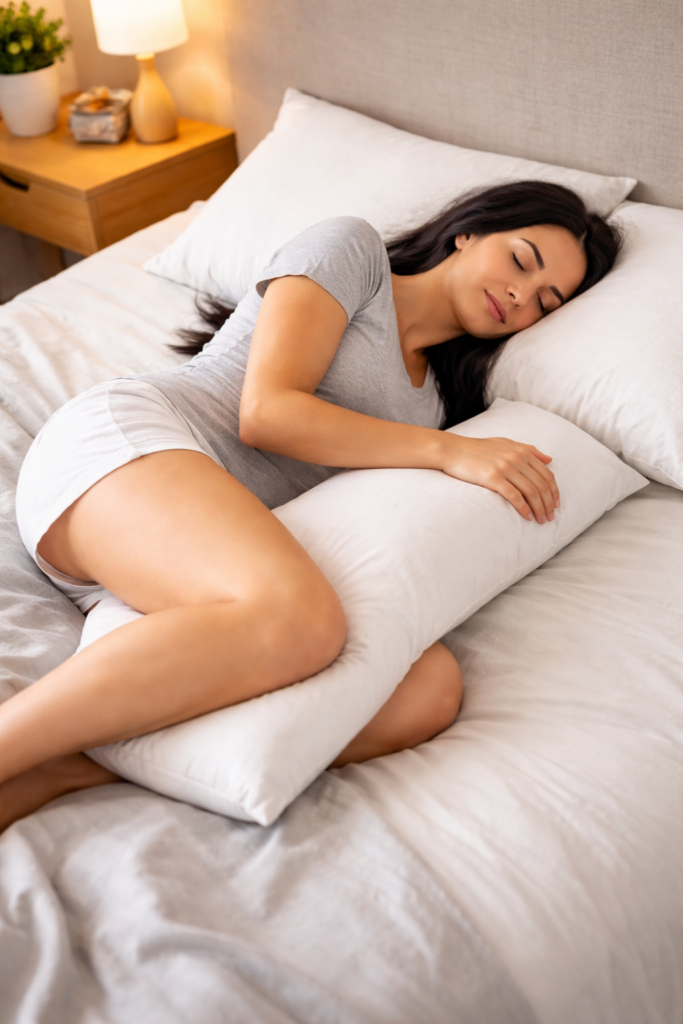
Poor sleep posture can make back pain worse.
Many people feel better when they:
Sleep on Their Back
Place a pillow under the knees.
Sleep on Their Side
Place a pillow between the knees.
These positions may reduce spinal pressure overnight.
You may also want to explore our guide to Best Sleeping Positions for Lower Back Pain.
4. Use Better Support
If you’re unsure how long heat therapy should last, our guide on How Long Should You Leave a Heating Pad on Your Back? explains safe timing in more detail.
Sometimes the problem is not your back—it’s your sleep setup.
Things that may help include:
- Supportive mattress toppers
- Lumbar support pillows
- Body pillows for side sleepers
- Medium-firm mattresses
A Simple 10-Minute Bedtime Routine for Lower Back Pain
Here’s a safe nightly routine many people find helpful:
Step 1: Gentle Stretching (2–3 minutes)
Loosen tight hips and lower back muscles.
Step 2: Heating Pad Session (15–20 minutes)
Use low or medium heat while awake.
Step 3: Hydrate
Drink water before bed.
Step 4: Sleep Position Setup
Add knee or leg support pillows.
Step 5: Turn Off the Heating Pad
Remove heat completely before falling asleep.
Frequently Asked Questions
Is it bad to sleep with a heating pad every night?
Doctors generally recommend avoiding overnight heating pad use. Short heat sessions before bed are considered safer.
Can a heating pad burn you while sleeping?
Yes. Even low heat can cause burns if left on the skin for too long.
What temperature should a heating pad be for back pain?
Most people should start with low or medium heat, especially when using it near bedtime.
Is it safer to use a heating pad with auto shut-off?
Yes. Heating pads with automatic shut-off features reduce safety risks.
Is heat or ice better before sleep?
It depends on the cause of your pain. Heat may help muscle tightness, while ice may be better for inflammation.
Final Verdict: Safe or Dangerous?
Sleeping with a heating pad for lower back pain is not usually recommended by doctors, especially overnight.
That doesn’t mean heat therapy is bad.
In fact, heating pads can be extremely helpful when used correctly.
The safest approach is simple:
Use heat for 15–20 minutes before bed, remove it before sleep, and combine it with good posture, stretching, and proper support.
For many people, this provides relief without the risks that come from sleeping on active heat all night.
Disclaimer
This article is for educational purposes only and should not be considered medical advice. Always speak with a qualified healthcare professional regarding persistent back pain, worsening symptoms, or questions about treatment options.