Lower back pain can show up suddenly — after lifting something heavy, sitting too long, or waking up stiff in the morning. When it happens, many people ask the same question:
Should I use heat or ice for lower back pain?
Both treatments can help, but they work in different ways. Doctors often recommend choosing the therapy based on the type of pain you’re experiencing.
Understanding when to use heat or ice can help you reduce inflammation, relax tight muscles, and recover faster. In this guide, we’ll explain what medical professionals recommend and how to safely apply both treatments at home.
Understanding Why Your Lower Back Hurts
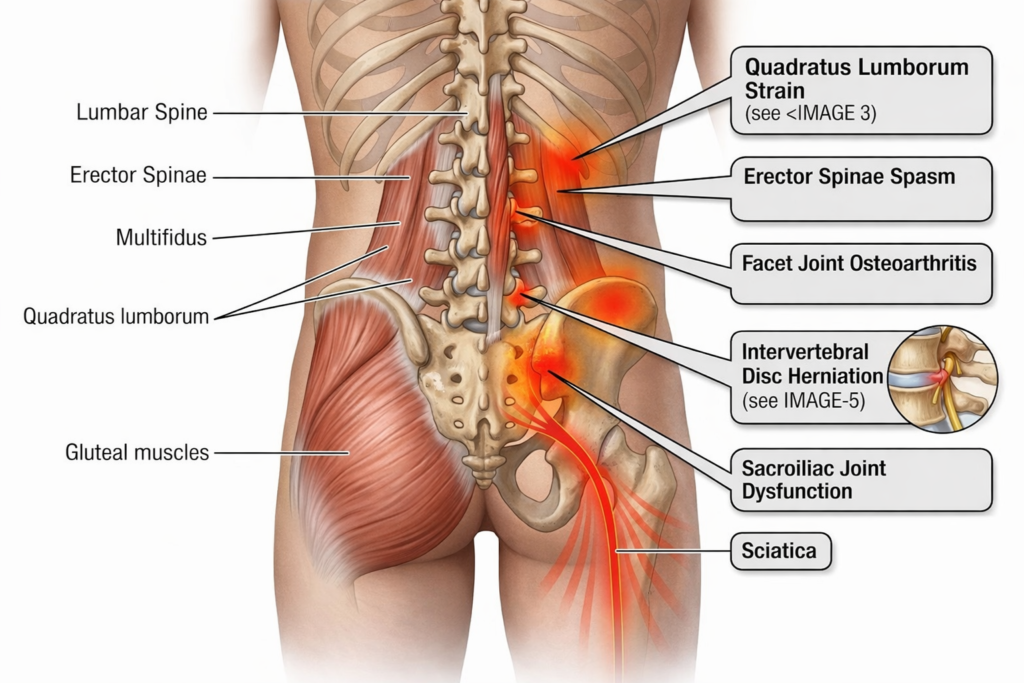
Your lower back is a complex structure made up of muscles, discs, ligaments, and nerves. When any of these structures become irritated or strained, pain can develop.
Common causes of lower back pain include:
- Muscle strain from lifting or twisting
- Poor posture from prolonged sitting
- Herniated or bulging discs
- Sciatica or nerve irritation
- Lack of movement or tight muscles
Many people also experience discomfort after waking up due to sleep position or spinal stiffness. If that happens regularly, you may want to explore possible causes and solutions in this guide:
Morning lower back pain causes and fixes
Understanding the type of pain you’re experiencing helps determine whether heat or ice therapy will work best.
The Difference Between Acute and Chronic Back Pain
Doctors usually classify back pain into two categories.
Acute Back Pain
Acute pain appears suddenly and usually lasts a few days to a few weeks. It’s commonly caused by:
- muscle strains
- sudden movements
- lifting injuries
- sports activity
Because inflammation is often involved, cold therapy is typically recommended first.
Chronic Back Pain
Chronic pain lasts longer than 12 weeks and may result from:
- long-term posture problems
- degenerative spinal changes
- persistent muscle tightness
- sedentary lifestyle
For chronic stiffness or muscle tightness, heat therapy often provides the most relief.
Ice Therapy: When Cold Treatment Works Best
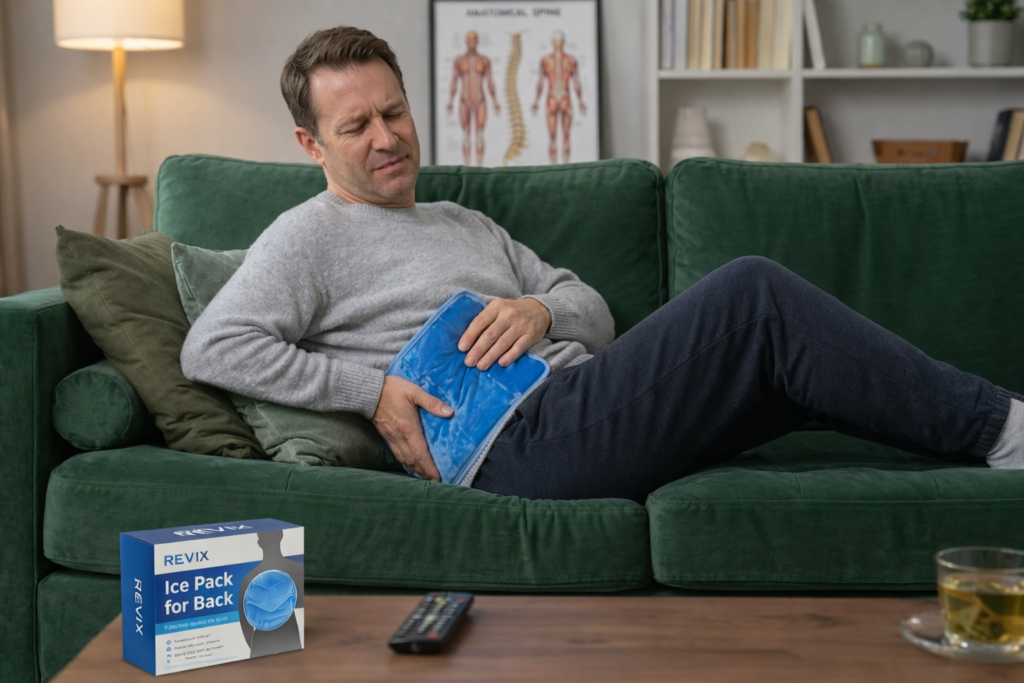
Ice therapy is one of the most effective treatments for new injuries or inflammation.
Cold temperatures cause blood vessels to constrict. This helps reduce swelling and temporarily numb pain signals in the affected area.
Because of this, doctors usually recommend ice during the early stages of back pain.
Benefits of Ice Therapy
Ice therapy can help:
- reduce inflammation
- numb sharp pain
- prevent swelling
- calm irritated tissues
Best Situations to Use Ice
Ice works best for:
- new back injuries
- sudden muscle strain
- swelling after physical activity
- inflammation after lifting or twisting
Apply ice for 15–20 minutes at a time, several times per day during the first 48 hours after injury.
Always wrap the ice pack in a towel to protect your skin.
Heat Therapy: When Warmth Works Better
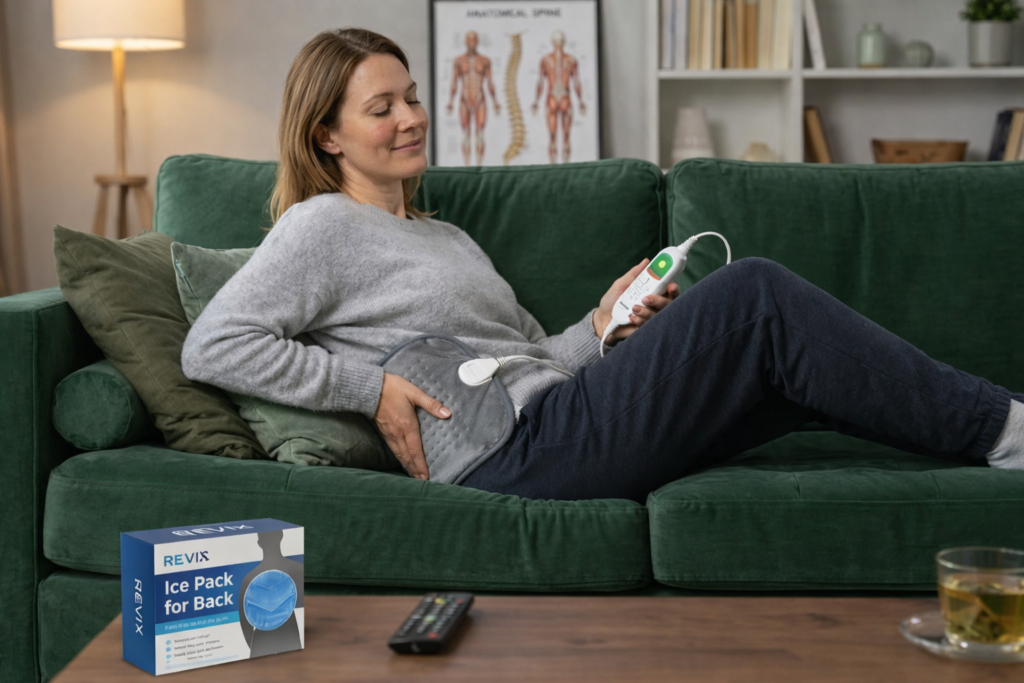
Heat therapy is ideal for muscle tension, stiffness, and chronic back pain.
Heat improves blood circulation in the affected area, which helps deliver oxygen and nutrients to tight muscles.
This process can:
- relax muscle spasms
- reduce stiffness
- increase flexibility
- improve mobility
When Heat Therapy Is Most Helpful
Heat is typically recommended for:
- ongoing muscle tightness
- chronic lower back pain
- stiffness after sitting long periods
- preparing muscles before stretching
Many people also find heating pads helpful during recovery. If you use one regularly, this guide explains safe usage time:
How long should you leave a heating pad on your back
Ways to Apply Heat
Common heat therapy methods include:
- heating pads
- warm baths or showers
- microwave heat packs
- adhesive heat wraps
Apply heat for 15–20 minutes at a time for best results.
The 48-Hour Rule Doctors Often Recommend
Many medical professionals follow a simple guideline called the 48-hour rule.
First 48 hours after injury → Use Ice
Ice reduces inflammation and swelling immediately after an injury.
After 48 hours → Use Heat
Once swelling decreases, heat helps loosen muscles and restore circulation.
This approach allows the body to move from inflammation control to muscle recovery.
Contrast Therapy: Alternating Heat and Ice
In some cases, alternating heat and ice — known as contrast therapy — may provide additional relief.
This method works by stimulating circulation while also controlling inflammation.
How to Try Contrast Therapy
- Apply ice for 15 minutes
- Remove for 10 minutes
- Apply heat for 15 minutes
- Repeat if needed
Contrast therapy can be especially helpful for:
- lingering muscle soreness
- stiffness after activity
- mild flare-ups of chronic pain
How to Safely Apply Heat or Ice
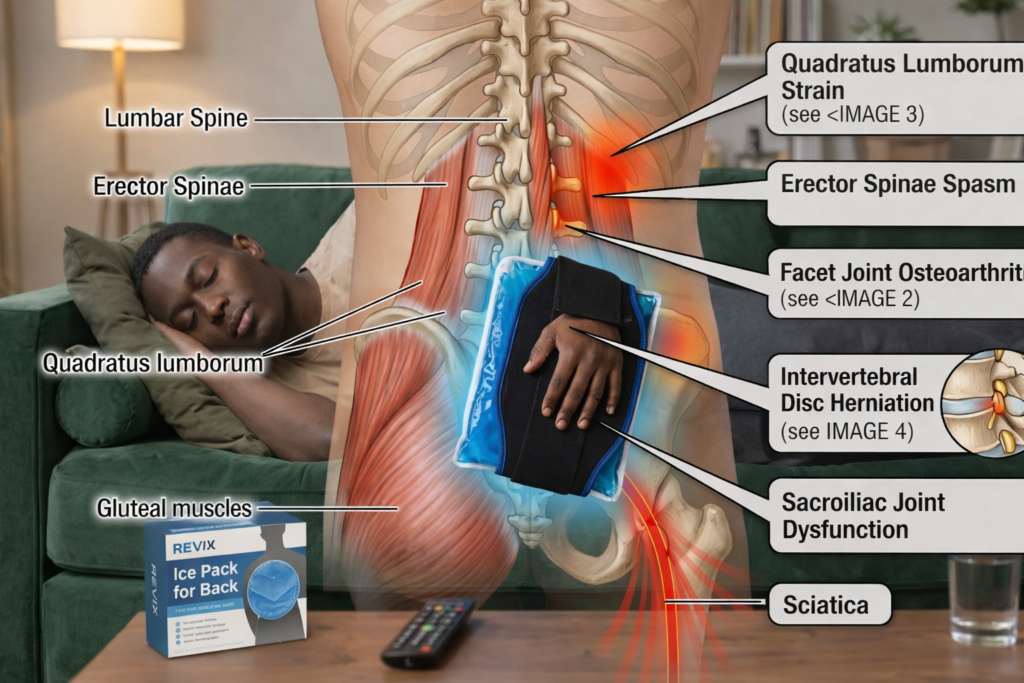
Using temperature therapy correctly helps maximize relief and prevent injury.
Safe Ice Therapy Tips
- Wrap ice packs in a towel
- Limit sessions to 15–20 minutes
- Wait at least 30 minutes between applications
- Avoid placing ice directly on skin
Safe Heat Therapy Tips
- Use moderate heat, not extreme temperatures
- Limit sessions to 20 minutes
- Avoid falling asleep on heating pads
- Stop if skin becomes irritated
Common Mistakes That Can Make Back Pain Worse
Even helpful treatments can become harmful if used incorrectly.
Here are some common mistakes to avoid.
Leaving Ice or Heat on Too Long
Extended exposure can damage skin or worsen inflammation.
Stick to the 20-minute rule whenever possible.
Using the Wrong Therapy
Applying heat to an inflamed injury can increase swelling, while ice may worsen stiffness in chronic pain.
Use the right therapy for the right situation.
Ignoring Persistent Pain
If pain lasts longer than a few weeks or worsens, consult a medical professional.
If symptoms continue, additional support tools and recovery strategies may help. You can explore recommended solutions here:
Best back pain relief products
When to Seek Medical Attention
While most lower back pain improves with home treatment, certain symptoms require medical evaluation.
Seek professional help if you experience:
- numbness or tingling in the legs
- weakness in the legs
- loss of bladder or bowel control
- severe or worsening pain
- pain lasting longer than 4–6 weeks
These symptoms may indicate nerve compression or other serious conditions.
Conclusion
Choosing between heat or ice for lower back pain becomes much easier when you understand the type of pain you’re dealing with.
In general:
- Ice works best for new injuries and inflammation
- Heat works best for muscle stiffness and chronic pain
Following the 48-hour rule and applying temperature therapy safely can help reduce discomfort and support faster recovery.
Small lifestyle changes — including better posture, regular movement, and proper sleep support — can also make a big difference in long-term back health.
Disclaimer
“This article is for informational purposes only and should not replace professional medical, financial, or technical advice.”