If you’re trying to relieve lower back pain at home, you’ve probably wondered whether a heating pad or an ice pack is the better choice. Both are commonly used for pain relief, but they work differently and are most effective in different situations.
Rather than asking which one is always better, the more helpful question is: Which one is right for your type of back pain?
This guide compares heating pads and ice packs, explains when to use each, and offers practical tips for using them safely.
How a Heating Pad Works
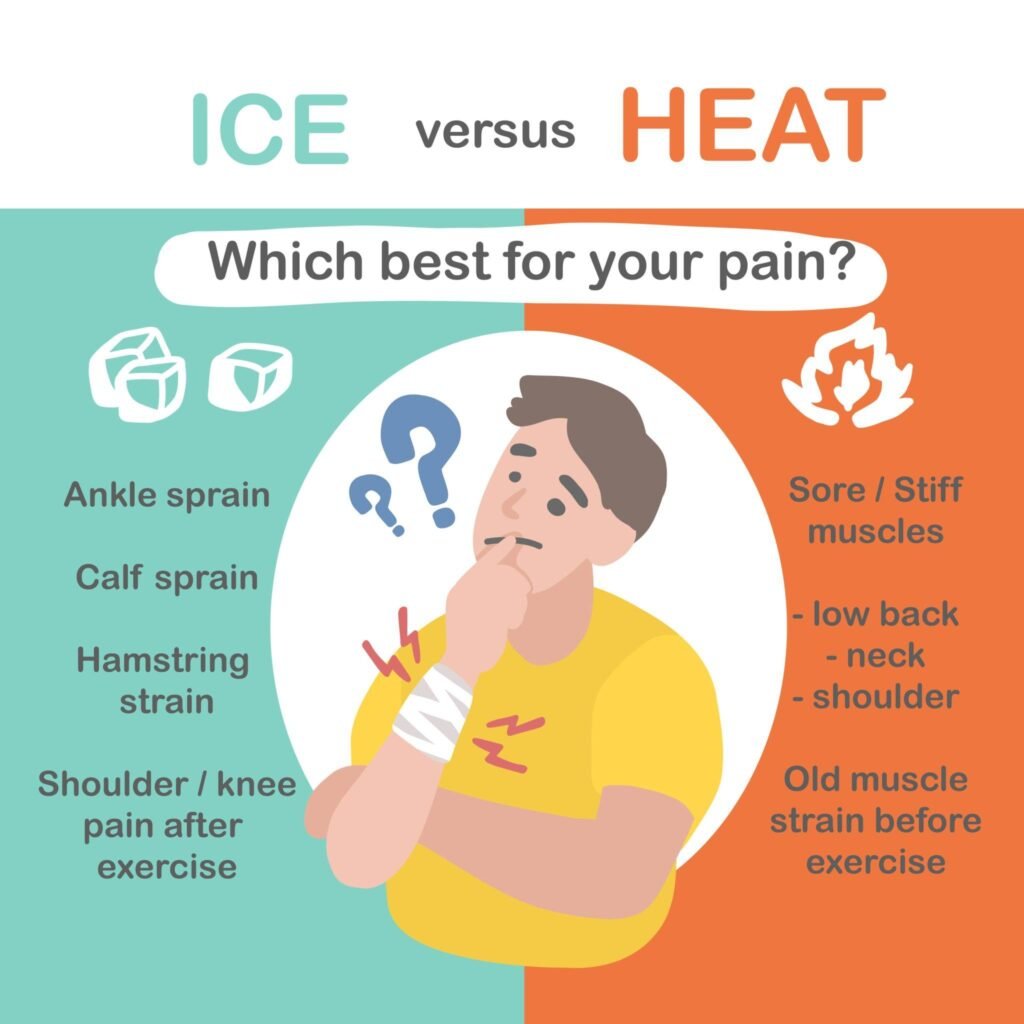
A heating pad delivers gentle warmth to sore muscles and tissues. Heat increases blood flow, which may help muscles relax and temporarily ease stiffness.
A heating pad may be helpful if you have:
- Muscle tightness
- Chronic lower back pain
- Morning stiffness
- Soreness after a long day
- Muscle spasms
Benefits of a Heating Pad
- Helps relax tense muscles
- May improve flexibility
- Easy to use at home
- Available in electric, microwavable, and disposable versions
How an Ice Pack Works
Ice packs cool the affected area and are commonly used soon after an injury. Cold therapy may help reduce swelling and temporarily numb painful tissues.
Ice packs may be useful for:
- Recent strains
- Swelling
- Inflammation
- Sharp pain after physical activity
Benefits of an Ice Pack
- Helps reduce inflammation
- May decrease swelling
- Portable and reusable
- Simple to apply
Heating Pad vs Ice Pack Comparison
| Feature | Heating Pad | Ice Pack |
|---|---|---|
| Best for chronic stiffness | ✅ | ❌ |
| Best for new injuries | ❌ | ✅ |
| Helps relax muscles | ✅ | ❌ |
| Helps reduce swelling | ❌ | ✅ |
| Portable | Some models | Most models |
| Reusable | Most models | Most models |
Which One Should You Choose?
Choose a Heating Pad If:
- Your back feels tight or stiff.
- Your pain has been present for several days or longer.
- Your muscles feel sore after sitting or sleeping.
Choose an Ice Pack If:
- You recently injured your back.
- Your back is swollen or inflamed.
- The pain began suddenly after lifting or exercise.
Can You Use Both?
Yes. Many people use both therapies during recovery.
A common approach is:
- First 24–48 hours: Ice
- After swelling decreases: Heat
The right approach depends on the cause of your pain.
For a detailed explanation of when to choose heat or ice, read:
Heat vs Ice for Back Pain: What Actually Works Best?
Safety Tips
Whether you choose a heating pad or an ice pack:
- Limit sessions to about 15–20 minutes.
- Place a towel between your skin and the heat or cold source.
- Check your skin regularly.
- Avoid falling asleep while using a heating pad unless it is specifically designed with automatic shutoff and you follow the manufacturer’s instructions.
If you use a heating pad often, you may also find this guide helpful:
Is It Bad to Use a Heating Pad Every Day for Back Pain?
Other Ways to Support Lower Back Pain Relief
Heat and cold therapy work best alongside healthy habits.
Consider:
- Daily stretching
- Walking regularly
- Improving your posture
- Sleeping in a supportive position
- Taking movement breaks during long periods of sitting
Learn more here:
Best Daily Habits to Reduce Back Pain Naturally
Frequently Asked Questions
Is a heating pad better than an ice pack?
Neither is always better. A heating pad is generally more helpful for muscle tightness and chronic stiffness, while an ice pack is often preferred for new injuries and swelling.
Can I alternate heat and ice?
Some people find alternating heat and ice helpful after the initial injury phase. The best approach depends on the cause of your back pain.
How long should I use a heating pad or ice pack?
Short sessions of around 15–20 minutes are commonly recommended. Follow the instructions provided with your product and consult a healthcare professional if you’re unsure.
When should I seek medical care?
Seek prompt medical attention if your back pain follows a serious injury, causes numbness or weakness, affects bladder or bowel control, or continues to worsen.
Final Thoughts
Heating pads and ice packs are both useful tools for managing lower back pain at home. The best choice depends on whether you’re dealing with a recent injury or ongoing muscle stiffness.
Understanding how each therapy works can help you choose the most appropriate option and use it safely as part of a broader recovery plan.
Related Articles
Heat vs Ice for Back Pain: What Actually Works Best?
Best Daily Habits to Reduce Back Pain Naturally
Is It Bad to Use a Heating Pad Every Day for Back Pain?
Medical Disclaimer
PathwayToRelief.com provides educational information only and is not a substitute for professional medical advice, diagnosis, or treatment. Always consult a qualified healthcare professional before making decisions about your health or treatment.