Ever felt like your body suddenly feels older just from sitting too long?
It might seem strange that something as simple as sitting can cause so much discomfort. Yet millions of people experience lower back pain every day because of it. In fact, about 8 out of 10 adults will experience lower back pain at some point in their lives.
Lower back pain after sitting usually happens because of poor posture, muscle stiffness, and lack of movement, which places extra pressure on the spine.
The good news is that relief doesn’t require expensive treatments or complicated routines. Small daily adjustments can quickly reduce pain and improve your back health.
Key Takeaways
- Maintain an ergonomic sitting posture to reduce spinal pressure
- Take movement breaks every 30 minutes
- Stay hydrated to support spinal disc health
- Use lumbar support for better posture
- Stretch tight hip muscles daily
- Improve sleep position for better spinal recovery
Understanding the Connection Between Sitting and Lower Back Pain
Sitting for long periods can place significant stress on your spine. Your spine contains 33 vertebrae, discs, joints, and muscles that work together to support movement and posture.
However, modern lifestyles involve hours of sitting — at desks, in cars, or on couches.
Over time this can lead to:
- Increased pressure on spinal discs
- Weak core and back muscles
- Reduced mobility and flexibility
When the spine doesn’t move enough, muscles stiffen and spinal discs compress, which can lead to pain.
How Modern Sitting Habits Affect Your Spine
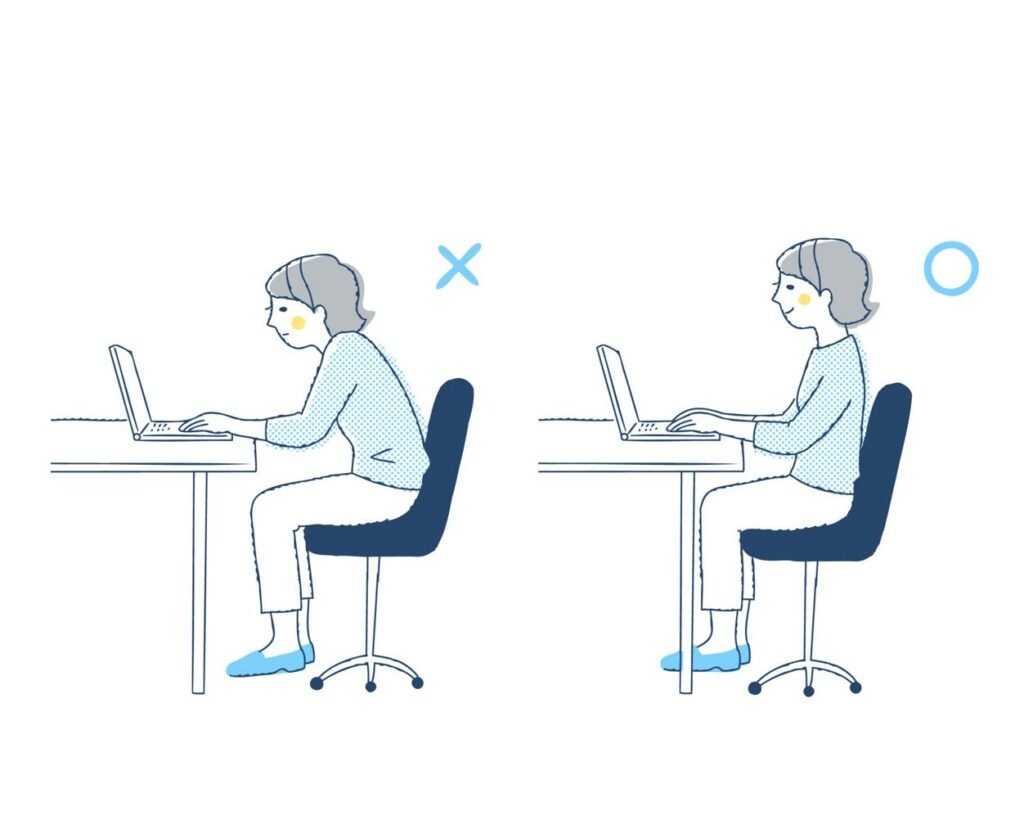
Modern sitting habits can slowly damage spinal health.
When posture is poor, body weight becomes unevenly distributed across the spine. This increases stress on spinal discs and muscles.
Common effects include:
- Disc compression
- Muscle fatigue
- Joint stiffness
If your pain gets worse after sitting, you may also want to read why sitting can worsen back pain and how to fix it quickly.
The Physical Changes That Occur During Prolonged Sitting
When you sit for long periods, the discs between your vertebrae slowly compress.
This causes:
- Reduced flexibility
- Increased stiffness
- Lower circulation in muscles
Over time, this can also lead to muscle imbalances where some muscles tighten while others weaken.
The Main Causes of Lower Back Pain After Sitting
Poor Posture and Spinal Alignment
Poor posture is one of the biggest causes of lower back pain.
Slouching or leaning forward forces your lower back muscles to work harder to support your spine.
Good posture helps distribute your body weight evenly across the spine.
If you spend long hours at a desk, learning how to sit without lower back pain while working can significantly reduce daily strain.
Muscle Weakness and Tension
Weak core muscles often contribute to back pain.
Your core muscles help stabilize the spine. When they are weak, the lower back muscles compensate and become overworked.
| Muscle Group | Function | Impact of Weakness |
|---|---|---|
| Core Muscles | Support spine posture | Increased back strain |
| Back Extensors | Maintain spinal stability | Poor posture |
| Abdominal Muscles | Stabilize torso | Lower back pressure |
Reduced Blood Flow and Stiffness
Sitting too long reduces circulation to spinal joints and muscles.
This lack of blood flow can cause:
- Muscle stiffness
- Reduced flexibility
- Increased discomfort
Taking regular movement breaks can significantly improve circulation.
Simple Posture Adjustments That Provide Immediate Relief
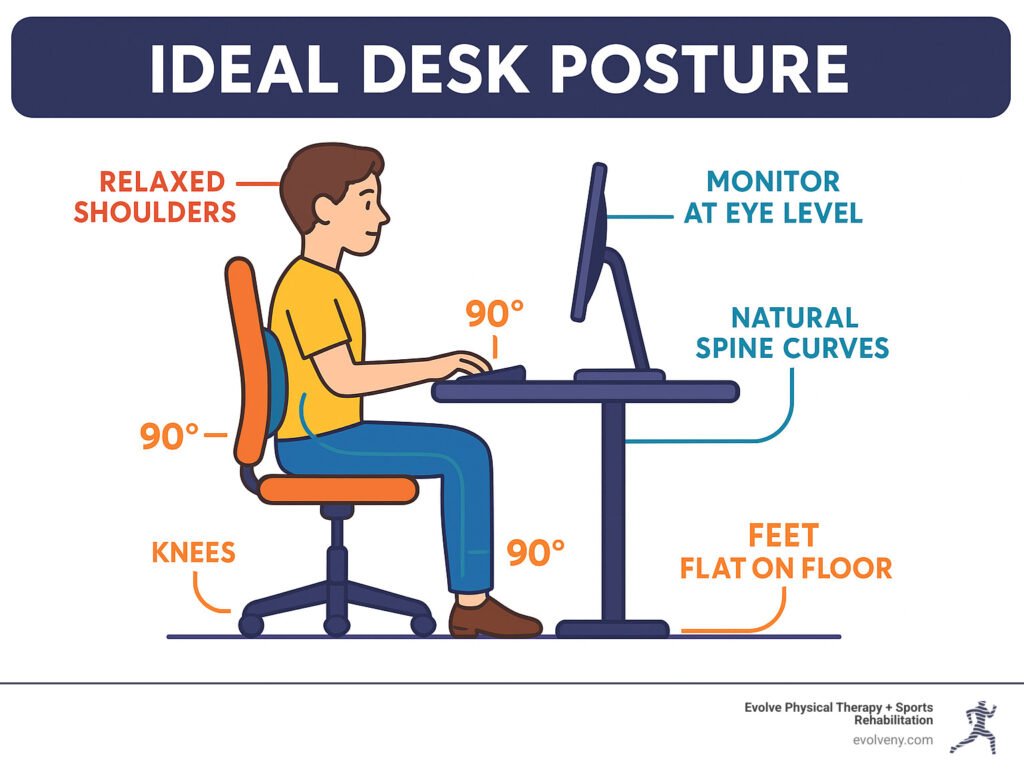
Small posture changes can reduce pressure on your spine.
Proper Sitting Position
- Keep feet flat on the floor
- Maintain a 90-degree knee angle
- Sit with your back against the chair
- Keep shoulders relaxed
Maintain the Natural Curve of Your Spine
Using lumbar support helps maintain the natural curve of your lower back and prevents slouching.
Adjust Your Workspace
A properly set workspace can prevent strain.
Make sure:
- Monitor is at eye level
- Keyboard is positioned comfortably
- Chair height allows feet to stay flat
Many people also find relief using heat therapy, so it helps to understand how often you should use a heating pad for back pain safely.
Quick Stretches That Relieve Lower Back Pain Fast
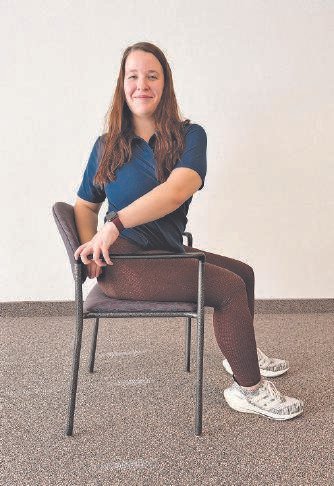
Gentle stretching helps loosen tight muscles and restore spinal movement.
Seated Spinal Twist
- Sit upright in a chair
- Twist your torso slowly to one side
- Hold for 20 seconds
- Repeat on the other side
Hip Flexor Stretch
Tight hip flexors can pull on the lower back. Stretching them reduces pressure on the spine.
Cat-Cow Stretch
This gentle movement improves spinal flexibility.
Repeat slowly for 5–10 repetitions.
Child’s Pose
This stretch relaxes the lower back and hips.
Hold for 30–60 seconds while breathing deeply.
Movement Breaks That Prevent Back Pain
One of the best ways to protect your spine is following the 30-minute movement rule.
Stand up or move every 30 minutes.
Examples include:
- Walking around the room
- Stretching arms overhead
- Gentle torso twists
Simple desk exercises include:
| Exercise | Benefit |
|---|---|
| Standing Back Extensions | Improves posture |
| Glute Squeezes | Supports spine stability |
| Seated Leg Raises | Improves circulation |
Even short walking breaks can help reduce spinal stress.
Daily Habits That Support Long-Term Back Health
Stay Hydrated
Spinal discs need water to stay flexible and absorb shock.
Drink at least 8 glasses of water daily.
Improve Sleep Position
Good sleep posture helps your spine recover overnight.
Best sleeping positions:
- Back sleeping with pillow under knees
- Side sleeping with pillow between knees
Avoid sleeping on your stomach.
Strengthen Core Muscles
Core exercises such as:
- Planks
- Bridges
- Pelvic tilts
can provide better support for your spine.
Conclusion
Lower back pain after sitting is extremely common, but it’s also highly preventable.
By improving posture, adding movement breaks, stretching regularly, and strengthening your core, you can significantly reduce pain and improve spinal health.
Small daily changes can make a big difference in how your body feels.
Taking care of your spine today helps protect your mobility and comfort for years to come.
Medical Disclaimer
This article is for informational purposes only and does not replace professional medical advice. Always consult a qualified healthcare provider before starting new exercises or treatments for back pain.