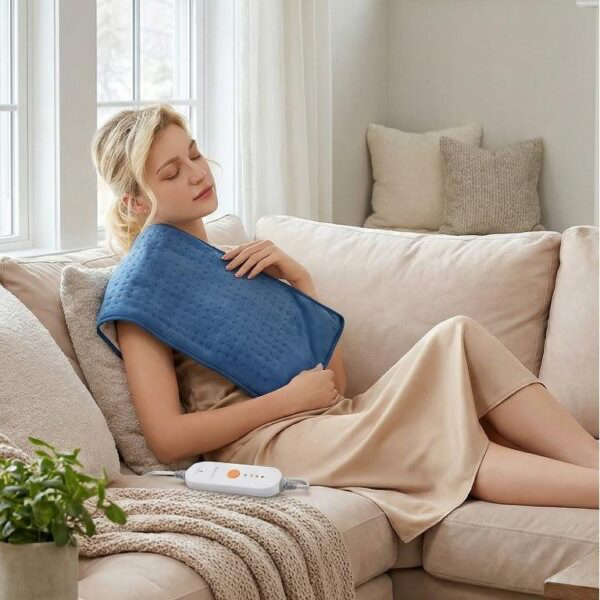
Wondering whether to use a heating pad before or after stretching? Learn when heat may help prepare tight muscles, when to stretch first, and how to safely combine both for lower back pain relief.
If you’re trying to relieve lower back pain naturally, you’ve probably wondered whether it’s better to use a heating pad before stretching or after stretching.
The answer depends on why your back hurts and what you’re trying to accomplish.
For many people with muscle tightness and chronic stiffness, applying gentle heat before stretching may help muscles relax and make movement more comfortable. In other situations, stretching first or using heat afterward may be more appropriate.
This guide explains how to safely combine heat therapy and stretching to support a healthier back.
Why Heat and Stretching Work Well Together
Heat and stretching serve different purposes.
Heat may help:
- Relax tight muscles
- Increase blood circulation
- Improve flexibility
- Reduce stiffness
Stretching may help:
- Improve mobility
- Reduce muscle tightness
- Maintain flexibility
- Improve posture
When used together, they may complement one another.
Should You Use Heat Before Stretching?
For many people experiencing muscle stiffness, using gentle heat before stretching may help muscles feel more relaxed.
Benefits may include:
- Easier movement
- Improved flexibility
- Less muscle tightness
- More comfortable stretching
Many people choose to apply heat for approximately 15–20 minutes before beginning gentle stretches.
Always follow your heating pad manufacturer’s instructions.
When Stretching First May Make Sense
Sometimes stretching before heat may be appropriate.
For example:
- After a short period of sitting.
- During light movement breaks.
- When muscles aren’t especially tight.
Gentle movement alone is often enough to warm the muscles.
Is Heat Helpful After Stretching?
Some people also enjoy using gentle heat after stretching.
Heat may provide temporary comfort by helping muscles remain relaxed after activity.
If stretching causes new pain, swelling, or a recent injury is involved, speak with a healthcare professional before continuing heat therapy.
Best Stretches to Combine With Heat
After warming the muscles, you might try gentle stretches such as:
- Child’s Pose
- Cat-Cow
- Knee-to-Chest Stretch
- Hip Flexor Stretch
- Standing Hamstring Stretch
Move slowly and avoid forcing any stretch.
When You Should NOT Use Heat First
Heat isn’t always the best choice.
Avoid using heat first if:
- You have a new injury.
- The area is swollen.
- Your back feels warm or inflamed.
- The pain began suddenly after lifting.
Cold therapy may be more appropriate during the first 24–48 hours after an injury.
Read:
Heat vs Ice for Back Pain: What Actually Works Best?
Combine Heat With Healthy Habits
Stretching works even better when combined with:
- Walking regularly
- Improving posture
- Strengthening your core
- Taking movement breaks
- Sleeping in supportive positions
Learn more here:
Best Daily Habits to Reduce Back Pain Naturally
If your pain is related to prolonged sitting:
Lower Back Pain from Sitting Too Long? Here’s How to Fix It Fast
Common Mistakes
Avoid these common mistakes:
- Stretching aggressively without warming tight muscles.
- Using very high heat.
- Applying heat to a swollen injury.
- Holding painful stretches.
- Skipping movement between heat sessions.
Frequently Asked Questions
Should I always use heat before stretching?
Not necessarily. Many people with muscle tightness find heat helpful before stretching, while others may benefit from gentle movement first. The best approach depends on the cause of your back pain.
How long should I use a heating pad before stretching?
Many manufacturers recommend sessions of approximately 15–20 minutes. Always follow the instructions provided with your heating pad.
Can stretching replace a heating pad?
Stretching and heat serve different purposes. Many people use them together as part of a broader back care routine.
What if stretching makes my pain worse?
Stop the activity and consult a healthcare professional, especially if the pain is severe, persistent, or follows an injury.
Final Thoughts
Using a heating pad before stretching may help relax tight muscles and make gentle movement more comfortable for many people with chronic lower back stiffness.
Rather than relying on heat alone, combining it with stretching, regular movement, and healthy posture habits may provide better long-term results.
Related Articles
How Many Times a Day Can You Use a Heating Pad for Back Pain?
Can a Heating Pad Make Back Pain Worse?
Heat vs Ice for Back Pain: What Actually Works Best?
Best Daily Habits to Reduce Back Pain Naturally
Medical Disclaimer
PathwayToRelief.com provides educational information for general wellness purposes only and is not intended to replace professional medical advice, diagnosis, or treatment. Always consult a qualified healthcare provider regarding any medical condition or before starting a new treatment, exercise program, or pain management routine.
Seek immediate medical attention if you experience severe back pain after a traumatic injury, sudden numbness or weakness, loss of bladder or bowel control, fever with back pain, or any other symptoms that could indicate a serious medical condition.